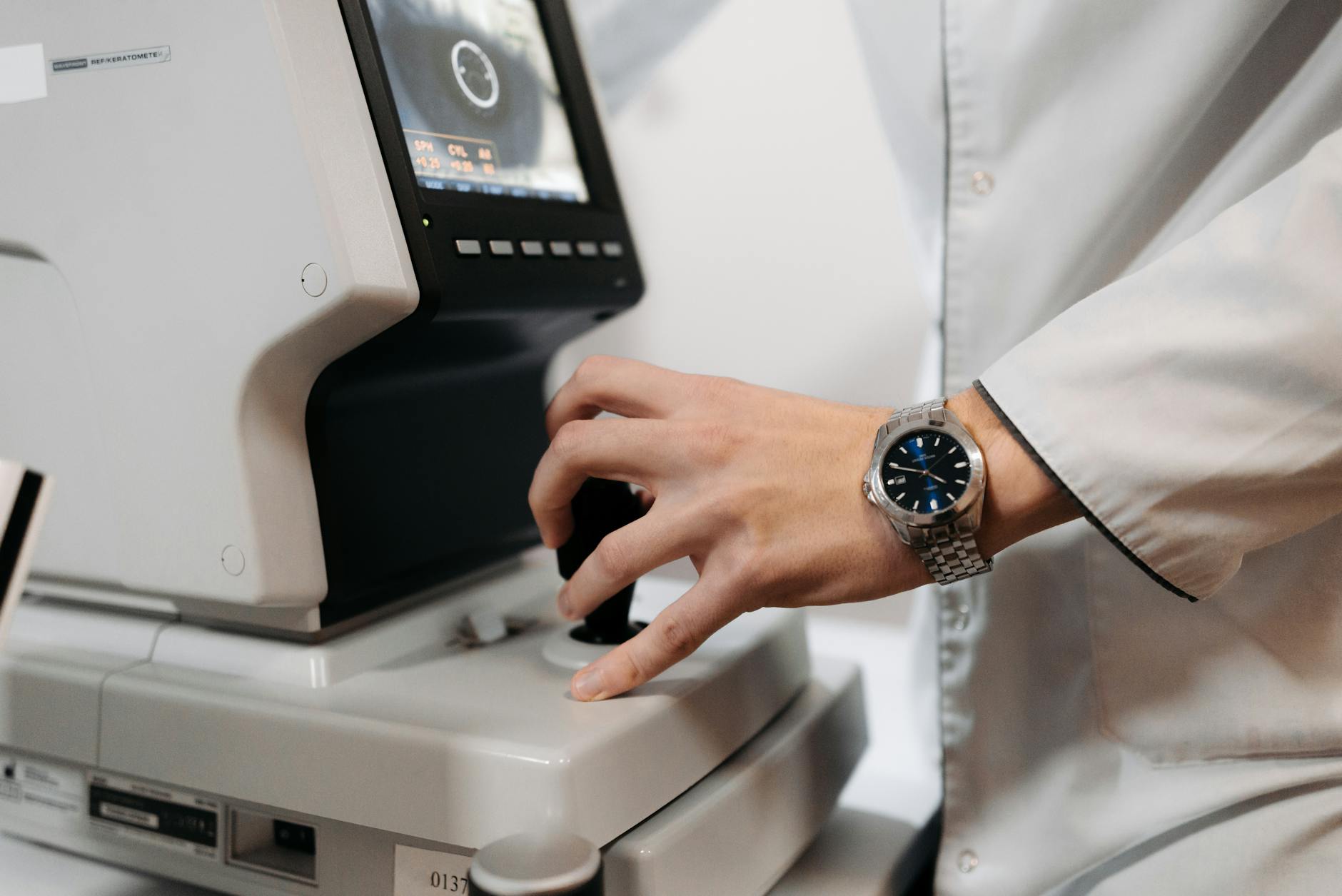
Almost everyone experiences an involuntary eyelid twitch at some point, and for most people it’s a temporary nuisance rather than a serious concern. Understanding why does my eye twitch is a question millions of people search each year, often during a frustrating bout of persistent fluttering. The good news is that the most common triggers are everyday habits you can actually change.
1. Stress and Anxiety
Stress is one of the most widely recognized triggers for eyelid twitching. When your body is under mental or emotional pressure, your nervous system can fire small, involuntary muscle contractions around the eye. Research suggests that eyelid myokymia is closely associated with stress and anxiety, and the twitching often resolves once stress levels drop. If you notice your eye fluttering during high-pressure periods, try short breathing exercises or a five-minute walk. Even brief relaxation breaks can calm overactive nerve signals. Chronic stress may keep the twitch going for days or weeks, so building a consistent stress-management routine is worth the effort. Yoga, meditation, and journaling are all simple starting points.
2. Too Much Caffeine
Your morning coffee habit could be behind that annoying flutter. Caffeine is a stimulant that increases nerve excitability throughout the body, including the tiny muscles controlling your eyelids. According to the Cleveland Clinic, caffeine is one of the most commonly reported triggers for eye twitching. If you drink more than two or three cups of coffee a day, try cutting back gradually over a week. Pay attention to hidden caffeine sources like energy drinks, chocolate, and certain teas. Many people notice their twitching stops within a few days of reducing their intake. Keeping a caffeine log can help you identify your personal threshold.
3. Sleep Deprivation
Running on too little sleep puts stress on your entire nervous system. Fatigued muscles are more prone to involuntary spasms, and the delicate eyelid muscles are especially sensitive. Clinical evidence shows that lack of sleep is a well-established precipitant of benign eyelid myokymia. Most adults need seven to nine hours of quality sleep each night. If twitching flares up during a stretch of poor rest, that connection is likely not a coincidence. Prioritizing a consistent bedtime and limiting screen exposure before sleep can make a meaningful difference. Even one or two extra hours of rest may quiet the spasm.
4. Dry Eyes
Dry, irritated eyes can trigger reflexive twitching as the eyelid muscles work overtime. This is especially common in adults over 50, contact lens wearers, and people who spend long hours in air-conditioned spaces. The National Eye Institute notes that dry eye is a frequent contributor to benign eyelid twitching. Lubricating eye drops, often called artificial tears, can soothe irritation and reduce spasms. Staying hydrated and using a humidifier in dry environments also helps. If over-the-counter drops don’t bring relief after a couple of weeks, an eye care professional can evaluate you for underlying dry eye disease.
5. Excessive Screen Time
Staring at a computer, phone, or tablet for extended periods can strain the muscles around your eyes. Digital eye strain reduces your blink rate, which dries out the eye surface and increases the chance of twitching. Studies indicate that screen-related fatigue is a growing contributor to eyelid myokymia, particularly among office workers and students. The 20-20-20 rule is a practical fix — every 20 minutes, look at something 20 feet away for 20 seconds. Adjusting screen brightness and increasing text size also reduces strain. Taking regular breaks throughout the workday gives your eye muscles a chance to relax and recover.
6. Nutritional Deficiencies
Low levels of certain minerals may play a role in muscle twitching. Magnesium, in particular, is essential for normal muscle function and nerve signaling. Some research suggests that magnesium deficiency can increase involuntary muscle contractions, including those in the eyelid. Potassium and B vitamins also support healthy nerve communication. Eating a balanced diet rich in leafy greens, nuts, seeds, bananas, and whole grains can help maintain adequate levels. If you suspect a deficiency, ask your doctor about blood work before starting supplements. Correcting a shortfall may reduce twitching alongside other muscle-related symptoms.
7. Alcohol Consumption
Drinking alcohol can contribute to eyelid twitching in several ways. Alcohol acts as a mild nervous system depressant, but it also disrupts sleep quality and promotes dehydration. Both poor sleep and dehydration are independent triggers for myokymia, so alcohol creates a compounding effect. Even moderate drinking in the evening can fragment your sleep cycles enough to leave eye muscles irritable the next day. If you notice twitching the morning after a few drinks, the connection is worth exploring. Reducing alcohol intake for a week or two is a simple experiment that may provide clear answers.
8. Eye Strain From Uncorrected Vision
Squinting through the day because you need updated glasses or contacts forces your eye muscles to work harder than they should. This extra effort can fatigue the orbicularis oculi, the muscle surrounding the eye, and trigger involuntary spasms. Many people don’t realize their prescription has changed until secondary symptoms like twitching or headaches appear. If it has been more than a year since your last eye exam, scheduling one is a smart step. A minor prescription update can dramatically reduce strain. Properly fitted lenses let your eyes relax, which often stops persistent twitching within days.
9. Allergies and Eye Irritation
Seasonal allergies cause itching, watering, and swelling around the eyes. Rubbing itchy eyes releases histamine into the eyelid tissue, which research suggests can stimulate muscle fibers and provoke twitching. Pollen, dust mites, and pet dander are common culprits. Antihistamine eye drops can reduce the allergic response and calm irritated muscles simultaneously. Avoiding known allergens and keeping windows closed during high-pollen days also helps. If allergy-related twitching becomes a recurring seasonal pattern, talk to your doctor about a longer-term management plan that addresses the root inflammation.
10. Rare Neurological Conditions
In uncommon cases, persistent eye twitching may signal a neurological condition like benign essential blepharospasm or hemifacial spasm. Clinical literature distinguishes these conditions from simple myokymia by their severity and duration. Blepharospasm involves forceful, sustained eyelid closure rather than a subtle flutter. Hemifacial spasm affects an entire side of the face. These conditions are rare, but they do require medical evaluation and treatment. If your twitching lasts more than a few weeks, spreads to other facial muscles, or affects your vision, see a healthcare professional promptly. Early diagnosis opens the door to effective therapies including targeted injections and medication.
Most eyelid twitching is harmless and resolves on its own once everyday triggers like stress, caffeine, and poor sleep are addressed. Start by identifying one or two possible causes from this list and make small adjustments over the next week. If the twitching persists, worsens, or spreads, schedule a visit with your eye doctor to rule out anything more serious.
Medical Disclaimer: This article is for informational purposes only and does not constitute medical advice. Always consult a qualified healthcare professional before making health decisions.




