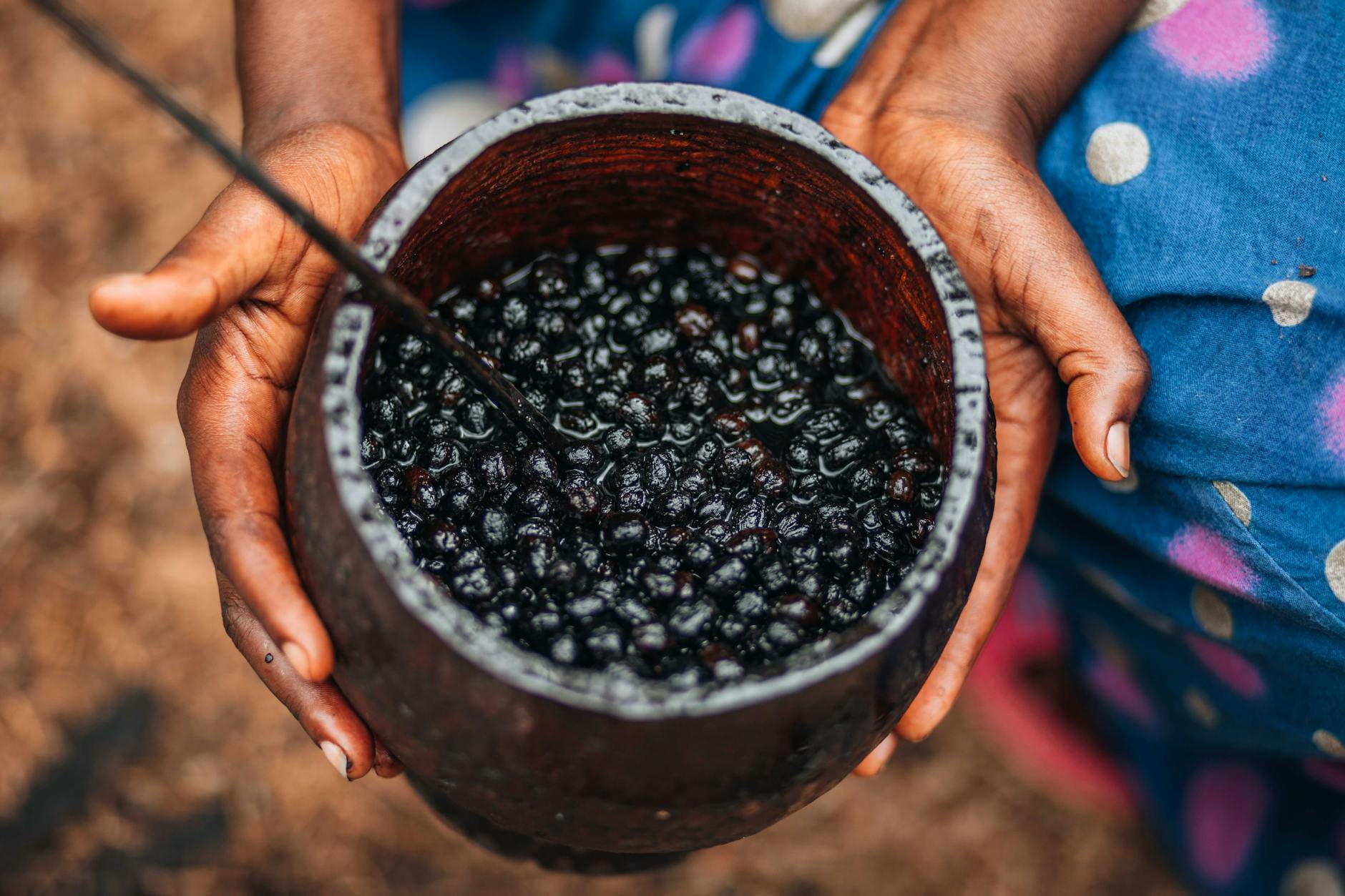
Every cell in your body faces a constant battle against unstable molecules called free radicals, and antioxidant foods are one of your best natural defenses. Research suggests that diets rich in antioxidant compounds may help reduce oxidative stress, which has been linked to chronic conditions like heart disease, certain cancers, and premature aging. The good news is that some of the most powerful antioxidant foods are affordable, delicious, and probably already in your kitchen.
1. Blueberries
Few fruits rival the antioxidant punch of blueberries. These tiny berries are loaded with anthocyanins, the pigments responsible for their deep blue color and much of their health benefit. Studies indicate that anthocyanins may support heart health and brain function as we age. A large-scale screening of over 3,100 foods confirmed that berries rank among the highest antioxidant food categories, far outpacing most other fruits. Fresh or frozen, blueberries retain their nutritional value well. Try tossing a handful into oatmeal, yogurt, or smoothies for a simple daily boost.
2. Dark Chocolate
Dark chocolate is more than an indulgent treat. It contains impressive levels of flavonoids and polyphenols, which are potent antioxidant compounds found in cacao. Research suggests that dark chocolate with at least 70 percent cacao may help improve blood flow and lower blood pressure. The key is moderation. A small square or two per day can deliver benefits without excess sugar or calories. Choose high-quality varieties with minimal added ingredients to get the most antioxidant value from every bite.
3. Walnuts
Walnuts stand out among nuts for their antioxidant content and heart-healthy omega-3 fatty acids. A systematic review of 16 studies found that walnuts, along with other antioxidant-rich foods, significantly improved antioxidant status and blood lipid markers in participants. They also provide vitamin E, melatonin, and polyphenols. These compounds work together in ways single supplements often cannot replicate. Sprinkle chopped walnuts over salads or eat a small handful as an afternoon snack to enjoy their protective benefits.
4. Spinach
This leafy green is a nutritional powerhouse packed with lutein, beta-carotene, and vitamin C. Spinach is one of the most versatile antioxidant foods you can keep on hand. Research suggests that lutein and zeaxanthin in spinach may support eye health and help protect against age-related macular degeneration. Spinach is also a good source of iron and folate, making it especially valuable for women and older adults. Sautéing spinach lightly with olive oil can actually improve the absorption of its fat-soluble antioxidants.
5. Pecans
Pecans are often overlooked, but they deserve a spot on any antioxidant foods list. They are rich in vitamin E and contain ellagic acid, a compound studied for its potential anti-inflammatory effects. Research highlights the remarkable radical scavenging activity found in pecans and their byproducts, confirming their potency through multiple laboratory assay methods. Clinical evidence shows that eating tree nuts regularly may support healthy cholesterol levels. Add pecans to baked goods, trail mix, or grain bowls for a crunchy, antioxidant-rich upgrade to your meals.
6. Red Kidney Beans
Beans might not seem glamorous, but red kidney beans are among the top antioxidant foods in the legume family. They provide anthocyanins, kaempferol, and other flavonoids that may help combat oxidative damage. They are also excellent sources of fiber, plant-based protein, and essential minerals like iron. Studies indicate that regularly eating legumes is associated with a lower risk of several chronic diseases. A simple way to enjoy them is in soups, chili, or mixed into a hearty grain salad for a filling, nutrient-dense meal.
7. Artichokes
Artichokes are one of the richest vegetable sources of antioxidants, particularly chlorogenic acid. This compound has been studied for its potential to support healthy blood sugar levels and liver function. Artichokes also supply generous amounts of fiber, vitamin C, and magnesium. Many people skip them because they seem complicated to prepare. Canned or jarred artichoke hearts make an easy alternative. Toss them into pasta, pizza, or dips for a quick way to elevate both the flavor and the antioxidant content of your meals.
8. Quinoa
Quinoa has earned its reputation as a superfood, and its antioxidant profile is part of the reason why. Research identifies quinoa as a rich polyphenol source, noting that antioxidant-rich diets can significantly increase serum antioxidant levels and decrease oxidative stress. Quinoa is naturally gluten-free and provides all nine essential amino acids. It also delivers iron, magnesium, and B vitamins. Use quinoa as a base for salads, stir-fries, or breakfast bowls to enjoy a complete protein alongside powerful plant antioxidants.
9. Green Tea
Green tea has been consumed for centuries, and modern science helps explain why it endures. It is rich in catechins, a type of polyphenol with strong antioxidant properties. Studies indicate that epigallocatechin gallate, the primary catechin in green tea, may help protect cells from DNA damage. Regular green tea consumption has also been associated with improved cardiovascular markers in some populations. Brewing loose-leaf green tea at moderate temperatures preserves more of these delicate compounds. Aim for two to three cups a day as a calming, antioxidant-rich alternative to coffee.
10. Extra Virgin Olive Oil
A cornerstone of the Mediterranean diet, extra virgin olive oil is loaded with polyphenols like oleocanthal and hydroxytyrosol. These antioxidants have been studied for their anti-inflammatory and heart-protective properties. Clinical evidence shows that olive oil may improve antioxidant status and support healthy lipid levels when used as a primary cooking fat. Unlike refined oils, extra virgin olive oil retains more of its beneficial compounds because it undergoes minimal processing. Drizzle it over roasted vegetables, use it in salad dressings, or dip crusty bread into a small dish for maximum enjoyment and benefit.
Loading your plate with a variety of antioxidant foods is one of the simplest strategies for supporting long-term health. No single food is a magic bullet, but together these ten options create a strong foundation against oxidative stress. Start by adding just one or two new choices to your weekly grocery list and build from there.
Medical Disclaimer: This article is for informational purposes only and does not constitute medical advice. Always consult a qualified healthcare professional before making health decisions.




