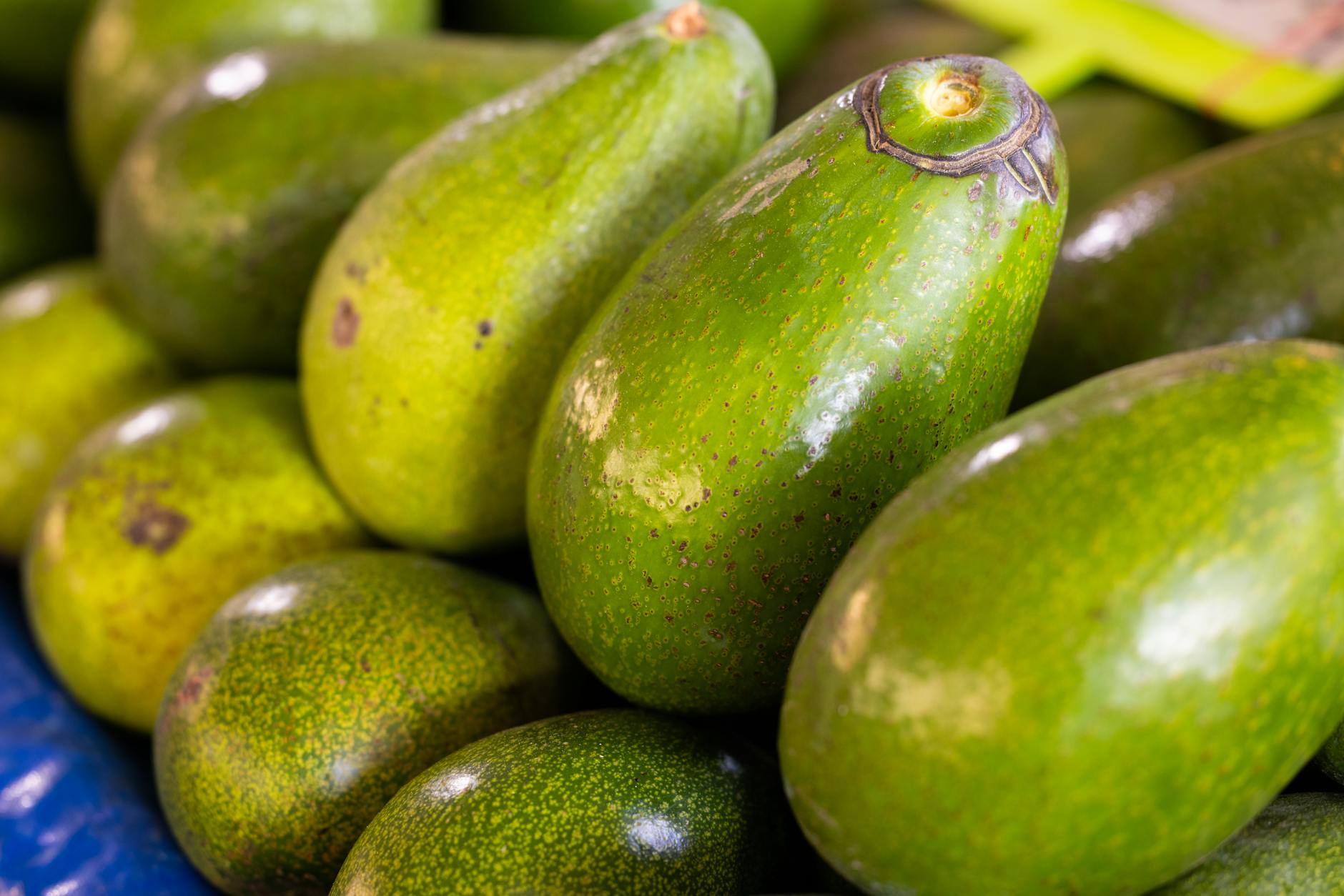
I spend half my week correcting dietary myths for patients who arrive carrying printouts from wellness blogs. They sit on the exam table asking if eating fat will make them fat, completely missing how metabolic pathways actually function. We need to talk about what this fruit actually does to human physiology.
1. The Lipoprotein Shift You Cannot Feel
Most articles will tell you avocados are good for your heart because they have healthy fats. That framing misses the point. It isn’t just about dumping oleic acid into your bloodstream. It’s about how that monounsaturated fat replaces the saturated fatty acids driving endothelial inflammation. I see this play out in lipid panels constantly. A patient comes in terrified of their climbing LDL. “My chest feels tight just looking at these numbers,” a guy told me last Tuesday. But when we dig into the sub-fractions, the density of those particles shifts when they start eating better fat sources. Primary care doctors often just glance at the total cholesterol and prescribe a statin immediately. We look closer at the particle size. Lipoproteins are basically cargo ships carrying cholesterol through the blood. When those ships are small and dense, they crash into the arterial walls and get stuck. Monounsaturated fats help build larger, more buoyant particles that float right by the danger zones. In large population cohorts, PubMed published data showing that eating two or more servings a week correlates with a 16% lower risk of cardiovascular disease. The mechanism is quiet. You don’t feel your coronary arteries staying compliant. You just don’t get the heart attack at fifty-five. And that’s the actual goal.
2. Dampening the Postprandial Spike
Blood sugar doesn’t care about your intentions. It cares about fiber and fat buffering the absorption of carbohydrates in your gut. I can usually spot insulin resistance before the lab slip comes back. The patient has skin tags on their neck and a subtle darkening in the creases of their knuckles. They tell me they crash hard at 2 PM every day. Throwing a slice of avocado on their lunchtime sandwich changes the absorption kinetics. The monounsaturated fats physically slow down gastric emptying. A trial indexed in PubMed demonstrated that twelve weeks of intake improved HbA1c and dropped inflammatory markers like hsCRP. You stop riding the glucose rollercoaster.
It smooths the curve.
3. Feeding the Bacterial Layer
Your colon operates as a fermentation vat. The bacteria living there demand soluble fiber to produce short-chain fatty acids like butyrate. Avocados deliver roughly three grams of this fiber per half fruit. We don’t fully understand the exact mapping of bacterial strains yet. But we know feeding them well keeps the gut lining intact. Starve them, and they start eating the mucosal barrier itself.
4. Neural Tissue and Lutein Accumulation
Brains are mostly fat and water. The macula of your eye and the frontal cortex of your brain hoard a pigment called lutein. Avocados package lutein perfectly with the exact fat needed to absorb it across the gut wall. Textbooks describe cognitive decline as a slow buildup of amyloid plaques or tau tangles. In the clinic, it looks like a patient pausing too long to remember the word for refrigerator. A review on PubMed highlights this dual action. It reduces cardiovascular risk while simultaneously supporting cognitive health. Blood flow matters to the brain. Lutein acts as a local antioxidant right where neurons are firing and generating metabolic exhaust. Protecting that tissue from oxidative stress delays the pauses.
5. The Mechanical Reality of Fullness
Hunger is hormonal. Stretch receptors in your stomach talk to your vagus nerve. Chemical signals like cholecystokinin do the heavy lifting. Fat triggers these hormones beautifully. You eat an avocado, and the brain registers adequate caloric intake faster. Snacking stops. It is a biological override switch.
6. The Gateway Effect on Overall Intake
People who eat avocados tend to eat better in general. This sounds like an epidemiological accident, but I watch it happen in real-time behavioral shifts. A woman sat in my office last month frustrated with her weight. “I just end up eating a sleeve of crackers standing over the sink,” she confessed. We changed one habit. She added half an avocado to her morning eggs. Suddenly, she stopped needing the crackers at three o’clock. The cascade effect is measurable. Recent data in PubMed tracked daily intake for twenty-six weeks in adults with abdominal obesity. It raised their Healthy Eating Index score by nearly five points. Because a high-fat whole food forces you to chew and register the meal. When you feel satisfied, you stop hunting for processed sodium and refined sugars. General practitioners often hand out generic pamphlets about eating the rainbow. That advice is useless without mechanical satiety. You have to fix the hunger first. Hunger will always win a willpower contest. The lipid profile of this fruit shuts down the ghrelin response faster than almost anything else you can put on a plate. It builds a nutritional moat around your afternoon.
7. Electrical Stabilization of the Myocardium
Bananas get all the public relations glory for potassium. Avocados actually carry more. Potassium is the counterweight to sodium in maintaining the resting membrane potential of your cells. Without enough of it, your blood vessels stay constricted. Your blood pressure creeps up. Do you know how many patients I see with borderline hypertension who just need more dietary potassium? Most of them. They take their lisinopril but eat nothing green. The cellular pump requires exactly this mineral to relax the smooth muscle lining the arterial walls. You fix the mineral balance, and sometimes the pressure corrects itself. It isn’t magic. It is basic cellular electrophysiology. We treat high blood pressure like a pharmaceutical deficiency. Often, it is just a dietary potassium deficit manifesting as tight vessels.
8. Cellular Division and Methylation
Cells divide constantly. To copy DNA without errors, your body needs methyl groups. Folate provides them. Textbooks focus heavily on neural tube defects during pregnancy, which is accurate but narrow. In standard adult physiology, adequate folate prevents homocysteine from accumulating in the blood. High homocysteine damages vessel walls. We measure this directly in preventive cardiology. An avocado gives you a massive hit of natural folate. (Unlike the synthetic folic acid found in fortified cereals, your body doesn’t have to struggle to convert it.) It just enters the methylation cycle directly. Keeping homocysteine low is a silent protective mechanism. It keeps your vascular lining slick and pliable. It proves that vitamins work best in their native biological packaging.
9. Soothing the Synovial Fluid
Joints degrade. Cartilage wears thin. The synovial fluid that lubricates your knees gets flooded with inflammatory cytokines. Avocados contain unsaponifiables. These are lipid fractions that survive the soap-making process, chemically speaking. Biologically, they tell your joint tissue to stop producing so much matrix metalloproteinase. That is the enzyme actively eating your cartilage. I see patients limping down the hallway before I even open the door. They want a cortisone shot immediately. Sometimes we do that. But changing the background inflammatory environment of the joint capsule through phytosterols changes the trajectory of the disease. These plant sterols cross the digestive barrier and travel directly to the inflamed synovial pockets. You don’t rebuild the knee. You just stop setting it on fire every day.
10. The Carrier Vehicle for Carotenoids
Eating a dry salad is a metabolic waste of time. You can chew spinach for an hour, but without lipids, the vitamins A, D, E, and K simply pass through your digestive tract unabsorbed. The mucosal cells lining your intestines require micelles to transport these molecules. Fat creates those micelles. You mix avocado with tomatoes, and your lycopene absorption quadruples. The green fruit acts as the solvent. It unlocks the chemical potential of whatever else is on your plate. We spend too much time counting calories. We should be looking at absorption coefficients. The fat in the avocado guarantees that the fat-soluble nutrients in your vegetables actually make it into your bloodstream. Without it, you are just making expensive feces.
Stop thinking of food as a moral choice and start viewing it as biochemical programming. Add a monounsaturated fat source to your most carbohydrate-heavy meal today to blunt the glucose response.
Medical Disclaimer: This article is for informational purposes only and does not constitute professional medical advice. Always consult a qualified healthcare professional before making changes to your health routine.




