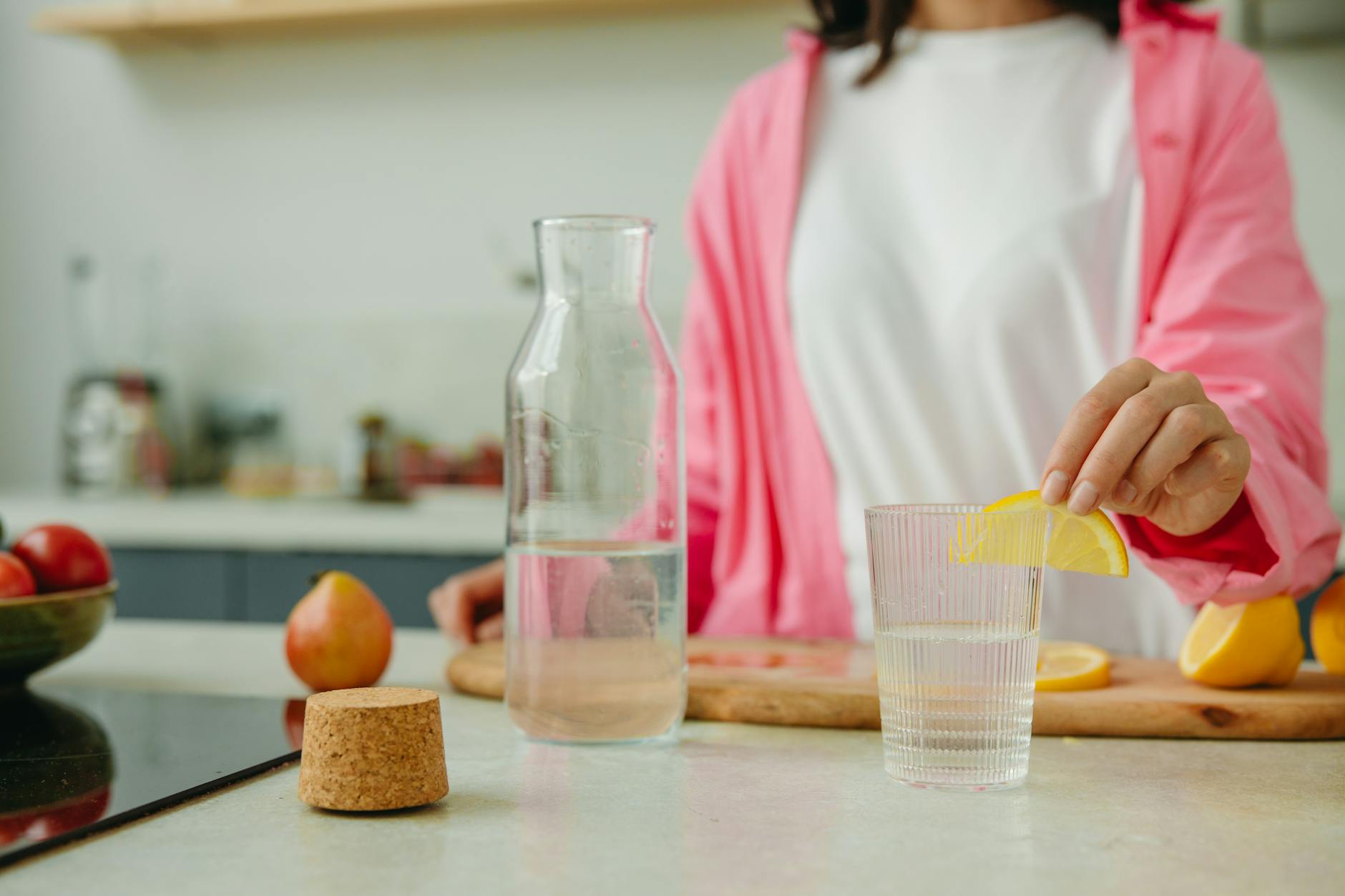
Patients sit on my exam table clutching massive plastic jugs of murky yellow fluid, convinced they’re actively flushing toxins out of their organs. They read online that squeezing citrus into their morning cup fixes everything from fatigue to a fatty liver. The physical reality of what that acid does inside the human body is far more mechanical than magical.
1. The Mechanics of Vessel Walls
Does adding a slice of fruit to your cup actually alter your vascular resistance? Yes, but not in isolation. We know that women who combined daily lemon ingestion with walking showed lowered systolic blood pressure over time. It’s the physical routine doing the actual heavy lifting here. The citric acid enhances calcium absorption, which plays a mechanical role in smooth muscle contraction around your arterial walls. But the liquid alone won’t save you from a sedentary lifestyle. You have to move.
2. The Translucent Edges
I often spot the pale, see-through edges of a patient’s incisors the second they open their mouth to say hello, long before a dental x-ray confirms enamel erosion. The acid strips the protective layer right off your teeth. Dentists see this constantly. You’re bathing your calcium in a solvent. Drink it through a straw.
3. The Sluggish Organ Fallacy
“I drink a gallon of hot lemon water a day so my liver doesn’t get sluggish.” A patient told me that last Tuesday. I hear some variation of this phrase weekly in the clinic. Most articles will tell you that lemon water is a powerful detoxifier that flushes your system. That framing misses the point entirely. Your liver isn’t a dirty sponge waiting to be rinsed out in the sink. It’s a highly efficient chemical processing plant. We do see evidence that lemon juice exerts hepatoprotective effects against chronic alcohol-induced liver injury in mice by reducing oxidative stress and triglyceride accumulation. That means it helps manage the inflammatory damage you actively cause, rather than magically washing away past sins. General practitioners often brush off fatigue as poor hydration, telling patients to just drink more water. But when you look at liver enzymes at the specialist level, you realize the problem is rarely a lack of citrus. It’s metabolic overload. If you’re drinking alcohol every night, squeezing a wedge of yellow fruit into your morning glass doesn’t undo the cellular damage. It merely adds antioxidants to a burning building. You cannot out-hydrate a chronically poor diet or a damaged biliary tract.
4. The Stomach Emptying Delay
Textbooks describe gastric emptying as a predictable physiological timeline based on macronutrient density. In the exam room, I see patients who feel bloated and nauseated because they chugged twenty ounces of acidic fluid on an empty stomach. The low pH of the mixture actually slows down the rate at which your stomach releases its contents into the small intestine. This delayed emptying can blunt the sharp spike in blood sugar after a meal. It keeps you feeling full. But it also leaves that acidic mixture sitting against your gastric mucosa for an extended period.
5. The Illusion of Melting Tissue
“It burns a little going down but that means it’s stripping the fat, right?” No. That burning is just mucosal irritation in your esophagus. You cannot melt adipose tissue by pouring acid on it from the inside. The weight you lose initially is purely from replacing high-calorie sodas with flavored water.
6. Microbial Shifts in the Gut
The bacteria living in your colon dictate more of your health than we ever suspected a decade ago. (We’re still figuring out exactly how these microbial populations manipulate our brain chemistry.) We know that lifelong intake of lemon polyphenols improved the intestinal microbiome and delayed aging markers in animal models. The fibrous pectin leftover in the pulp acts as food for these bacteria. If you just squeeze the juice and throw away the flesh, you’re discarding the very compounds your gut flora needs to thrive.
7. The Failing Valve
The lower esophageal sphincter is a ring of muscle that sits between your stomach and your throat.
Its entire job is to stay tightly shut so acid doesn’t creep upward. When you drink highly acidic fluids repeatedly throughout the day, you relax that tone. You’re actively bathing an already weakened valve in a fluid with a pH of roughly 2.5. Patients will sit across from me complaining of a chronic dry cough or a hoarse voice that peaks in the morning. They assume it’s just seasonal allergies. They never suspect the three cups of hot citrus water they drink before bed. The exact mechanism of how dietary acid triggers this reflex isn’t fully understood yet. We know it happens. We just debate the neurological pathways involved. If you wake up with a sour taste in your mouth, your morning ritual is betraying you. Stop drinking it after 4 PM. ENT specialists catch this constantly because they actually look at the tissue damage. They see the erythema on the arytenoids. You don’t need a pill for this cough. You need to stop pouring acid down your throat while lying flat.
8. Oxalate Binding
Kidney stones are formed when calcium binds to oxalates in your urine, creating sharp, jagged crystals that physically tear at the delicate lining of your ureter as they pass. Citrate is the natural chemical enemy of this entire process. It binds to the free calcium first, preventing the stones from ever aggregating. Squeezing half a lemon into your water provides a concentrated dietary dose of this citrate. It fundamentally alters the chemical environment of your bladder. You excrete the bound compound harmlessly in your urine. Urologists prefer this over prescribing potassium citrate pills because it’s cheaper and patients actually comply with it.
9. Iron Absorption from Plants
You can eat raw spinach until your stomach hurts and still be functionally anemic. Non-heme iron, the type found in leafy greens and legumes, is notoriously difficult for the human intestine to absorb. Ascorbic acid changes the valence state of that iron. It forces the mineral into a molecular form the mucosal cells in your gut can easily pull across the barrier. Drinking this acidic water alongside a large salad physically alters the structure of your food before it ever reaches your bloodstream.
10. The Metabolic Response
Some clinical literature notes that a lemon detox diet reduced body fat and insulin resistance in overweight women. The intervention was extreme. The results were measurable. But looking closely at the data reveals the sudden drop in serum inflammation markers was tied to severe caloric restriction, not just the mere presence of citrus. You’re starving the fat cells of energy. The water just happens to be the thing keeping you distracted.
Replacing sugary beverages with acidic water reduces your daily caloric load, but it comes at the direct cost of your dental enamel and esophageal lining. Drink it through a straw with meals, and stop expecting a slice of fruit to reverse years of metabolic neglect.
Medical Disclaimer: This article is for informational purposes only and does not constitute professional medical advice. Always consult a qualified healthcare professional before making changes to your health routine.




