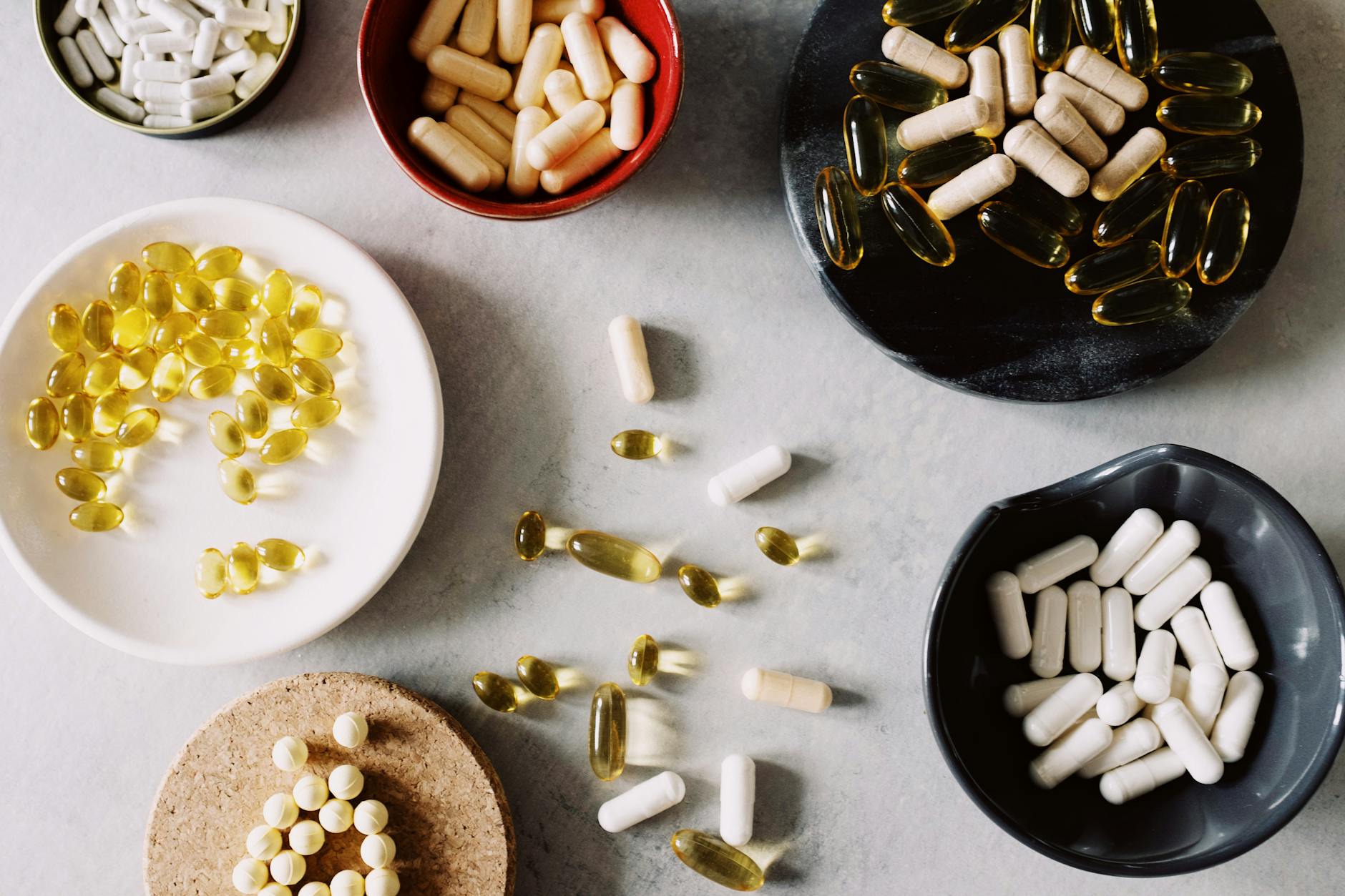
Curcumin is the bright yellow compound found in turmeric root, and it has been used in traditional medicine for centuries. Modern research is now catching up, with thousands of studies exploring the potential curcumin benefits for everything from joint pain to heart health. Whether you already take a curcumin supplement or you are just curious, here are ten reasons this compound keeps making headlines.
1. Powerful Anti-Inflammatory Properties
Chronic low-grade inflammation plays a role in many serious diseases, including heart disease, diabetes, and cancer. Curcumin has been shown to target multiple steps in the inflammatory pathway. Research suggests it can help reduce markers like C-reactive protein and interleukin-6. According to a comprehensive review published in PubMed, curcumin helps manage oxidative and inflammatory conditions by reducing inflammation at the molecular level. For people dealing with chronic inflammatory issues, adding curcumin alongside standard care may be a conversation worth having with a doctor.
2. Rich Antioxidant Activity
Oxidative stress occurs when free radicals overwhelm the body’s defenses. Over time, this damage contributes to aging and disease. Curcumin is a potent antioxidant that can neutralize free radicals directly. It also appears to boost the body’s own antioxidant enzymes, creating a two-pronged defense. Studies indicate that this dual mechanism makes curcumin particularly effective at protecting cells from oxidative damage. Including antioxidant-rich compounds like curcumin in your routine may help support long-term cellular health.
3. Joint Health and Arthritis Support
Millions of adults deal with joint stiffness and arthritis pain every day. Clinical evidence shows that curcumin supplementation may help reduce pain and improve function in people with osteoarthritis. A systematic review published in PubMed found that oral curcumin shows beneficial effects on clinical outcomes for musculoskeletal disorders like osteoarthritis. The anti-inflammatory and antioxidant properties likely work together to calm irritated joint tissue. If you struggle with stiff or achy joints, ask your healthcare provider whether curcumin could complement your current treatment plan.
4. Improved Blood Sugar Regulation
Keeping blood sugar stable is essential for metabolic health. Research suggests curcumin may improve insulin sensitivity and help the body process glucose more efficiently. A large-scale analysis published in PubMed found that curcumin supplementation significantly improves fasting blood sugar levels, with high credibility evidence supporting this outcome. This does not mean curcumin replaces diabetes medication. However, it may serve as a helpful addition for people working to maintain healthy blood sugar under medical supervision.
5. Heart Health and Cholesterol Support
Heart disease remains the leading cause of death worldwide, so any compound that supports cardiovascular health deserves attention. Studies indicate curcumin may help improve lipid profiles by raising HDL cholesterol and reducing triglycerides. It also appears to support healthy blood pressure levels. Research published in PubMed notes that curcumin shows potentially positive effects on lipid profiles and blood pressure. Pairing curcumin with a heart-healthy diet and regular exercise may offer additional cardiovascular protection.
6. Mood and Anxiety Support
Mental health is deeply connected to inflammation and brain chemistry. Emerging research suggests curcumin may help reduce symptoms of anxiety and depression. It appears to influence neurotransmitters like serotonin and dopamine while also calming inflammatory pathways in the brain. Some clinical trials have found that curcumin performs comparably to certain conventional treatments for mild mood disturbances. While it should never replace prescribed mental health treatment, curcumin may offer gentle support for emotional well-being when used alongside professional care.
7. Weight Management Benefits
Carrying excess weight increases the risk of metabolic disease, joint problems, and more. Clinical evidence shows curcumin may support weight management efforts by reducing inflammation in fat tissue and improving metabolic function. Some studies suggest it can modestly reduce body weight and waist circumference. The mechanism likely involves curcumin’s ability to influence fat cell metabolism and reduce obesity-related inflammation. Adding curcumin to a balanced diet and active lifestyle may give your weight management goals a helpful nudge.
8. Digestive Health Support
Curcumin has a long history of use for digestive complaints in traditional Ayurvedic medicine. Modern research suggests it may help reduce symptoms of bloating, gas, and indigestion. It appears to stimulate bile production, which aids in fat digestion. Some studies also indicate curcumin may support the gut lining and help manage symptoms associated with inflammatory bowel conditions. If you experience occasional digestive discomfort, curcumin might be worth discussing with your gastroenterologist or primary care provider.
9. Cognitive Function and Brain Health
Keeping your brain sharp as you age is a priority for many people. Research suggests curcumin may cross the blood-brain barrier and help reduce oxidative damage and inflammation in brain tissue. Some studies indicate it can boost levels of brain-derived neurotrophic factor, a protein that supports neuron growth and survival. Lower levels of this protein have been linked to cognitive decline and depression. While more research is needed, early findings suggest curcumin may play a supportive role in maintaining cognitive health over time.
10. Reduced Markers of Systemic Inflammation
Beyond targeting specific conditions, curcumin appears to lower general markers of inflammation throughout the body. C-reactive protein is one of the most commonly measured indicators of systemic inflammation. High-quality evidence suggests curcumin supplementation can significantly reduce CRP levels. This broad anti-inflammatory effect may explain why curcumin shows promise across such a wide range of health conditions. Tracking inflammation markers with your doctor can help you understand whether curcumin is making a measurable difference for your health.
The growing body of research around curcumin benefits makes this golden compound one of the most promising natural supplements available today. From joint comfort to heart health and blood sugar regulation, the evidence continues to build in its favor. Talk to your healthcare provider about whether curcumin supplementation fits your individual health needs, and always choose a high-quality product with enhanced bioavailability for the best results.
Medical Disclaimer: This article is for informational purposes only and does not constitute medical advice. Always consult a qualified healthcare professional before making health decisions.




