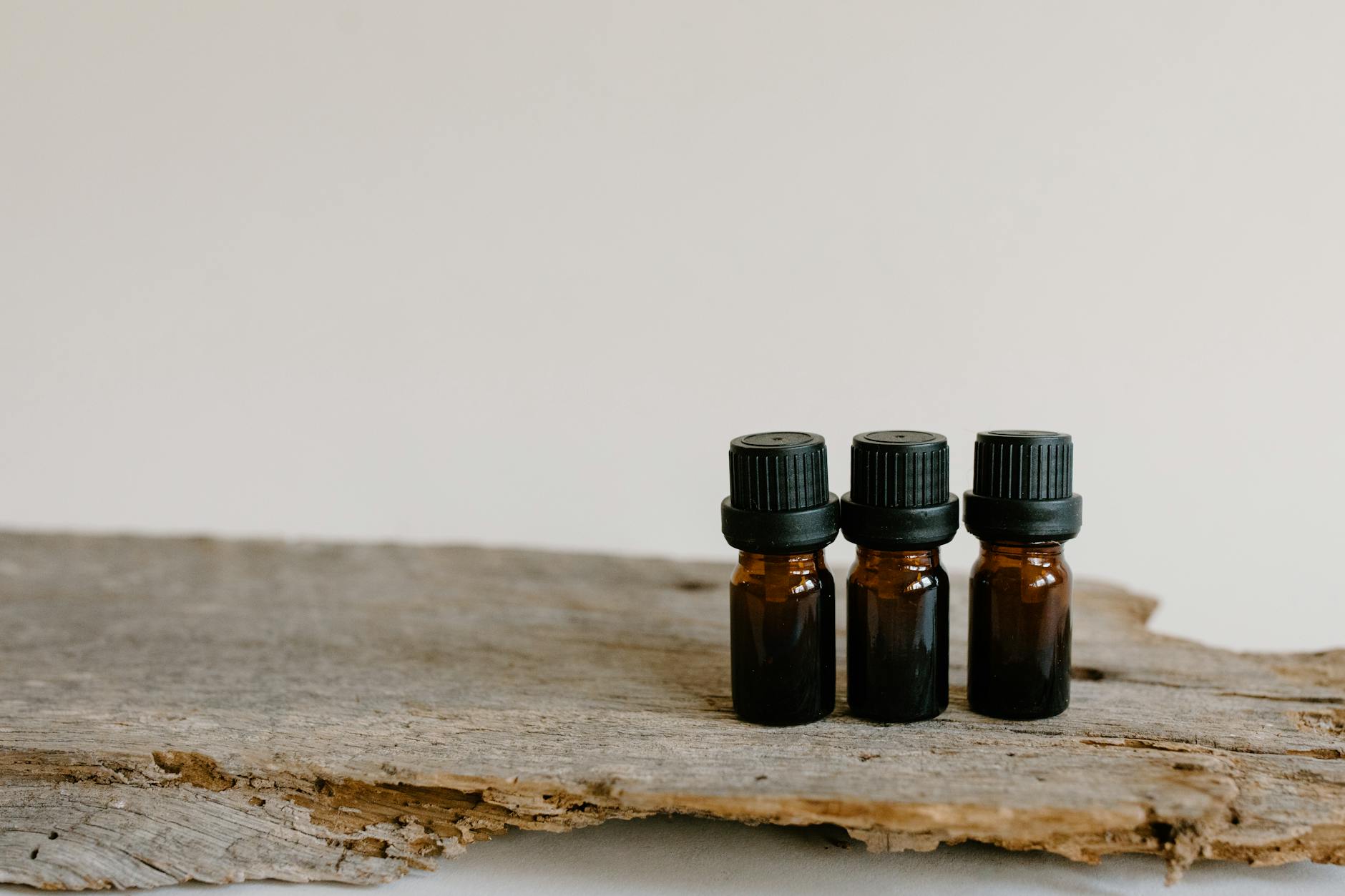
Melaleuca oil — better known as tea tree oil — is one of the most widely studied essential oils in modern research. Extracted from the leaves of the Australian Melaleuca alternifolia tree, this potent oil has earned a reputation for its antimicrobial and anti-inflammatory properties. Whether you are exploring natural skin care or looking for a household disinfectant, understanding what the science actually says can help you use melaleuca oil safely and effectively.
1. Fighting Acne Breakouts
Melaleuca oil is one of the most popular natural options for acne-prone skin. Its antibacterial properties may help target the bacteria that contribute to breakouts. Research suggests that a 5% tea tree oil gel can reduce the number and severity of acne lesions over several weeks. A PubMed review details the oil’s antiseptic mechanisms and its clinical efficacy for various skin infections, including acne. While it may work more slowly than benzoyl peroxide, it tends to cause less dryness and irritation. For a practical approach, dilute a few drops of melaleuca oil with a carrier oil and apply it as a spot treatment after cleansing.
2. Treating Fungal Nail Infections
Stubborn fungal nail infections are notoriously difficult to treat, even with prescription medications. Clinical evidence shows that melaleuca oil may offer a complementary approach. Studies indicate that solutions containing 25–50% tea tree oil achieved mycological cure rates of 55–64% compared to just 31% for placebo in clinical trials for fungal foot conditions. Consistent daily application to the affected nail is key. Talk to your doctor if you notice signs of worsening or if the infection does not improve after several weeks of use.
3. Soothing Minor Skin Irritations
Small cuts, insect bites, and minor scrapes are everyday occurrences that can benefit from a natural antiseptic. Melaleuca oil has long been valued for its ability to cleanse wounds and calm irritated skin. Its anti-inflammatory compounds, particularly terpinen-4-ol, may help reduce redness and swelling around minor injuries. Always dilute the oil before applying it to broken skin, as undiluted essential oils can cause further irritation. A simple blend of one to two drops in a teaspoon of coconut oil works well for most people.
4. Managing Athlete’s Foot
Athlete’s foot is a common fungal infection that thrives in warm, moist environments like gym showers and sweaty shoes. Melaleuca oil’s antifungal properties make it a frequently studied natural remedy for this condition. Clinical trials have shown that tea tree oil solutions can significantly reduce symptoms like scaling, itching, and burning. For best results, apply a diluted melaleuca oil solution to clean, dry feet twice daily. Pairing it with good foot hygiene — such as changing socks regularly and wearing breathable shoes — can enhance its effectiveness.
5. Supporting Oral Health
Emerging research points to melaleuca oil as a potential ally for oral hygiene. A systematic review of 46 randomized controlled trials found that tea tree oil showed efficacy in dentistry, among other medical fields. It may help reduce plaque-causing bacteria and soothe inflamed gums when used in diluted mouth rinses. However, melaleuca oil should never be swallowed, as ingestion can cause serious side effects. Look for commercially prepared tea tree oil mouthwashes that are formulated at safe concentrations for oral use.
6. Addressing Dandruff and Scalp Issues
A flaky, itchy scalp can be both uncomfortable and embarrassing. Melaleuca oil may help by targeting the yeast-like fungus that often contributes to dandruff. Studies suggest that shampoos containing 5% tea tree oil can significantly reduce dandruff severity and greasiness. The oil’s anti-inflammatory properties may also calm scalp redness and irritation. Adding a few drops of melaleuca oil to your regular shampoo is a simple way to experiment with this remedy, though patch-testing first is always a smart idea.
7. Combating MRSA and Resistant Bacteria
Antibiotic-resistant bacteria like MRSA pose a growing public health concern. Research suggests that melaleuca oil may play a supporting role in decolonization efforts. A clinical review found that tea tree oil showed therapeutic effects against MRSA, particularly when combined with other agents like iodine. Some studies report decolonization rates similar to standard treatments, though nasal irritation can be a side effect. This is an area where working closely with a healthcare provider is essential, as MRSA requires proper medical management.
8. Reducing Skin Inflammation
Chronic skin inflammation shows up in conditions like eczema, psoriasis, and contact dermatitis. Melaleuca oil’s terpinen-4-ol content has demonstrated anti-inflammatory activity in laboratory and clinical settings. This compound may help suppress inflammatory cytokines that drive redness and swelling. Some people find that a diluted melaleuca oil blend offers relief from itchy, inflamed patches. Start with a very low concentration and monitor your skin’s reaction carefully, since essential oils can occasionally trigger sensitivity in people with compromised skin barriers.
9. Natural Household Disinfectant
Beyond personal health, melaleuca oil doubles as a natural cleaning agent. Its broad-spectrum antimicrobial activity means it can help sanitize surfaces around the home. Many people add several drops to a spray bottle with water and white vinegar for an all-purpose cleaner. While it should not replace hospital-grade disinfectants, it offers a less toxic alternative for everyday cleaning tasks. This is especially appealing for households trying to reduce exposure to harsh chemical cleaners.
10. Easing Molluscum Contagiosum
Molluscum contagiosum is a viral skin infection that causes small, raised bumps, most commonly in children. Conventional treatments can be painful, prompting interest in gentler alternatives. Clinical evidence suggests that melaleuca oil, especially when combined with iodine, may help reduce lesions without the discomfort of procedures like cryotherapy. Results vary from person to person, and this approach works best under medical supervision. If your child develops molluscum bumps, discuss melaleuca oil as a potential complementary option with your pediatrician before applying it.
Melaleuca oil is a versatile natural remedy with a growing body of clinical research behind it. From skin care to household cleaning, its antimicrobial and anti-inflammatory properties make it worth exploring — always in diluted form and ideally with guidance from a healthcare professional. Start small, patch-test every new application, and let the evidence guide your choices.
Medical Disclaimer: This article is for informational purposes only and does not constitute medical advice. Always consult a qualified healthcare professional before making health decisions.




