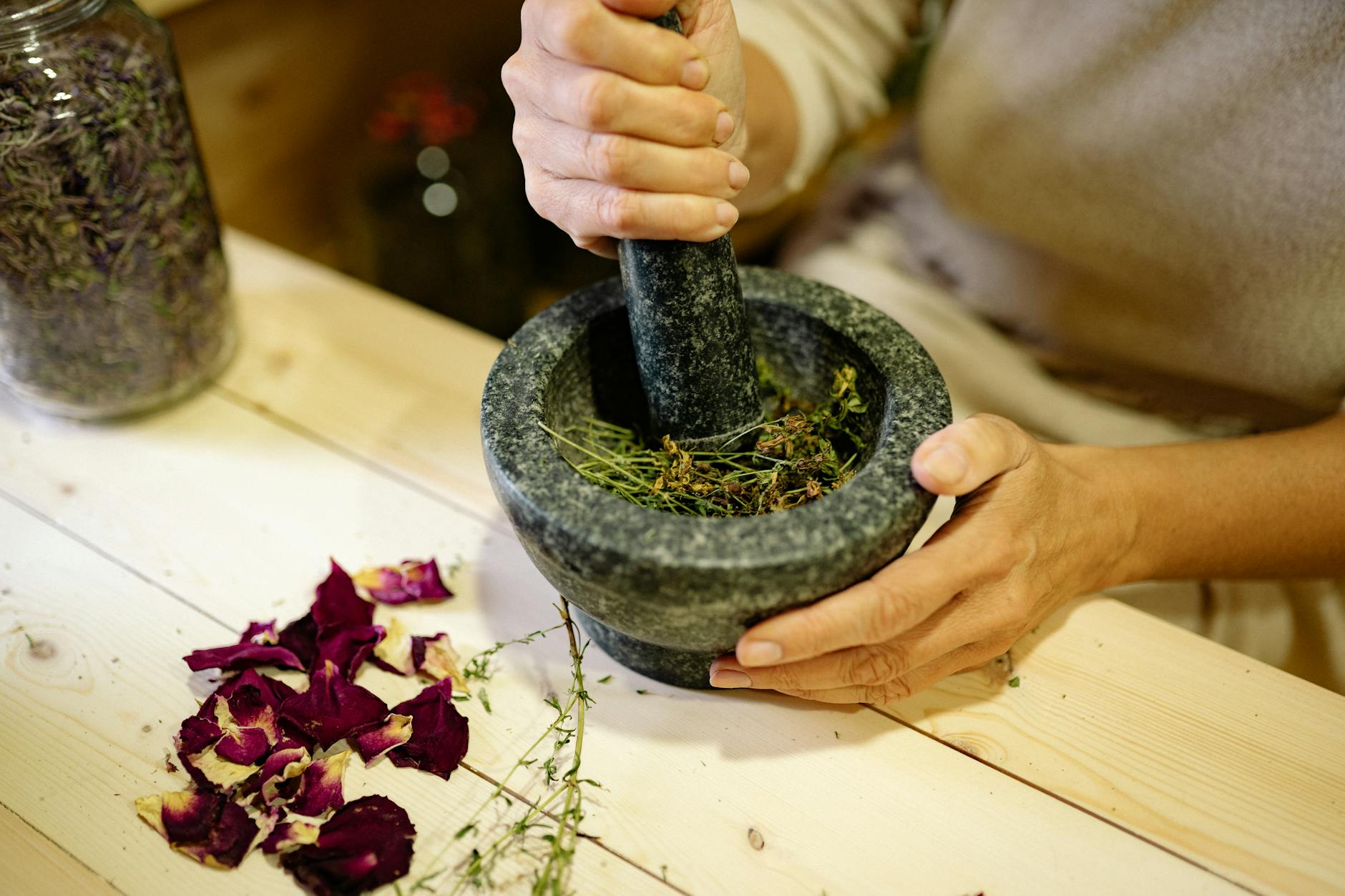
Home remedies have been a cornerstone of self-care for centuries, passed down through generations long before modern pharmacies existed. Research indicates that 64.4% of primary care patients still turn to home remedies for preventive purposes, self-care, and as complements to conventional medicine. Whether you are managing minor ailments or simply looking for natural comfort measures, these twelve time-tested remedies deserve a place in your wellness toolkit.
1. Honey for Sore Throats and Coughs
Honey has been used as a healing agent for thousands of years, and modern research is catching up with tradition. Studies suggest that honey may be as effective as some over-the-counter cough suppressants for soothing irritated throats. Its natural antimicrobial properties help coat the throat and calm persistent coughing. In fact, research shows that 80% of patients used home remedies like honey, often before turning to pharmaceutical options. A spoonful of raw honey in warm water or herbal tea makes a comforting and practical remedy. Just remember that honey should never be given to children under one year old due to the risk of botulism.
2. Ginger for Nausea and Digestive Upset
Few natural remedies have as strong a reputation for settling stomachs as ginger. Clinical evidence shows that ginger may help reduce nausea related to motion sickness, pregnancy, and even post-surgical recovery. The active compounds, gingerols and shogaols, appear to speed up gastric emptying and calm intestinal spasms. Brewing fresh ginger slices in hot water for ten minutes creates a simple, effective tea. You can also chew on a small piece of crystallized ginger when nausea strikes unexpectedly. Start with small amounts to see how your body responds, especially if you take blood-thinning medications.
3. Steam Inhalation for Congestion
Breathing in warm, moist air is one of the oldest and most intuitive home remedies for nasal congestion. Steam helps loosen mucus in the nasal passages and sinuses, providing temporary relief from stuffiness. Adding a few drops of eucalyptus or peppermint oil may enhance the decongestant effect. To practice safely, lean over a bowl of hot water with a towel draped over your head and breathe slowly for five to ten minutes. Keep the water warm rather than boiling to avoid burns. This approach works well alongside other comfort measures during cold and flu season.
4. Saltwater Gargle for Throat Pain
A warm saltwater gargle remains one of the simplest and most accessible home remedies for sore throats. Research suggests that the saline solution draws excess fluid from inflamed tissues, reducing swelling and discomfort. It may also help flush out irritants and bacteria lingering in the throat. Dissolve half a teaspoon of salt in eight ounces of warm water and gargle for thirty seconds. Repeat this several times throughout the day for best results. This remedy is gentle enough for most adults and older children to use regularly.
5. Chamomile Tea for Relaxation and Sleep
Chamomile has earned its reputation as a calming herb over centuries of traditional use across many cultures. Studies indicate that the flavonoid apigenin in chamomile binds to certain brain receptors, promoting relaxation and mild sedation. Drinking a warm cup before bed may help improve sleep quality, especially for people dealing with mild anxiety. Chamomile tea may also soothe minor digestive discomfort when sipped between meals. Steep a chamomile tea bag or dried flowers for five minutes in boiling water for a fragrant, calming brew. If you have allergies to ragweed or related plants, use chamomile with caution.
6. Turmeric for Inflammation
Turmeric has been a staple of Ayurvedic and traditional Chinese medicine for millennia. The active compound curcumin is responsible for its vibrant color and its potential anti-inflammatory properties. Research suggests curcumin may help manage symptoms associated with joint stiffness and general inflammatory responses. However, curcumin is poorly absorbed on its own. Pairing turmeric with black pepper, which contains piperine, may boost absorption significantly. Try adding a teaspoon of turmeric and a pinch of black pepper to warm milk or smoothies as a daily wellness habit.
7. Apple Cider Vinegar for Digestion
Apple cider vinegar has become one of the most popular home remedies in recent years, often touted for digestive support. Some preliminary research suggests it may help stabilize blood sugar levels after meals. Its acetic acid content could also promote healthy gut bacteria when consumed in small amounts. Mix one to two tablespoons of raw, unfiltered apple cider vinegar into a glass of water before meals. Drinking it straight can damage tooth enamel and irritate the esophagus, so always dilute it. While the evidence is still emerging, many people report noticeable improvements in bloating and digestion.
8. Peppermint Oil for Headaches
Applying diluted peppermint oil to the temples is a well-known folk remedy for tension headaches. Studies indicate that the menthol in peppermint oil has a cooling effect that may relax muscles and improve blood flow in the forehead. One clinical trial found that topical peppermint oil was comparable to acetaminophen for reducing headache intensity. Always dilute peppermint essential oil with a carrier oil like coconut or almond oil before applying it to the skin. A ratio of two to three drops per tablespoon of carrier oil is generally considered safe. Avoid contact with the eyes and keep it away from young children.
9. Chicken Soup for Cold Symptoms
Grandmothers around the world have prescribed chicken soup for colds, and science offers some support for this tradition. Research suggests that warm broth may have mild anti-inflammatory effects that help ease upper respiratory symptoms. The hot liquid also helps with hydration and may thin mucus, making it easier to breathe. During the COVID-19 pandemic, a multi-country review identified chicken soup among common home remedies used for symptom management and immunity support. Adding vegetables and garlic boosts the nutritional content even further. Consider making a large batch at the first sign of a cold so it is ready when you need it most.
10. Aloe Vera for Minor Burns and Skin Irritation
Aloe vera gel has been used for skin healing since ancient Egyptian times. The plant contains compounds like acemannan that research suggests may promote wound healing and reduce inflammation. Applying fresh aloe vera gel directly from the leaf to minor burns, sunburns, or skin irritations provides a cooling, soothing effect. It also helps keep the affected area moisturized, which supports natural skin repair. Look for pure aloe vera gel without added fragrances or alcohol for the best results. For deeper or more serious burns, skip the home remedy and seek medical attention promptly.
11. Warm Compress for Muscle Pain
A warm compress is a deceptively simple remedy that can provide meaningful relief for sore, tense muscles. Heat improves blood circulation to the affected area, helping deliver oxygen and nutrients that support tissue repair. It also relaxes tight muscle fibers and reduces the sensation of stiffness. Soak a clean towel in warm water, wring it out, and apply it to the sore area for fifteen to twenty minutes. You can also use a microwaveable heating pad for convenience. This approach works especially well for chronic muscle tension in the neck, shoulders, and lower back.
12. Lemon Water for Hydration and Vitamin C
Starting the day with a glass of warm lemon water is a popular health ritual embraced by millions worldwide. Lemons are a good source of vitamin C, which plays a role in immune function and skin health. While lemon water alone will not prevent illness, staying well-hydrated supports nearly every system in your body. The gentle citrus flavor encourages many people to drink more water throughout the day. Squeeze half a fresh lemon into a glass of warm or room-temperature water each morning. If you are concerned about tooth enamel, drink through a straw and rinse your mouth with plain water afterward.
These twelve home remedies offer accessible, low-cost ways to support your well-being using ingredients you likely already have at home. While none of them replace professional medical care, they can serve as gentle first steps for managing everyday health concerns. Pick one or two that resonate with your needs, try them consistently, and always loop in your healthcare provider if symptoms persist or worsen.
Medical Disclaimer: This article is for informational purposes only and does not constitute medical advice. Always consult a qualified healthcare professional before making health decisions.




