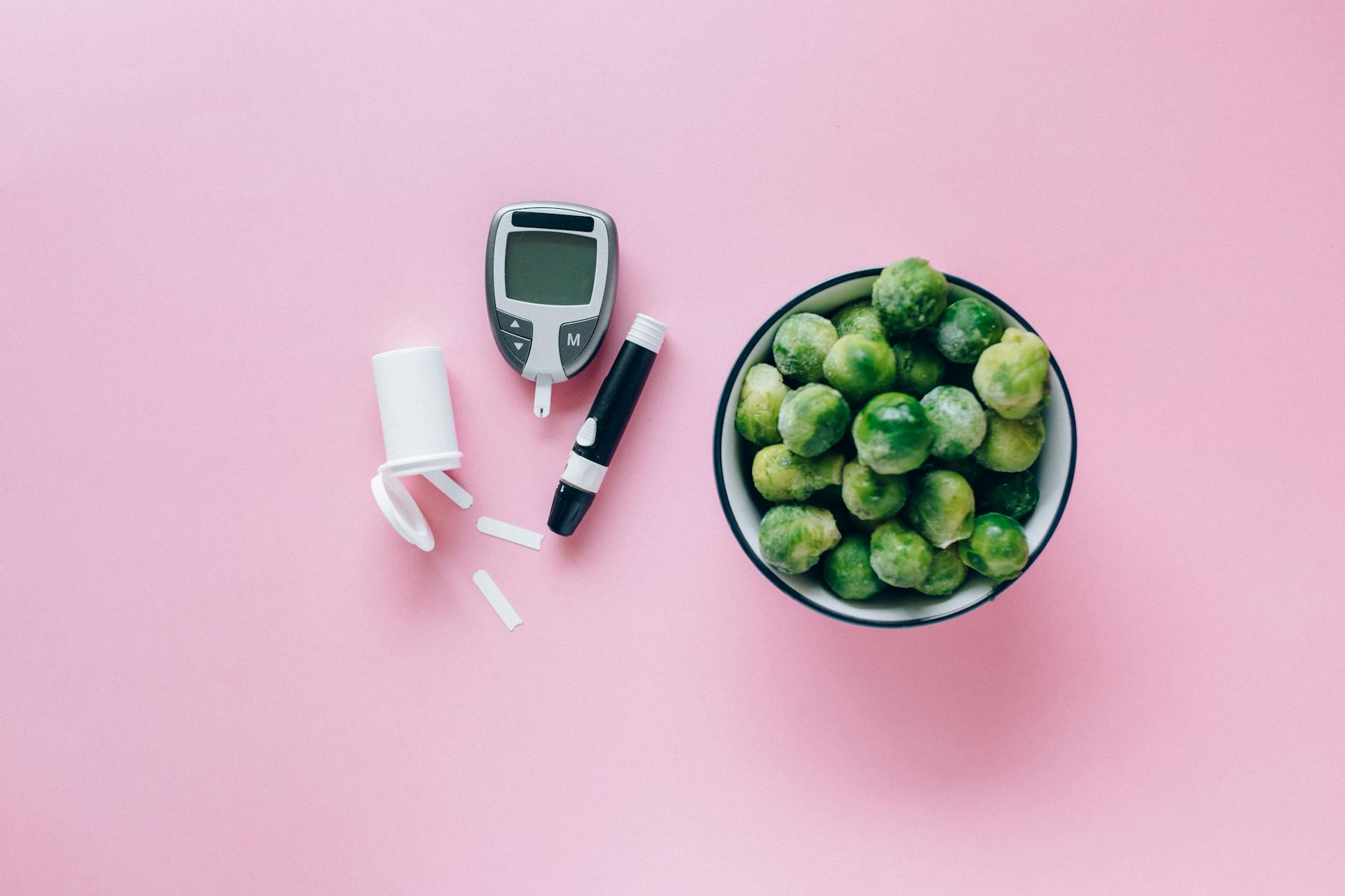
Millions of people are turning to low carb eating patterns to manage their weight and support metabolic health. Research suggests that reducing carbohydrate intake may help with early weight loss, steadier blood sugar, and improved cholesterol markers. The good news is that many low carb foods are affordable, widely available, and genuinely enjoyable to eat.
1. Eggs
Eggs are one of the most versatile and nutrient-dense low carb foods you can buy. A single large egg contains less than one gram of carbohydrates while delivering about six grams of high-quality protein. They are also rich in choline, a nutrient important for brain health. Studies suggest that eggs can increase satiety, helping you feel full longer between meals. Whether scrambled, poached, or hard-boiled, eggs fit seamlessly into breakfast, lunch, or dinner. An NIH study found that participants on a low-carbohydrate, animal-based diet experienced lower and more steady insulin and glucose levels. Try keeping a batch of hard-boiled eggs in your fridge for a quick protein-rich snack.
2. Leafy Greens
Spinach, kale, arugula, and Swiss chard are nutritional powerhouses that happen to be extremely low in carbs. A generous two-cup serving of raw spinach contains barely one gram of net carbohydrates. These greens deliver fiber, iron, magnesium, and vitamins A, C, and K. Their high water and fiber content can help you feel satisfied without adding significant calories. Leafy greens also contain antioxidants that research links to reduced inflammation. Toss them into salads, blend them into smoothies, or sauté them as a quick side dish to boost any meal.
3. Salmon
Salmon contains zero carbohydrates and is one of the best dietary sources of omega-3 fatty acids. These healthy fats have been widely studied for their potential benefits to heart health and brain function. A four-ounce serving provides roughly 25 grams of protein, making it a satisfying option for any meal. Wild-caught salmon tends to have a stronger nutritional profile than farmed varieties. Clinical evidence shows that omega-3s may help reduce triglyceride levels and support healthy inflammatory responses. Aim to include fatty fish like salmon in your meals at least twice per week.
4. Avocados
Creamy and satisfying, avocados are a standout among low carb foods. Half an avocado contains about two grams of net carbs and a generous nine grams of fiber. They are loaded with heart-healthy monounsaturated fats, potassium, and folate. Research suggests that the fiber and fat combination in avocados can promote feelings of fullness. This makes them a useful addition when you are trying to manage your appetite naturally. Spread avocado on low carb toast, dice it over salads, or blend it into a rich, dairy-free mousse for dessert.
5. Chicken Breast
Chicken breast is a lean protein staple that contains zero carbohydrates. A standard four-ounce serving packs about 26 grams of protein with minimal fat. It is also a solid source of B vitamins, which play a key role in energy metabolism. Research indicates low-carbohydrate diets may achieve better early weight loss and offer benefits for glycemic control and HDL cholesterol. Pairing lean chicken with non-starchy vegetables creates a balanced, satisfying meal. Season it with herbs and spices instead of sugar-heavy sauces to keep the carb count low.
6. Broccoli
Broccoli is a cruciferous vegetable with an impressive nutrient-to-carb ratio. One cup of chopped raw broccoli has about four grams of net carbs. It delivers a strong dose of vitamin C, vitamin K, and fiber. Research links cruciferous vegetables to antioxidant compounds called sulforaphanes, which studies suggest may support cellular health. Broccoli is also a surprisingly decent source of plant-based protein compared to other vegetables. Roast it with olive oil and garlic for a caramelized side dish, or steam it lightly to preserve its crunch and nutrients.
7. Almonds
A small handful of almonds offers a crunchy, portable snack that fits perfectly into a low carb eating plan. One ounce, roughly 23 almonds, contains about three grams of net carbs along with six grams of protein and 14 grams of healthy fats. Almonds are rich in vitamin E, magnesium, and manganese. Studies indicate that regular nut consumption is associated with improved cholesterol profiles and reduced cardiovascular risk. The combination of protein, fat, and fiber helps keep hunger at bay between meals. Just be mindful of portion sizes, since the calories can add up quickly.
8. Cauliflower
Cauliflower has become the darling of the low carb world, and for good reason. One cup of raw cauliflower florets contains just three grams of net carbs. Its mild flavor and adaptable texture make it a popular substitute for rice, mashed potatoes, and even pizza crust. This versatile vegetable provides a good amount of vitamin C, folate, and fiber. It also contains compounds that research associates with antioxidant activity. Studies show low-carbohydrate diets may lead to greater short-term weight loss and glycemic improvements. Pulse cauliflower in a food processor for a quick rice alternative that pairs well with stir-fries.
9. Greek Yogurt (Plain, Full-Fat)
Plain, full-fat Greek yogurt is a creamy and satisfying low carb food that many people overlook. A typical six-ounce serving contains roughly five to seven grams of carbs and up to 15 grams of protein. It is also a natural source of probiotics, the beneficial bacteria that support gut health. The protein content can help you stay full and may reduce the urge to snack on higher-carb options. Choose plain varieties to avoid the hidden sugars packed into flavored brands. Add fresh berries or a sprinkle of nuts for extra flavor without a significant carb spike.
10. Olive Oil
Olive oil contains zero carbohydrates and is a cornerstone of the Mediterranean diet, one of the most studied dietary patterns in the world. It is rich in oleic acid, a monounsaturated fat that research links to reduced inflammation and improved heart health markers. Extra virgin olive oil also delivers polyphenols, plant compounds with potent antioxidant properties. Using olive oil as your primary cooking fat is a simple swap that supports a low carb lifestyle. Drizzle it over roasted vegetables, use it in homemade salad dressings, or simply dip low carb bread alternatives in it for a satisfying snack.
Incorporating a variety of these low carb foods into your daily meals can make reducing carbohydrate intake feel natural rather than restrictive. Start by swapping one or two high-carb staples each week with options from this list, and pay attention to how your energy and appetite respond. Small, consistent changes tend to stick far better than dramatic overhauls.
Medical Disclaimer: This article is for informational purposes only and does not constitute medical advice. Always consult a qualified healthcare professional before making health decisions.




