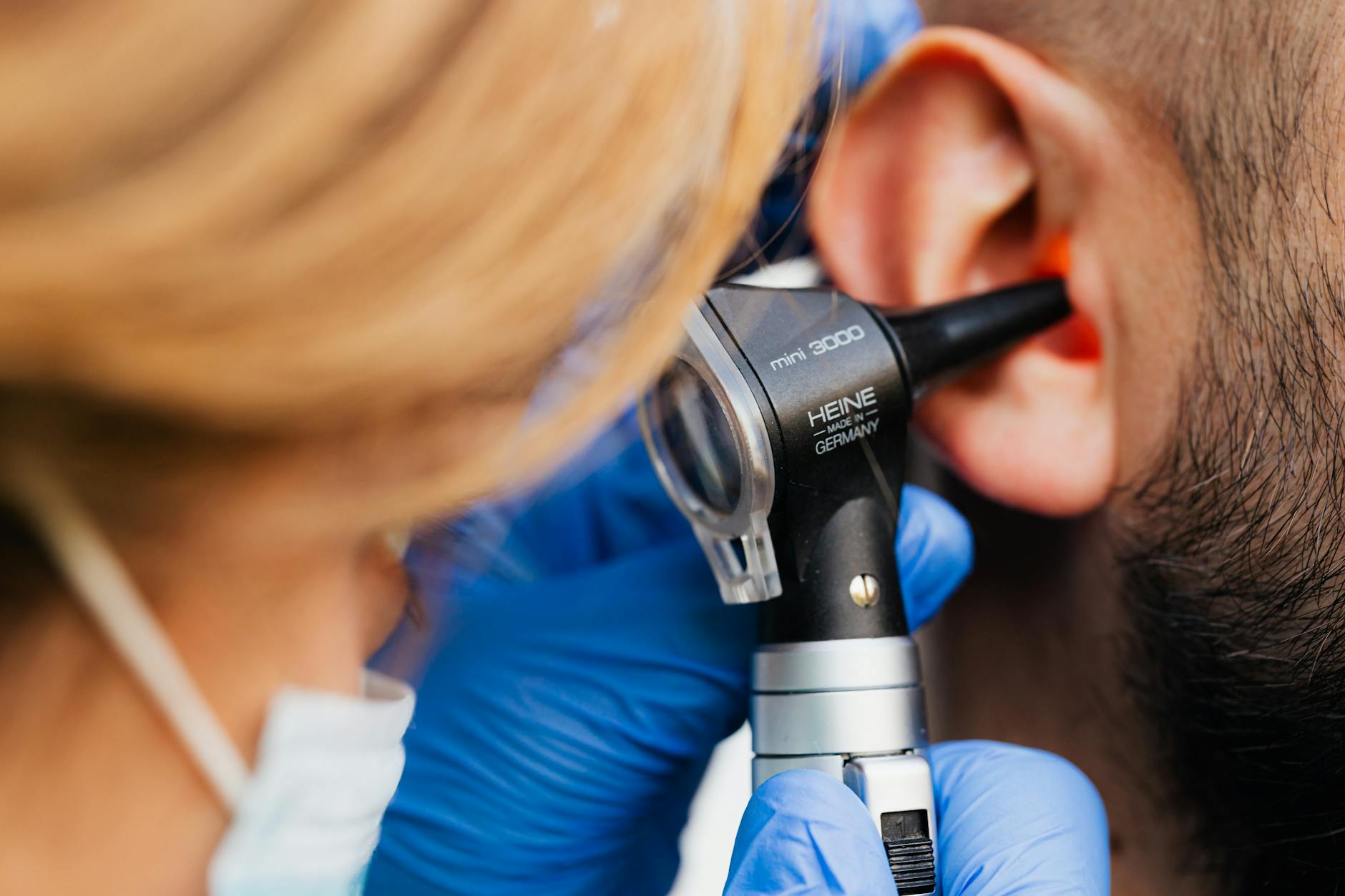
Getting water trapped in your ear is one of the most common annoyances after swimming, showering, or bathing. That sloshing, muffled sensation isn’t just uncomfortable — if moisture lingers too long, it can create a breeding ground for bacteria and lead to swimmer’s ear (otitis externa). The good news is that most cases resolve quickly with the right technique.
1. Tilt Your Head and Use Gravity
The simplest approach is often the most effective. Tilt the affected ear toward the ground and hold still for 30 seconds to a minute. You can gently pull on your earlobe to straighten the ear canal and help the water drain out naturally. Hopping gently on one foot while tilting your head can add a little extra momentum. This method works especially well when the water in ear problem is mild and the fluid hasn’t traveled deep into the canal. Try this first before moving on to other techniques.
2. Create a Vacuum With Your Palm
Cup your palm flat against the affected ear and tilt your head to the side. Press your hand firmly to create a seal, then pull it away quickly in a pumping motion. This creates a brief vacuum effect that can coax trapped water out of the ear canal. Repeat this several times in quick succession. The key is making sure your palm fully covers the ear opening so the suction builds properly. This technique is gentle enough for children and adults alike.
3. Use a Blow Dryer on Low Heat
A hair dryer set to the lowest heat and lowest airflow setting can help evaporate stubborn water in ear passages. Hold the dryer about a foot away from your ear and move it back and forth slowly. The warm air encourages evaporation without risking a burn. Never use high heat, and avoid pointing the dryer directly into the ear canal at close range. This method is particularly useful when gravity alone doesn’t do the trick. A few minutes is usually enough to feel relief.
4. Try Over-the-Counter Ear Drops
Pharmacies carry alcohol-based ear drops specifically designed to remove trapped water. These drops work by breaking up surface tension and speeding evaporation inside the ear canal. Most contain isopropyl alcohol and sometimes glycerin to soothe irritation. Tilt your head, apply the recommended number of drops, and wait a minute before tilting to drain. Avoid these products if you have ear tubes, a perforated eardrum, or an active ear infection. Always read the label carefully before use.
5. Make a Homemade Alcohol-Vinegar Solution
A classic home remedy involves mixing equal parts rubbing alcohol and white vinegar. The alcohol promotes faster evaporation, while the vinegar may help prevent bacterial growth. Use a clean dropper to place three or four drops into the affected ear. Wait about 30 seconds, then tilt your head to let the solution and water drain out together. Research suggests that keeping the ear canal dry and slightly acidic can help ward off swimmer’s ear. Skip this remedy if you suspect any damage to your eardrum.
6. Lie on Your Side for a Few Minutes
Sometimes patience and positioning are all you need. Lie down on your side with the affected ear facing the pillow or a soft towel. Gravity will slowly pull the water downward and out of the ear canal. Staying still for five to ten minutes gives the fluid enough time to work its way free. You can place a warm towel under your ear to encourage the process. This passive method is ideal for bedtime when you want a hands-free solution for water in ear discomfort.
7. Chew, Yawn, or Wiggle Your Jaw
Moving your jaw can shift the walls of the ear canal enough to release trapped water. Try chewing gum, pretending to yawn widely, or wiggling your jaw side to side while tilting your head. These motions change the shape of the ear canal slightly and can break the seal that’s holding the water in place. This approach is completely safe and can be done anywhere. It works best when combined with a head tilt toward the affected side. Many swimmers rely on this quick trick poolside.
8. Use Ear Protection During Water Activities
Prevention is the best strategy if you’re prone to getting water trapped in your ears. Custom-molded or silicone earplugs designed for swimming create a watertight seal. Research published in PubMed found that patients with tympanostomy tubes who used ear protection when exposed to water had a lower incidence of ear discharge in the first postoperative month compared to those without protection. Swim caps that cover the ears offer another layer of defense. Investing in well-fitting ear protection is a small step that can prevent a lot of discomfort and potential complications.
9. Understand When Ear Tubes Change the Rules
Children with ventilation tubes (ear tubes) often get extra warnings about water exposure, but the evidence is nuanced. One study showed that in the first month after tube placement, children without ear protection had an otorrhea incidence of 33% compared to just 11% in the protected group. However, other research found no significant difference in discharge rates between protected and unprotected groups, suggesting routine water precautions may not always be necessary. Talk to your child’s ENT specialist about personalized guidelines based on the type of tubes and healing progress.
10. Know When to See a Doctor
Most cases of water in ear resolve within a day or two. However, if you experience persistent pain, reduced hearing, swelling, or discharge that lasts beyond 48 hours, it’s time to see a healthcare provider. These could be signs of swimmer’s ear or a middle ear infection that needs medical treatment. A doctor can safely remove trapped fluid and prescribe antibiotic ear drops if infection is present. Never insert cotton swabs, bobby pins, or other objects deep into the ear canal to remove water. Doing so risks pushing the fluid deeper or damaging the delicate eardrum.
Trapped water in your ear is usually a minor inconvenience that responds well to simple, at-home techniques like gravity drainage, jaw movement, or gentle ear drops. If you swim or bathe frequently, consider using quality ear protection as a first line of defense. When symptoms persist or worsen beyond a couple of days, reach out to your doctor to rule out infection and get proper treatment.
Medical Disclaimer: This article is for informational purposes only and does not constitute medical advice. Always consult a qualified healthcare professional before making health decisions.




