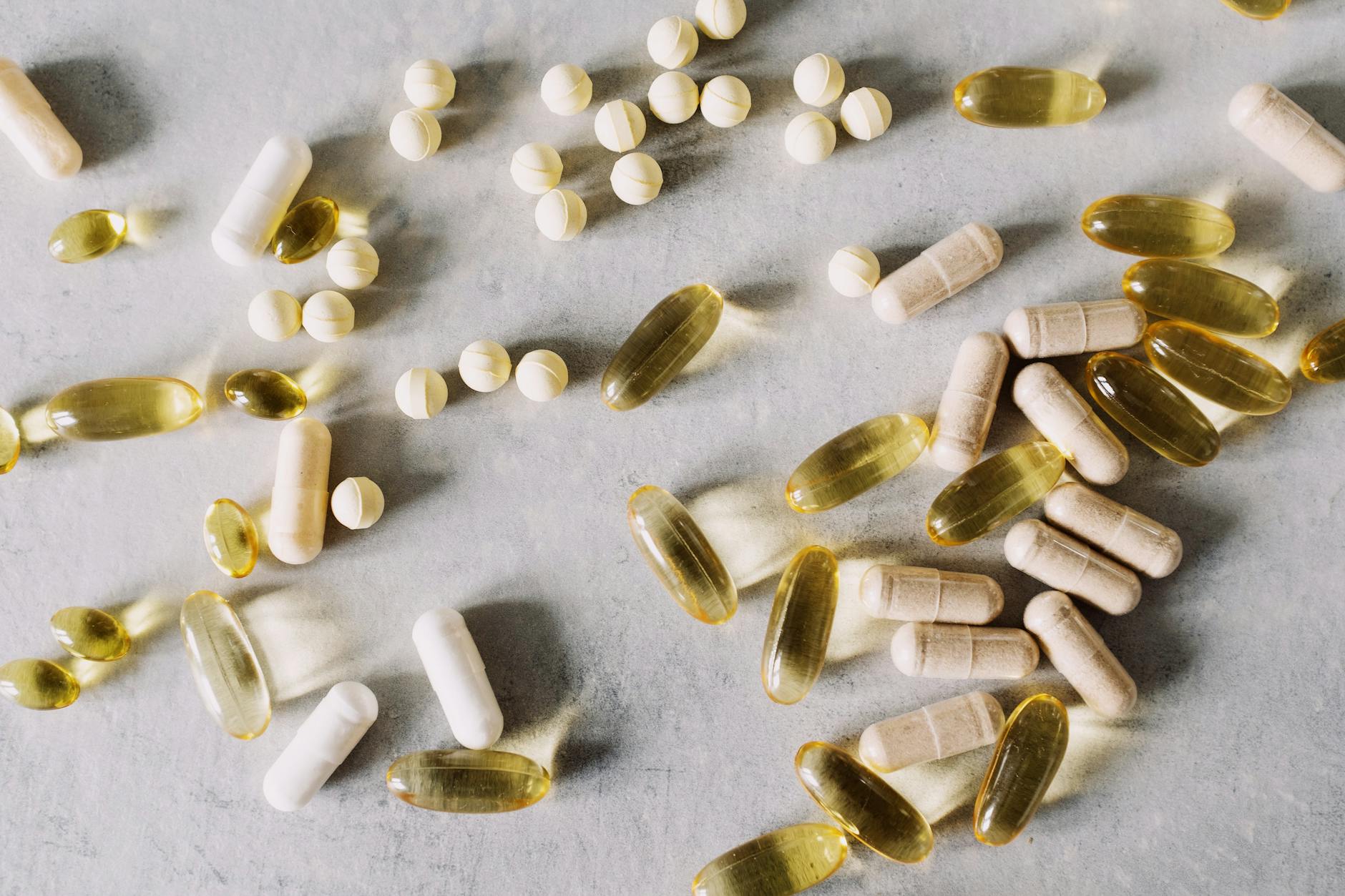
Saccharomyces cerevisiae has been part of human life for thousands of years, quietly working behind the scenes in bread, beer, and wine. Yet modern science is revealing that this humble yeast does far more than ferment — specific strains may offer real benefits for digestion, immunity, and overall wellness. Here is what researchers are learning about this fascinating microorganism and how it might help you.
1. Supports Digestive Balance
One of the most well-studied benefits of saccharomyces cerevisiae involves its positive effects on the digestive system. Certain strains, particularly S. cerevisiae var. boulardii, appear to help restore balance in the gut microbiome. This probiotic yeast can survive stomach acid and reach the intestines intact. Research suggests it may help crowd out harmful bacteria while encouraging the growth of beneficial microbes. According to PubMed, S. cerevisiae var. boulardii acts as a biotherapeutic agent with antibacterial and anti-inflammatory properties. If you are looking for a natural way to support daily digestive comfort, this probiotic yeast is worth discussing with your doctor.
2. May Reduce Antibiotic-Associated Diarrhea
Antibiotics are lifesavers, but they often wipe out good gut bacteria along with the bad. This disruption frequently leads to uncomfortable diarrhea. Clinical evidence shows that taking S. cerevisiae var. boulardii alongside antibiotics may significantly reduce this common side effect. The yeast appears to protect the intestinal lining and help restore microbial diversity more quickly. If your healthcare provider prescribes antibiotics, ask whether adding a saccharomyces cerevisiae-based probiotic could help protect your gut during treatment.
3. Eases Irritable Bowel Syndrome Symptoms
Living with irritable bowel syndrome can feel like a daily battle against bloating, cramping, and unpredictable bowel habits. Specific strains of saccharomyces cerevisiae show promise in easing these frustrating symptoms. A PubMed randomized, double-blind study of 456 subjects found that S. cerevisiae CNCM I-3856 significantly alleviated abdominal pain in IBS patients with predominant constipation, increasing the number of responders by 33 percent. Consider talking to a gastroenterologist about whether this strain could complement your current IBS management plan.
4. Strengthens Immune Function
Your gut houses roughly 70 percent of your immune system, so supporting it naturally affects your defenses. Saccharomyces cerevisiae contains compounds called beta-glucans found in the yeast cell wall. Studies indicate that these beta-glucans can stimulate immune cells like macrophages and natural killer cells. This activation may help the body respond more effectively to infections. Research also highlights immune-modulatory properties of the boulardii variety specifically. Adding a well-studied strain to your routine may give your immune system a gentle, natural boost.
5. Offers Antioxidant Protection
Oxidative stress contributes to aging, inflammation, and chronic disease. Saccharomyces cerevisiae naturally produces several antioxidant compounds, including glutathione and superoxide dismutase. These molecules help neutralize free radicals that damage cells throughout the body. Research suggests that certain yeast extracts may support the body’s own antioxidant defense systems. While no single supplement replaces a diet rich in fruits and vegetables, saccharomyces cerevisiae-derived antioxidants represent a promising area of nutritional research worth following.
6. Aids in Crohn’s Disease Management
Crohn’s disease causes chronic inflammation in the digestive tract, leading to pain, fatigue, and nutritional deficiencies. Managing flare-ups requires a multifaceted approach. Studies indicate that S. cerevisiae var. boulardii may help reduce intestinal inflammation and support remission in some Crohn’s patients. The yeast appears to modulate inflammatory pathways and strengthen the gut barrier. This does not replace standard medical treatment, but it may serve as a helpful complementary strategy. Work closely with your gastroenterologist to determine whether probiotic yeast fits into your care plan.
7. Shows Promise Against Vaginal Infections
Vaginal yeast infections caused by Candida albicans affect millions of women each year. Interestingly, saccharomyces cerevisiae may help fight back. According to PubMed, vaginal administration of live or inactivated S. cerevisiae enhanced clearance of Candida albicans in a murine model, performing comparably to fluconazole by inhibiting adhesion and pathogenicity factors. While human trials are still needed, these early findings suggest exciting potential. Women experiencing recurrent infections should discuss emerging probiotic options with their gynecologist.
8. Serves as a Platform for Vaccine Development
Beyond direct consumption, saccharomyces cerevisiae plays a growing role in pharmaceutical manufacturing. Scientists have engineered this yeast to produce vaccines, including the widely used hepatitis B vaccine. Its well-understood genetics make it an ideal cell factory for creating safe, effective biological products. A PubMed review highlights engineered S. cerevisiae applications in medicine, from producing pharmaceuticals to serving as biosensors for diagnostics. This versatility means the yeast you know from baking may quietly protect you through modern medicine as well.
9. Provides a Rich Source of B Vitamins
Nutritional yeast, a deactivated form of saccharomyces cerevisiae, is packed with B vitamins. These include thiamine, riboflavin, niacin, B6, and often fortified B12. B vitamins are essential for energy production, nervous system function, and red blood cell formation. Many vegetarians and vegans rely on nutritional yeast as a primary B12 source. Just two tablespoons can deliver a significant portion of your daily needs. Sprinkling it on popcorn, pasta, or salads is an easy and tasty way to boost your nutrient intake naturally.
10. Contains High-Quality Protein
Saccharomyces cerevisiae is roughly 50 percent protein by dry weight, making it a surprisingly potent protein source. It contains all essential amino acids, which is uncommon among non-animal foods. Nutritional yeast derived from this species offers about eight grams of complete protein per serving. This makes it especially valuable for people following plant-based diets. The protein is easily digestible and pairs well with whole grains for balanced meals. If you struggle to meet daily protein targets without meat, adding nutritional yeast to your diet is a simple, affordable strategy.
Saccharomyces cerevisiae is a remarkably versatile organism with benefits that stretch from your kitchen pantry to cutting-edge medicine. Whether you are exploring probiotic support for gut health, seeking plant-based nutrition, or simply curious about this ancient yeast, the science continues to grow in exciting directions. Talk to your healthcare provider about which form or strain might best support your individual health goals.
Medical Disclaimer: This article is for informational purposes only and does not constitute medical advice. Always consult a qualified healthcare professional before making health decisions.




