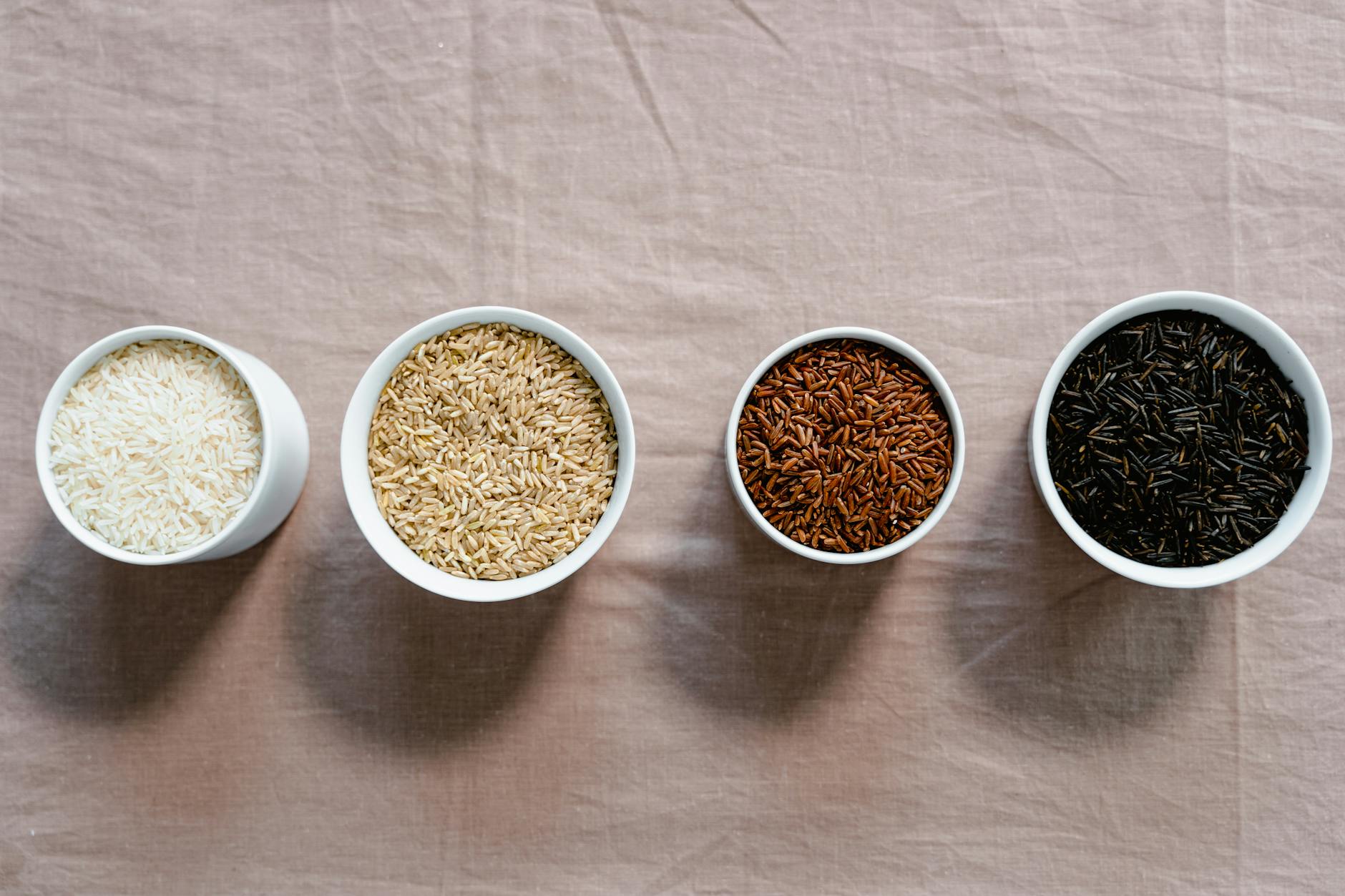
Brown rice has been a dietary staple across cultures for thousands of years, yet many people still reach for the white variety out of habit. Understanding brown rice nutrition can help you make a more informed choice the next time you plan a meal. Here are ten facts that may change the way you think about this humble whole grain.
1. It Keeps the Whole Grain Intact
Unlike white rice, brown rice retains its bran and germ layers during processing. These outer layers are where most of the vitamins, minerals, and fiber reside. White rice loses roughly 60 to 90 percent of certain B vitamins and nearly all of its fiber during milling. Research shows that brown rice contains high dietary fiber, vitamin E, and bioactive compounds with anti-diabetic, cardioprotective, and antioxidant properties, as noted in NIH/PMC research. Choosing brown rice is one of the simplest swaps you can make to boost your whole grain intake.
2. One Cup Delivers Impressive Fiber
A single cooked cup of brown rice provides about 3.5 grams of dietary fiber. That may sound modest, but it is roughly six times more fiber than the same serving of white rice. Fiber supports regular digestion, feeds beneficial gut bacteria, and helps you feel full longer after meals. If you struggle to hit the recommended 25 to 30 grams of daily fiber, adding brown rice to lunch or dinner is a practical starting point.
3. It Is a Reliable Source of Manganese
Manganese is an essential trace mineral that many people overlook. One cup of cooked brown rice supplies close to 88 percent of the daily recommended value. This mineral plays a role in bone formation, blood clotting, and metabolizing carbohydrates. Because manganese deficiency is uncommon yet still possible on restrictive diets, brown rice offers an easy nutritional safety net.
4. Brown Rice May Support Healthy Blood Sugar Responses
Blood sugar spikes after meals are a concern for millions of people managing diabetes or prediabetes. Clinical evidence suggests that brown rice helps lower postprandial blood glucose levels compared to refined grains. A randomized controlled trial published on PubMed found that whole grain brown rice has a slower gastric emptying rate due to its bran layer, which contributes to a lower glycemic response. Pairing brown rice with vegetables and lean protein can further moderate the blood sugar impact of your meal.
5. It Provides a Solid Dose of B Vitamins
Brown rice nutrition stands out partly because of its B-vitamin profile. It contains meaningful amounts of thiamine, niacin, and vitamin B6. These vitamins help your body convert food into usable energy and support nervous system function. People who eat mostly refined grains may miss out on these nutrients unless their products are fortified, making brown rice a naturally nutrient-dense alternative.
6. Studies Link It to Healthier Body Weight
Maintaining a healthy weight is one of the most impactful things you can do for long-term health. A systematic review and meta-analysis on PubMed found that brown rice consumption significantly reduces weight, BMI, and waist circumference compared to white rice. The higher fiber content likely plays a central role by promoting satiety and reducing overall calorie intake. Swapping white rice for brown rice a few times per week is a small change with potentially meaningful results.
7. It Contains Naturally Occurring Antioxidants
Most people associate antioxidants with colorful fruits and vegetables, not grains. However, brown rice contains phenolic compounds and flavonoids concentrated in its bran layer. These antioxidants help neutralize free radicals that can damage cells over time. Research indicates these bioactive compounds may contribute to brown rice’s cardioprotective and anti-inflammatory properties, making it more than just a source of carbohydrates.
8. It Supplies Key Minerals Like Magnesium and Selenium
Beyond manganese, brown rice delivers noteworthy amounts of magnesium and selenium. One cooked cup provides around 20 percent of daily magnesium needs and roughly 27 percent of selenium needs. Magnesium supports muscle and nerve function, while selenium plays a critical role in thyroid health and immune defense. Getting these minerals from whole foods like brown rice is generally more effective than relying solely on supplements.
9. Research Suggests It May Help Reduce Inflammation
Chronic low-grade inflammation is linked to heart disease, type 2 diabetes, and other conditions. A study published in NIH/PMC demonstrated that brown rice consumption significantly reduces inflammatory markers such as hs-CRP compared to white rice. The same study noted improvements in blood pressure and body composition. Including anti-inflammatory foods like brown rice as part of a balanced diet may support overall cardiovascular wellness over time.
10. It Is Naturally Gluten-Free
For the estimated three million Americans living with celiac disease and many more with gluten sensitivity, safe grain options matter. Brown rice is naturally free of gluten, making it a versatile base for meals. It works well in stir-fries, grain bowls, soups, and even baked goods when ground into flour. Just be sure to check packaging for cross-contamination warnings if you have a diagnosed gluten-related disorder.
Brown rice nutrition offers a compelling package of fiber, minerals, antioxidants, and blood-sugar-friendly properties that white rice simply cannot match. Whether you are managing a health condition or simply looking to eat better, try replacing white rice with brown rice in at least two or three meals this week and notice how your body responds.
Medical Disclaimer: This article is for informational purposes only and does not constitute medical advice. Always consult a qualified healthcare professional before making health decisions.




