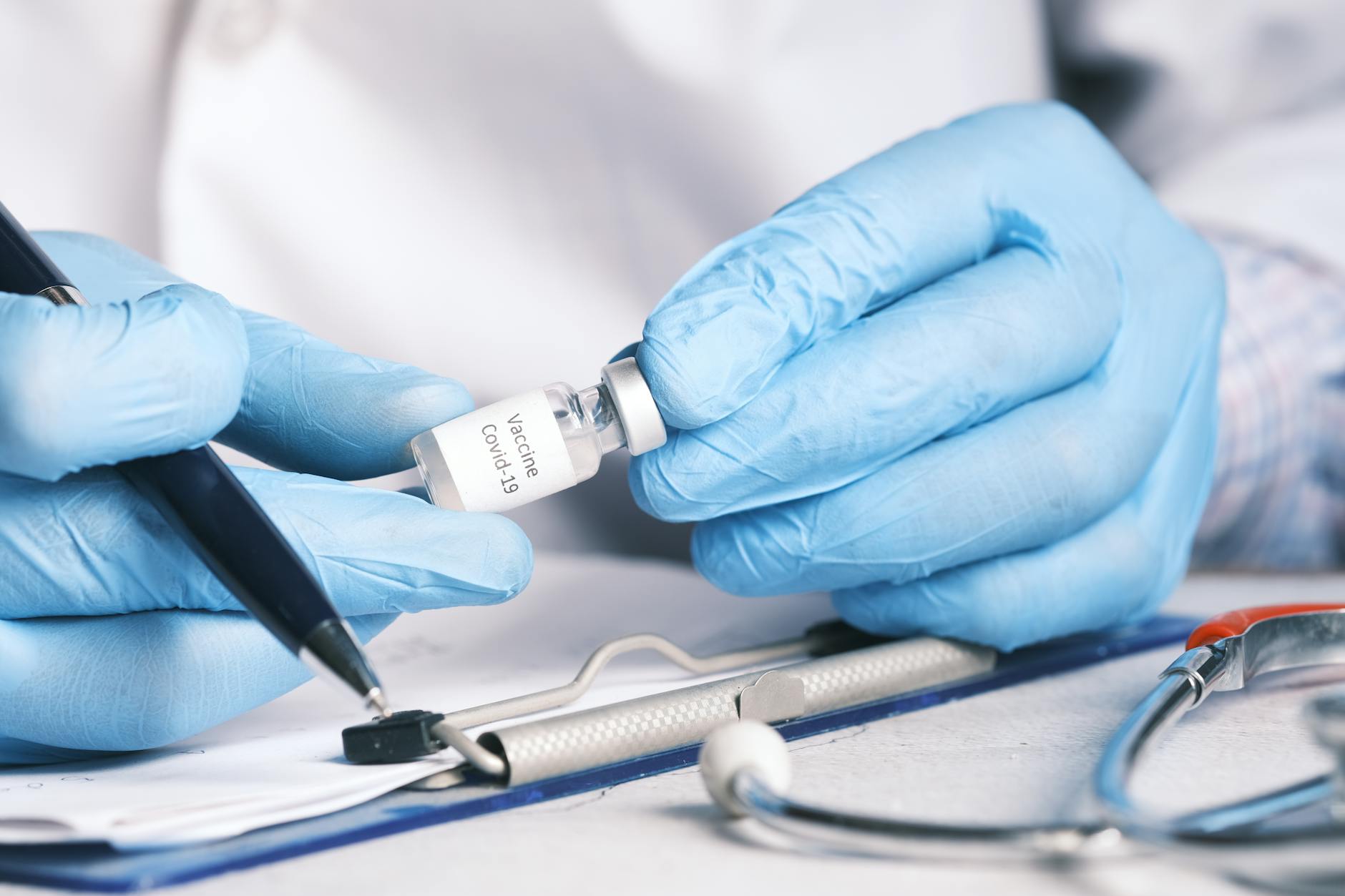
The Ebola virus has caused some of the most devastating outbreaks in modern history, with fatality rates that have reached as high as 90 percent in certain epidemics. Understanding how this virus works is critical not just for healthcare workers on the front lines but for anyone who wants to stay informed about global health threats. Here are ten facts that shed light on the science, spread, and treatment of this formidable pathogen.
1. The Ebola Virus Was First Identified in 1976
Scientists first recognized the Ebola virus during two simultaneous outbreaks in 1976, one in what is now the Democratic Republic of the Congo and the other in Sudan. The virus was named after the Ebola River near the Congolese outbreak site. Those early outbreaks killed hundreds of people and baffled researchers who had never seen anything quite like it. Since then, more than two dozen outbreaks have been documented across Africa, each providing new data about how the virus behaves. Knowing the history of Ebola virus outbreaks helps public health officials spot patterns and respond faster to future threats.
2. It Belongs to a Family Called Filoviridae
The Ebola virus is a member of the Filoviridae family, a group of thread-shaped viruses known for causing severe hemorrhagic fevers. There are six known species within the Ebolavirus genus, and they vary significantly in how lethal they are to humans. Zaire ebolavirus is the most dangerous, while Reston ebolavirus has not caused known illness in people. According to a NIH medical reference, understanding these distinct species is important for developing targeted diagnostics and treatments. If you hear about an Ebola outbreak, knowing which species is involved can tell you a lot about the potential severity.
3. It Spreads Through Direct Contact With Body Fluids
Unlike airborne viruses such as influenza, the Ebola virus spreads primarily through direct contact with the blood, saliva, sweat, or other body fluids of an infected person. It can also spread through contaminated surfaces like needles or bedding. This means healthcare workers and family caregivers face the highest risk of infection. The virus does not spread through casual contact like sitting near someone on a bus. Strict infection control measures, including gloves, gowns, and face shields, remain the most effective way to prevent transmission in clinical settings.
4. Symptoms Can Mimic Other Tropical Diseases
Early symptoms of Ebola virus disease often look a lot like malaria, typhoid fever, or even the flu. Patients typically experience sudden onset of fever, fatigue, muscle pain, and headache within two to 21 days of exposure. This overlap makes early diagnosis challenging, especially in regions where multiple tropical diseases are common. As the illness progresses, more distinctive symptoms like severe vomiting, diarrhea, and in some cases internal and external bleeding can appear. Seeking immediate medical attention at the first sign of illness after potential exposure is essential for improving outcomes.
5. The 2014 West African Outbreak Was the Largest in History
Between 2013 and 2016, West Africa experienced an Ebola outbreak of unprecedented scale, primarily affecting Guinea, Liberia, and Sierra Leone. More than 28,000 cases and 11,000 deaths were reported, dwarfing all previous outbreaks combined. The crisis overwhelmed local healthcare systems and triggered a global emergency response. Research conducted during this period, as analyzed by the NIH, generated crucial data on investigational treatments that would shape future therapeutic strategies. That outbreak underscored how quickly an infectious disease can spiral without robust public health infrastructure.
6. Fruit Bats Are Considered the Most Likely Natural Reservoir
Scientists have long suspected that fruit bats serve as the natural reservoir for the Ebola virus, harboring it without becoming visibly ill. The virus is thought to jump to humans through contact with infected animals, including bats, primates, and forest antelopes. Bushmeat hunting and handling are considered significant risk factors for initial spillover events. While researchers have found antibodies and genetic fragments of the virus in certain bat species, the exact mechanism of transmission from bats to humans is still being studied. Avoiding contact with wild animals in outbreak-prone regions is a practical step to reduce risk.
7. Two Monoclonal Antibody Treatments Have Shown Real Promise
One of the most significant breakthroughs in Ebola treatment involves two monoclonal antibody therapies known as REGN-EB3 and mAb114. A PubMed systematic review found that both treatments significantly reduce mortality in Ebola virus disease compared to standard care. These therapies work by targeting specific proteins on the virus, helping the immune system neutralize it more effectively. Their success in clinical trials marked a turning point, proving that targeted antiviral therapies for Ebola are not just possible but effective. Early administration of these treatments appears to offer the best chance of survival.
8. A Vaccine Now Exists and Has Been Deployed in Outbreaks
In 2019, the first Ebola vaccine, called Ervebo, received approval from the U.S. Food and Drug Administration. The vaccine targets the Zaire ebolavirus species and has been used in ring vaccination strategies during outbreaks in the Democratic Republic of the Congo. Clinical evidence shows it is highly effective at preventing infection when administered before exposure. A second vaccine regimen using two doses was later approved in Europe for broader preventive use. Vaccination efforts during active outbreaks have helped contain spread and protect frontline health workers.
9. Survivors Can Experience Long-Term Health Complications
Surviving Ebola virus disease does not always mean a full recovery. Many survivors report a collection of lingering symptoms that researchers call post-Ebola syndrome. These can include chronic joint pain, vision problems, headaches, and extreme fatigue that persist for months or even years. Research also suggests that the virus can remain in certain body compartments, such as the eyes and reproductive organs, long after it clears from the bloodstream. As noted in one NIH overview, understanding these long-term effects is critical for developing comprehensive survivor care programs. Follow-up medical care for Ebola survivors should be considered a public health priority.
10. Global Preparedness Has Improved but Still Has Gaps
The devastating outbreaks of the past two decades have pushed governments and international organizations to invest more in Ebola preparedness. Rapid response teams, stockpiled vaccines, and improved diagnostic tools are now part of the global arsenal. However, challenges remain, particularly in remote areas with limited healthcare infrastructure. Surveillance systems in outbreak-prone regions still need strengthening to detect cases before they become epidemics. Staying informed about how the Ebola virus works and supporting global health initiatives are small but meaningful ways to contribute to preparedness.
The Ebola virus continues to pose a serious threat in parts of the world, but advances in vaccines, treatments, and outbreak response have given scientists and healthcare workers powerful new tools. Staying educated about how this virus spreads and how it can be treated is one of the best things you can do to support both your own awareness and broader public health efforts.
Medical Disclaimer: This article is for informational purposes only and does not constitute medical advice. Always consult a qualified healthcare professional before making health decisions.




