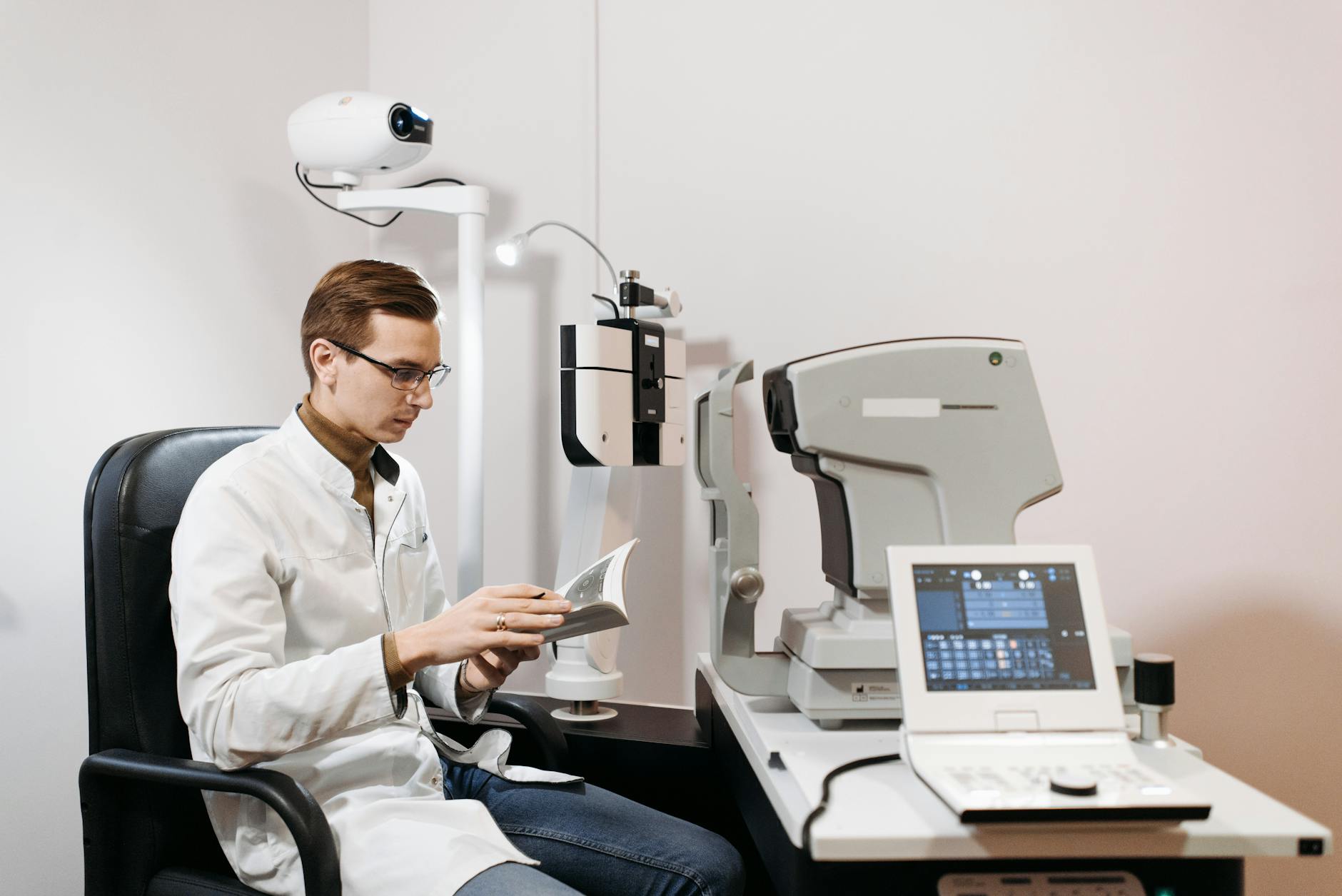
Hyperopia, commonly known as farsightedness, is one of the most widespread refractive errors in the world, affecting people from infancy through old age. Despite how common it is, many people live with uncorrected hyperopia without realizing it’s behind their headaches, eye strain, or reading difficulties. Here are ten essential facts that shed light on this often-misunderstood vision condition.
1. Hyperopia Is About Eye Shape, Not Eye Strength
Many people assume farsightedness means their eyes are simply weak. In reality, hyperopia occurs when the eyeball is slightly shorter than normal from front to back. This structural difference causes light rays to focus behind the retina instead of directly on it. The result is that nearby objects look blurry while distant objects may appear clearer. According to the NIH, hyperopia is a common refractive condition in both children and adults where proper assessment can prevent multiple complications. Understanding the anatomy behind it helps you appreciate why corrective lenses are shaped the way they are. If you’ve been told you’re farsighted, ask your eye doctor to explain your specific eye measurements at your next visit.
2. Children Can Have Hyperopia and Not Know It
Young eyes have a remarkable ability to compensate for mild to moderate farsightedness. The lens inside a child’s eye is flexible enough to adjust its shape and bring close objects into focus, a process called accommodation. This means a child may pass a basic vision screening while still struggling with uncorrected hyperopia. Over time, this constant effort can lead to eye strain, headaches, and difficulty concentrating in school. Research published in PubMed highlights significant variability in hyperopia prevalence among school-aged children, underscoring the need for thorough eye exams rather than simple screenings. Parents should schedule comprehensive eye exams for children starting around age three.
3. Farsightedness Can Hurt Academic Performance
Reading, writing, and working on tablets all require sharp near vision. When a child has uncorrected hyperopia, these everyday classroom tasks become exhausting. Studies indicate that children with uncorrected farsightedness tend to have poorer reading skills and educational performance compared to their peers with normal vision. The good news is that spectacle correction has been shown to improve reading speed noticeably. A child who seems disinterested in reading may simply be struggling to see the page clearly. If your child avoids close-up activities or complains of tired eyes, a vision check could reveal an easy fix.
4. It’s Different From Presbyopia
People often confuse hyperopia with presbyopia because both cause difficulty seeing up close. However, they stem from entirely different mechanisms. Hyperopia is related to the shape of the eyeball and can be present from birth. Presbyopia, on the other hand, develops after age forty as the eye’s natural lens loses elasticity. Someone with hyperopia may actually notice their close-up vision worsening even more once presbyopia sets in. Knowing the difference helps you understand why your prescription changes over time and what treatment options apply to your specific situation.
5. Mild Hyperopia Often Goes Undiagnosed in Adults
Adults with low levels of farsightedness may not realize they have it for years. Their eye muscles work overtime to compensate, keeping vision seemingly sharp. This hidden effort often manifests as chronic headaches, difficulty concentrating during prolonged reading, or eye fatigue at the end of the workday. Many adults attribute these symptoms to screen time or stress rather than a refractive error. A comprehensive eye exam with dilation or cycloplegic refraction can reveal what a standard chart test might miss. If unexplained headaches are part of your daily life, consider booking an eye appointment.
6. Glasses and Contacts Correct It Effectively
The most straightforward treatment for hyperopia involves convex corrective lenses. These lenses are thicker in the center and bend light inward so it focuses properly on the retina. Both eyeglasses and contact lenses can provide crisp, comfortable vision for people with farsightedness. Research confirms that optical correction in school-aged children improves vision, visual function, and academic performance. Modern lens technology has made glasses lighter and more aesthetically appealing than ever. Talk with your optometrist about the best lens type for your lifestyle and degree of hyperopia.
7. Laser Surgery Can Be an Option
LASIK and other refractive surgeries are well known for treating nearsightedness, but they can also address hyperopia. During the procedure, a laser reshapes the cornea to improve how light enters the eye. Clinical evidence shows that outcomes are generally positive, though results may be less predictable for higher degrees of farsightedness. Not everyone is a good candidate, and factors like corneal thickness, overall eye health, and age play a role. Recovery is typically quick, with many patients noticing improved vision within a day or two. Consult a refractive surgeon to learn if your hyperopia falls within the treatable range.
8. Untreated Hyperopia Can Lead to Other Eye Problems
Leaving significant hyperopia uncorrected doesn’t just cause blurry vision. In children, it can contribute to amblyopia, sometimes called lazy eye, where one eye fails to develop normal visual acuity. It can also lead to strabismus, a condition where the eyes don’t properly align. Adults with uncorrected farsightedness may face an increased risk of angle-closure glaucoma because their shorter eyeballs create narrower drainage angles. These potential complications make early detection and treatment critically important. Regular eye exams are your best defense against letting a simple refractive error snowball into something more serious.
9. Genetics Play a Strong Role
If one or both of your parents are farsighted, your chances of having hyperopia increase considerably. Research suggests that refractive errors have a significant hereditary component, with multiple genes influencing eyeball length and corneal curvature. Environmental factors, such as time spent outdoors during childhood, may also play a supporting role. However, genetics remain the most consistent predictor of who develops farsightedness. This family connection makes it especially important for parents with hyperopia to have their children screened early. Knowing your family eye history gives your doctor valuable context for monitoring your vision over time.
10. Hyperopia Can Change Over a Lifetime
Farsightedness isn’t a static condition. Most babies are born with some degree of hyperopia, which often decreases as the eye grows during childhood through a process called emmetropization. For many people, mild farsightedness stabilizes in early adulthood. However, the ability to compensate weakens with age, making symptoms more noticeable in your thirties and forties. Some individuals also experience a gradual increase in hyperopia as they age. This is why eye doctors recommend periodic exams even if your vision seems fine. Staying proactive ensures your prescription stays current and your eyes remain healthy.
Hyperopia is far more nuanced than most people realize, affecting comfort, learning, and long-term eye health across every stage of life. Whether you’re a parent watching for signs in your child or an adult dealing with unexplained eye strain, a comprehensive eye exam is the single best step you can take. Early detection and proper correction can make a remarkable difference in daily quality of life.
Medical Disclaimer: This article is for informational purposes only and does not constitute medical advice. Always consult a qualified healthcare professional before making health decisions.




