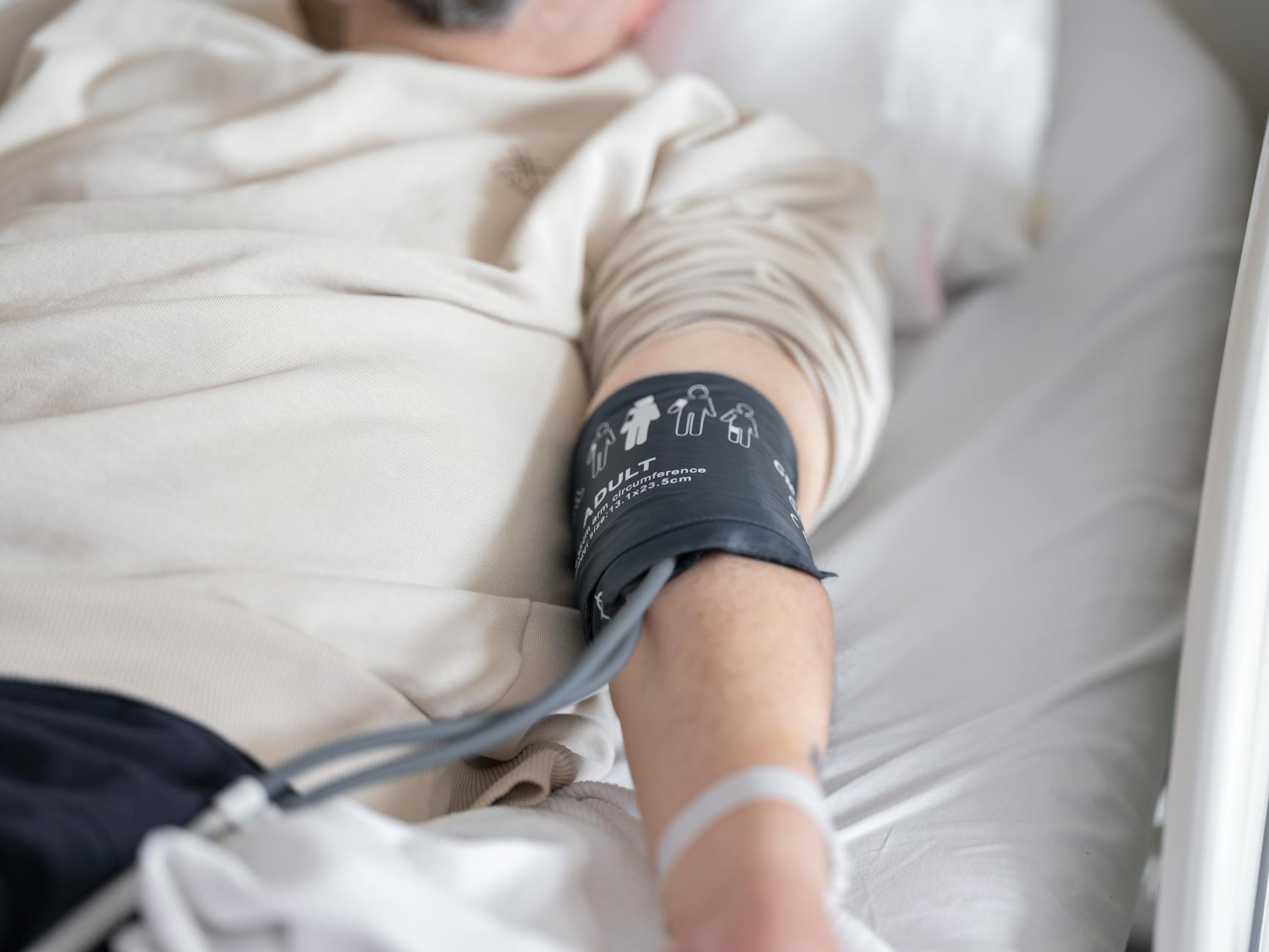
While high blood pressure dominates health headlines, millions of people quietly struggle with the opposite problem. Low blood pressure, or hypotension, affects people of all ages and can cause symptoms ranging from mild dizziness to dangerous fainting episodes. Understanding what drives those numbers down — and when to worry — can help you take smarter steps toward protecting your health.
1. There’s No Universal “Too Low” Number
Unlike high blood pressure, which has clear clinical thresholds, low blood pressure doesn’t have a single universally agreed-upon cutoff. Most doctors consider a reading below 90/60 mmHg to be hypotension. However, some people naturally run lower without any symptoms at all. What matters more than the number itself is how you feel. If your readings consistently sit below 90/60 and you experience dizziness, fatigue, or fainting, that’s when your doctor will likely investigate further. Research even suggests that systolic blood pressure below 110 mmHg in treated patients is associated with increased risk of serious falls and syncope. The takeaway: always pair your readings with an honest assessment of your symptoms.
2. Dehydration Is a Leading Trigger
One of the most common — and most preventable — causes of low blood pressure is simple dehydration. When your body loses more fluid than it takes in, blood volume drops. Less blood volume means less pressure pushing against artery walls. This is especially common during hot weather, intense exercise, or bouts of illness involving vomiting or diarrhea. Even mild dehydration can cause noticeable dips in blood pressure for some people. Older adults are particularly vulnerable because thirst signals weaken with age. A practical step is to keep a water bottle handy throughout the day and increase your intake when you’re active or unwell.
3. Standing Up Too Fast Has a Clinical Name
That head rush you feel when you stand up quickly isn’t just a random quirk. It’s called orthostatic hypotension, and it happens when your body can’t adjust blood pressure fast enough to compensate for gravity. Blood temporarily pools in your legs, reducing the supply reaching your brain. For most people, this is a fleeting inconvenience. But for others, especially older adults or those on certain medications, it can lead to falls and injuries. Studies indicate that orthostatic hypotension is an important consideration when managing cardiovascular risk. Rising slowly and pausing at the edge of your bed before standing can make a real difference.
4. Some Medications Can Drive It Down
A wide range of prescription drugs can lower blood pressure as either a primary effect or an unwanted side effect. Diuretics, beta-blockers, antidepressants, and drugs for Parkinson’s disease are common culprits. Even medications for erectile dysfunction can cause significant drops. If you’ve recently started a new medication and notice dizziness or lightheadedness, the timing may not be a coincidence. Never stop or adjust a prescription on your own. Instead, bring your concerns to your prescribing doctor so they can review your dosage or explore alternatives.
5. Your Heart Can Be the Hidden Cause
Low blood pressure sometimes signals an underlying heart condition. Extremely slow heart rate, heart valve problems, and heart failure can all reduce the heart’s ability to pump blood effectively. When the heart can’t maintain adequate output, blood pressure naturally falls. These cardiac causes tend to produce additional symptoms like chest pain, shortness of breath, or irregular heartbeat. Clinical evidence shows that low blood pressure linked to heart issues requires prompt evaluation. If your hypotension comes with any chest symptoms, treat it as a reason to seek medical attention rather than something to monitor at home.
6. Eating a Meal Can Trigger a Drop
Postprandial hypotension is a little-known condition where blood pressure falls significantly after eating. During digestion, your body sends extra blood to the stomach and intestines. Normally, your heart rate increases and blood vessels constrict to compensate. But in some people, especially older adults and those with Parkinson’s disease or diabetes, this compensation fails. The result is dizziness, faintness, or even falls within one to two hours after a meal. Eating smaller, more frequent meals and limiting high-carbohydrate foods may help reduce these episodes. Staying seated for a short time after eating is another simple strategy.
7. It Can Affect Your Mental Health
Most people associate low blood pressure with physical symptoms, but the effects can extend to mental well-being too. Chronic hypotension has been linked to fatigue, difficulty concentrating, and a general feeling of mental fog. Research suggests that lower blood pressure levels are independently associated with poorer self-rated physical and mental health. People living with persistently low readings may feel unmotivated or emotionally flat without realizing their blood pressure could be a contributing factor. If brain fog and low energy are part of your daily experience, mentioning your blood pressure to your doctor could open the door to helpful solutions.
8. Pregnancy Often Brings It On
Blood pressure commonly drops during pregnancy, particularly in the first and second trimesters. The circulatory system expands rapidly to supply the growing baby, and blood vessels dilate in response to hormonal changes. This expansion can outpace the body’s ability to maintain pressure, leading to dizziness and fatigue. For most pregnant women, this is a normal and temporary shift. However, sudden or severe drops deserve medical attention since they can sometimes signal ectopic pregnancy or other complications. Staying well-hydrated and avoiding long periods of standing can help manage mild pregnancy-related hypotension.
9. Severe Low Blood Pressure Is a Medical Emergency
When blood pressure drops to dangerously low levels, the condition becomes life-threatening. This is known as shock, and it can result from severe infection, massive blood loss, allergic reactions, or extreme dehydration. In shock, organs don’t receive enough blood to function properly. Symptoms include confusion, rapid breathing, cold and clammy skin, and a weak pulse. Without immediate treatment, organ damage or death can follow. This is an entirely different situation from chronic mild hypotension. If someone shows signs of shock, calling emergency services immediately is the most important action you can take.
10. Lifestyle Changes Can Make a Real Difference
For many people with low blood pressure, small daily adjustments can significantly improve quality of life. Increasing salt intake slightly, wearing compression stockings, and staying hydrated are all strategies that clinical evidence supports. Elevating the head of your bed by a few inches may reduce morning episodes of orthostatic hypotension. Regular but moderate exercise helps train your cardiovascular system to regulate pressure more effectively. Avoiding prolonged standing, crossing your legs while seated, and eating smaller meals all play supportive roles. Talk to your healthcare provider about which combination of strategies fits your specific situation best.
Low blood pressure may not grab the same headlines as hypertension, but it deserves your attention — especially when symptoms interfere with daily life. Start by tracking your readings and symptoms, then share that information with your doctor to build a plan tailored to your needs.
Medical Disclaimer: This article is for informational purposes only and does not constitute medical advice. Always consult a qualified healthcare professional before making health decisions.




