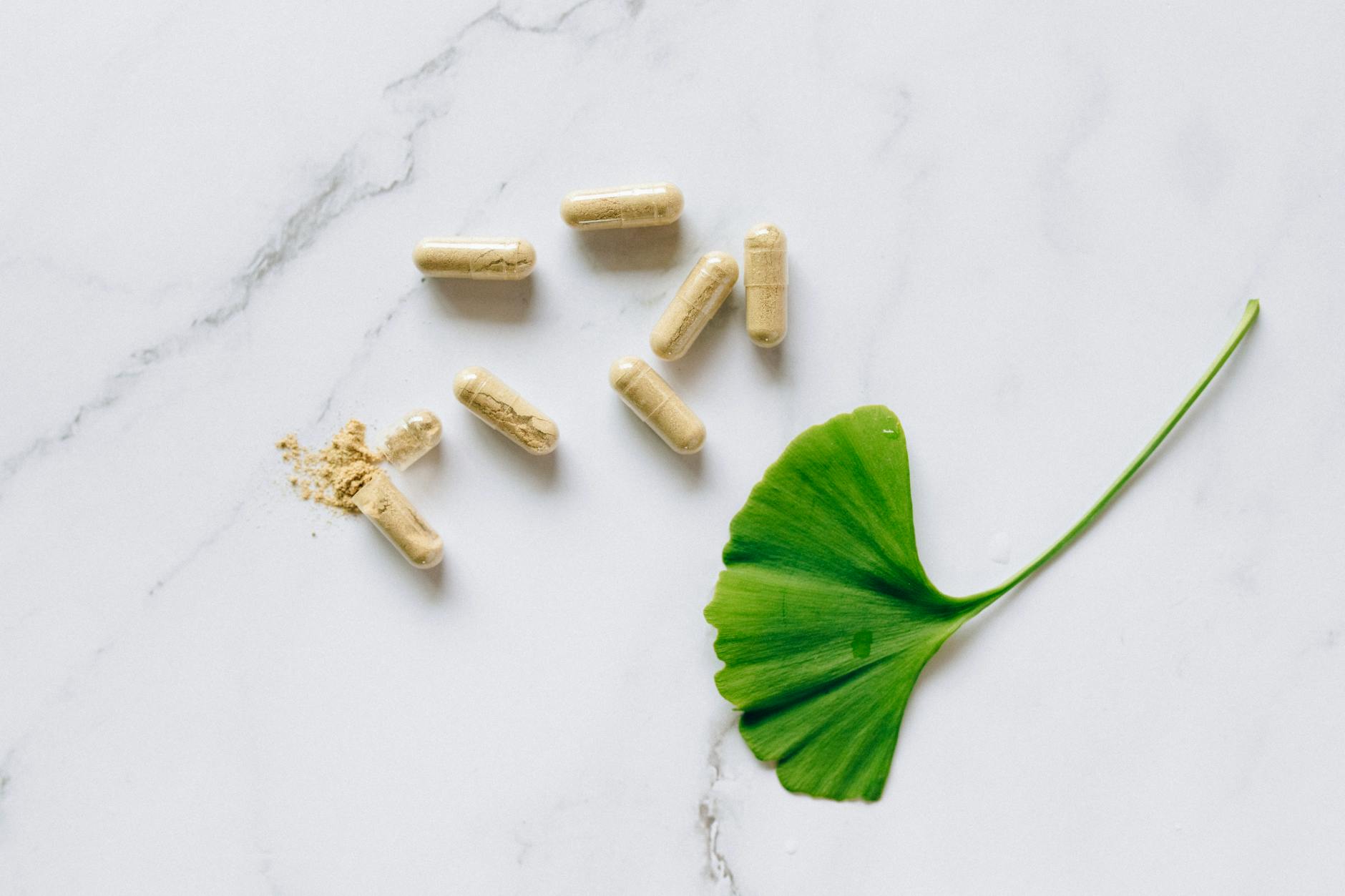
Milk thistle is one of the most widely used herbal supplements in the world, with millions of people taking it each year for liver support and overall wellness. If you’ve ever wondered what is milk thistle and whether it actually lives up to the hype, the answers may surprise you. Here are ten essential facts that separate the science from the folklore.
1. It’s a Flowering Plant With Ancient Roots
Milk thistle, scientifically known as Silybum marianum, is a spiny purple flowering plant native to Mediterranean regions. People have used it as a herbal remedy for over 2,000 years. Ancient Greek physicians documented its use for liver and bile problems. The plant gets its distinctive name from the milky white veins running through its large, prickly leaves. Today it grows throughout Europe, North America, and parts of South America. You can find milk thistle sold as capsules, extracts, tinctures, and teas in nearly every health food store. If you’re exploring herbal supplements, understanding its long history provides helpful context for modern claims.
2. Its Active Compound Is Called Silymarin
The real power behind milk thistle lies in a group of flavonolignans collectively called silymarin. This compound is extracted primarily from the seeds of the plant. According to the NIH, silymarin contains several components, with silybin being the most biologically active. Silybin is believed to be responsible for most of milk thistle’s potential health effects. Standardized milk thistle supplements typically contain 70 to 80 percent silymarin. When shopping for a milk thistle product, checking the silymarin content on the label can help you gauge its potency and quality.
3. It’s Most Famous for Liver Support
When people ask what is milk thistle used for, liver health tops the list. Research suggests that silymarin may help protect liver cells from damage caused by toxins, alcohol, and certain medications. It has been studied as a complementary therapy for conditions like hepatitis, cirrhosis, and fatty liver disease. Some practitioners in Europe actually prescribe it alongside conventional treatments for liver problems. However, its effectiveness varies depending on the specific liver condition being treated. If you have liver concerns, talking to your doctor about whether milk thistle might complement your treatment plan is a smart first step.
4. It Works Through Multiple Protective Mechanisms
Milk thistle doesn’t rely on a single trick to support liver health. Studies indicate that it exhibits hepatoprotective effects through several different pathways. According to NIH research, these mechanisms include strong antioxidant activity, blocking toxins from entering liver cells, and stimulating protein synthesis to help repair damaged tissue. Silymarin also appears to reduce inflammation within the liver. This multi-pronged approach is one reason researchers remain interested in the plant. Understanding how it works can help you have more informed conversations with your healthcare provider about its potential role in your wellness routine.
5. The Research Is Promising but Mixed
Here’s where honesty matters. While many studies show encouraging results, the overall body of evidence is not entirely clear-cut. A comprehensive review published on PubMed found that milk thistle appears safe and well-tolerated but shows no significant reduction in mortality or consistent improvements in liver histology for chronic liver disease. Some trials suggest potential survival benefits, while others show minimal measurable impact. The variation in study designs, dosages, and patient populations makes it hard to draw firm conclusions. This doesn’t mean milk thistle is useless, but it does mean managing your expectations is important.
6. It Has a Strong Safety Profile
One of milk thistle’s most reassuring qualities is how well most people tolerate it. Clinical trials consistently show that side effects are generally mild and uncommon. The most frequently reported issues include minor digestive symptoms like bloating, nausea, or an upset stomach. Allergic reactions are possible, especially in people sensitive to plants in the Asteraceae family, which includes ragweed and daisies. As PubMed research indicates, milk thistle is safe with minimal adverse effects across multiple clinical trials. Still, always check with your doctor before starting any new supplement, particularly if you take prescription medications.
7. It May Offer Benefits Beyond the Liver
Researchers are increasingly looking at milk thistle for conditions well beyond liver disease. Early evidence suggests silymarin may have protective effects against certain types of cancer by inhibiting cell growth. Some studies have explored its potential role in managing type 2 diabetes by improving insulin resistance and blood sugar control. There is also preliminary research into its effects on high cholesterol levels. These areas of investigation are still in relatively early stages, and more rigorous human trials are needed. However, the breadth of research interest speaks to the compound’s versatile biological activity.
8. It Can Interact With Certain Medications
Despite its strong safety record, milk thistle isn’t entirely without risks. Silymarin can affect how your liver processes certain drugs, potentially altering their effectiveness. Medications metabolized by cytochrome P450 enzymes may be particularly affected. This includes some statins, anti-anxiety medications, and blood thinners. People undergoing cancer treatment should exercise special caution, as milk thistle could theoretically interfere with chemotherapy drugs. Hormone-sensitive conditions may also warrant caution since silymarin has weak estrogenic properties. Sharing your full supplement list with your pharmacist or doctor is the safest way to avoid unwanted interactions.
9. Dosage Varies Widely Across Products
There is no universally agreed-upon dosage for milk thistle, which can make choosing a product confusing. Most clinical studies have used doses ranging from 140 to 800 milligrams of silymarin per day, divided into two or three doses. Over-the-counter supplements vary significantly in their silymarin concentration and formulation. Some newer products use phospholipid complexes to improve absorption. The lack of standardization across brands means quality can differ dramatically from one bottle to the next. Choosing a product that has been third-party tested for purity and potency can help ensure you’re getting what the label promises.
10. It’s Not a Substitute for Medical Treatment
Perhaps the most important fact about milk thistle is what it cannot do. No herbal supplement should replace evidence-based medical care for serious liver conditions. Milk thistle may serve as a complementary approach, but it has not been proven to cure hepatitis, reverse cirrhosis, or treat liver cancer on its own. Relying on supplements instead of proven treatments can lead to dangerous delays in care. Think of milk thistle as one potential tool in a broader health strategy. The best approach is always to work with a qualified healthcare provider who can help you weigh the evidence for your specific situation.
Milk thistle is a fascinating herbal supplement with a rich history and genuine scientific interest behind it, even if the evidence doesn’t support every claim. If you’re curious about trying it, start by having an open conversation with your doctor about whether it makes sense for your individual health needs. Small, informed steps are always the best path forward.
Medical Disclaimer: This article is for informational purposes only and does not constitute medical advice. Always consult a qualified healthcare professional before making health decisions.




