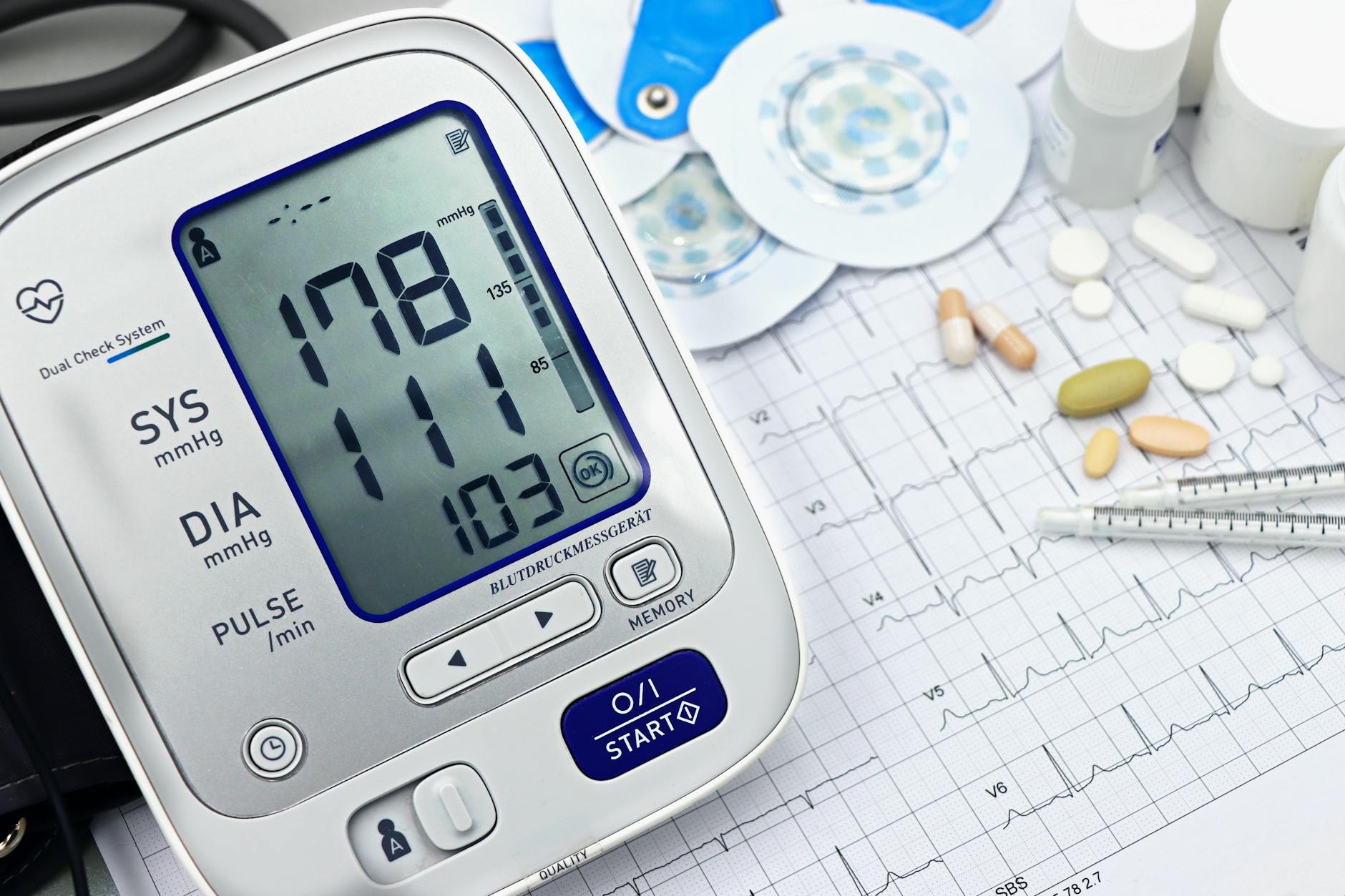
Nearly half of all American adults have blood pressure readings that fall outside the healthy range, yet many don’t know what “normal” actually looks like. Understanding your numbers is one of the simplest steps you can take to protect your heart and overall health. These ten facts will help you decode your readings and keep your cardiovascular system in good shape.
1. The Standard Benchmark Is Below 120/80 mmHg
When healthcare providers talk about normal blood pressure, they’re referring to a reading below 120 millimeters of mercury for systolic and below 80 for diastolic. Systolic measures the force when your heart beats, while diastolic captures the pressure between beats. According to the NIH, anything at or above 120/80 starts moving into elevated territory. This means “normal” is not exactly 120/80 — it’s actually anything comfortably below it. Knowing this distinction helps you set a more accurate health target rather than aiming for the ceiling of the healthy range.
2. Optimal Pressure May Be Even Lower Than You Think
Research suggests that the sweet spot for cardiovascular protection sits well below the standard cutoff. A large-scale analysis found that a blood pressure of 115/75 mmHg is associated with minimal vascular risk at a population level. This doesn’t mean everyone needs to hit that exact number. However, it does highlight that lower readings, within reason, generally correspond to healthier arteries. If your reading consistently lands around 115/75, your heart is likely in a strong position.
3. Your Blood Pressure Changes Throughout the Day
Blood pressure is not a fixed number. It naturally rises and falls depending on activity, stress, and even the time of day. Studies indicate that daytime ambulatory pressure in healthy individuals averages around 123/76 mmHg, while nighttime readings drop to roughly 106/64 mmHg. This nighttime dip is actually a sign of healthy cardiovascular function. A single reading at the doctor’s office captures only one moment, which is why tracking trends over time gives a much more reliable picture.
4. White Coat Syndrome Can Distort Your Numbers
Feeling nervous at the doctor’s office is common, and that anxiety can temporarily spike your blood pressure. This phenomenon, known as white coat hypertension, can push an otherwise normal reading into elevated or even high territory. Clinical evidence shows it affects roughly 15 to 30 percent of people who get readings taken in medical settings. If your doctor suspects white coat syndrome, they may recommend at-home monitoring or 24-hour ambulatory testing. Getting an accurate baseline matters because unnecessary medication based on inflated readings is something worth avoiding.
5. Age Affects What “Normal” Looks Like
Blood vessels naturally stiffen with age, which tends to push systolic numbers higher over time. A reading of 110/70 might be perfectly typical for a healthy 25-year-old but less common in a 65-year-old. While the clinical definition of normal blood pressure stays consistent across age groups, your physician may factor in age-related changes when evaluating your risk. This is why regular checkups become increasingly important as you get older. Staying proactive about monitoring helps catch gradual shifts before they become serious.
6. Both Numbers in the Reading Matter
Many people focus on the top number and overlook the bottom one, but both systolic and diastolic values carry important information. Elevated systolic pressure is a major risk factor for stroke and heart attack, especially in older adults. Meanwhile, high diastolic pressure can signal problems in younger individuals and may indicate stiffened smaller blood vessels. A reading where either number crosses the threshold deserves attention. Ask your healthcare provider to explain both figures so you understand your complete cardiovascular picture.
7. Normal Blood Pressure Differs Between Arms
It might surprise you to learn that blood pressure can vary between your left and right arms. A small difference of up to 10 mmHg is generally considered harmless and fairly common. However, a consistent gap larger than that may point to circulatory issues such as peripheral artery disease. Research suggests that significant arm-to-arm differences are worth investigating further. Next time you check your pressure, try measuring both arms and share any notable differences with your doctor.
8. Exercise Temporarily Raises Your Pressure — And That’s Okay
During a workout, your systolic blood pressure can climb to 200 mmHg or higher, even in healthy people. This temporary spike is a normal physiological response as your heart pumps harder to deliver oxygen to working muscles. What matters more is how quickly your pressure returns to a resting level after exercise. A healthy recovery typically brings numbers back to baseline within a few minutes. Ironically, regular physical activity is one of the most effective long-term strategies for keeping resting blood pressure in the normal range.
9. Diet Plays a Powerful Role in Maintaining Healthy Readings
What you eat directly influences where your blood pressure lands on the scale. The DASH diet, which emphasizes fruits, vegetables, whole grains, and low-sodium foods, has been shown in clinical trials to lower systolic pressure by 8 to 14 points. Potassium-rich foods like bananas, sweet potatoes, and spinach help balance sodium levels in the body. Reducing processed food intake is one of the simplest dietary shifts you can make. Even modest changes in eating habits can help keep your numbers solidly in the normal blood pressure range over time.
10. Consistent Monitoring Is the Best Defense
High blood pressure rarely causes noticeable symptoms, which is why it’s often called the silent killer. You can feel perfectly fine while your numbers creep into dangerous territory. Home blood pressure monitors are affordable, widely available, and surprisingly easy to use. The NIH defines normal blood pressure as systolic less than 120 mmHg and diastolic less than 80 mmHg, giving you a clear benchmark to measure against. Making monitoring a weekly habit puts you in the best position to catch changes early and take action before problems develop.
Understanding what normal blood pressure truly means goes far beyond memorizing a single number. By tracking your readings regularly, eating a heart-friendly diet, and staying physically active, you give yourself the strongest foundation for long-term cardiovascular health. Start by checking your blood pressure this week and sharing the results with your healthcare provider.
Medical Disclaimer: This article is for informational purposes only and does not constitute medical advice. Always consult a qualified healthcare professional before making health decisions.




