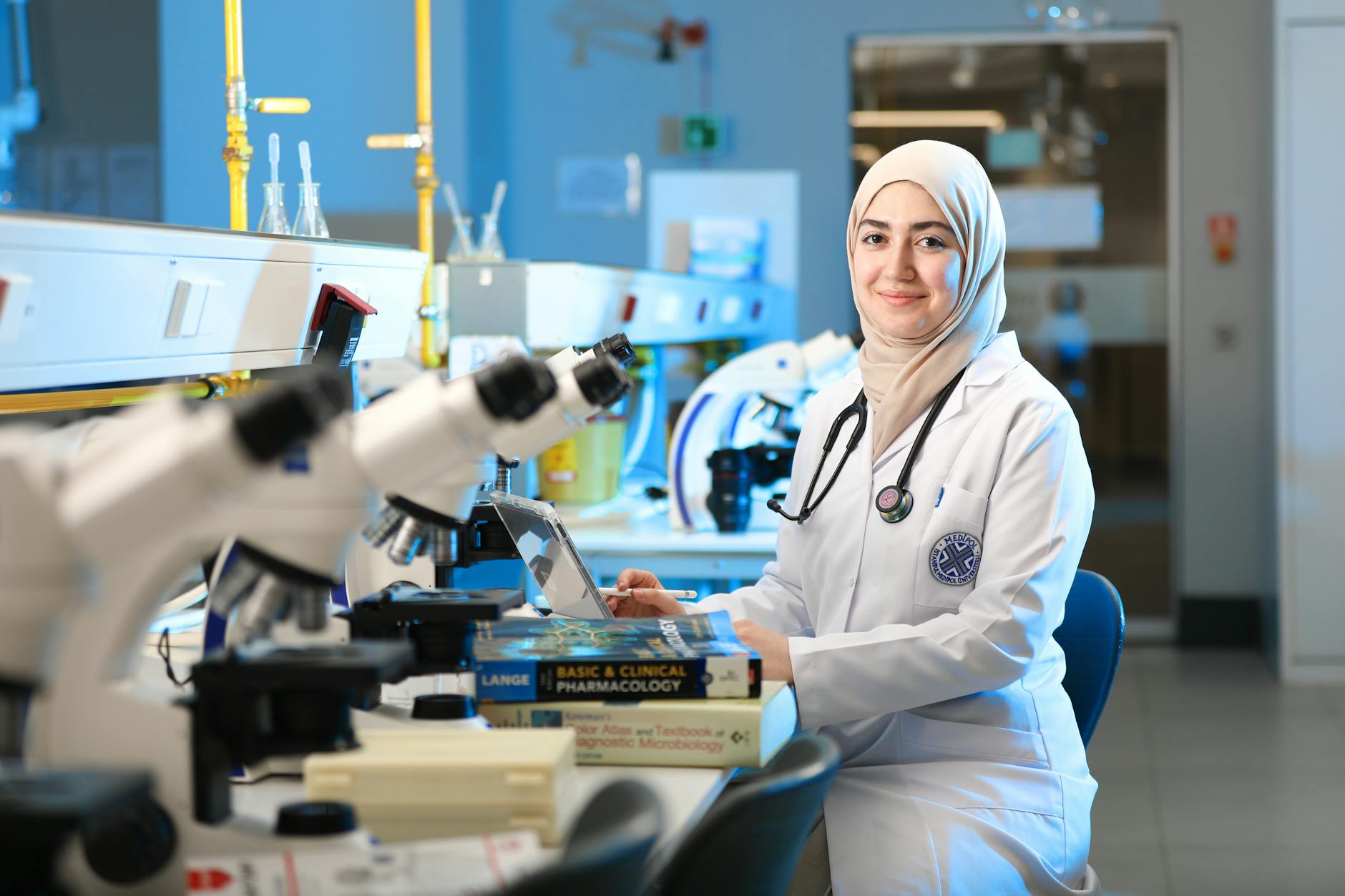
Staphylococcus aureus lives on the skin or inside the noses of roughly 30 percent of healthy adults at any given time. Despite being so common, this bacterium is responsible for a wide spectrum of infections — from minor skin boils to life-threatening bloodstream infections. Understanding how it behaves can help you protect yourself and your family.
1. It Lives on Healthy People Without Causing Harm
Staphylococcus aureus is what scientists call a commensal organism. That means it can quietly colonize your skin, nostrils, and throat without triggering any symptoms. Research suggests the anterior nares — just inside your nostrils — are the most common colonization site. Some people carry it temporarily, while others harbor the bacterium persistently for years. According to PubMed, colonization dynamics play a critical role in understanding who is most vulnerable to infection. The trouble starts when the bacterium finds a way past the skin barrier through cuts, surgical wounds, or medical devices. If you work in healthcare or have frequent hospital visits, knowing your carrier status can be a valuable first step toward prevention.
2. Skin Infections Are Its Most Common Calling Card
Boils, impetigo, cellulitis, and abscesses are among the most frequently reported staphylococcus aureus infections worldwide. These skin and soft-tissue infections often begin as a small red bump that swells, fills with pus, and becomes painful. Warm, moist areas like the armpits, groin, and behind the knees are especially vulnerable. Most minor skin infections respond well to drainage and sometimes topical antibiotics. However, any skin infection that spreads rapidly, is accompanied by fever, or does not improve within a few days warrants prompt medical attention. Keeping wounds clean and covered is one of the simplest ways to reduce your risk.
3. MRSA Is Its Most Feared Form
Methicillin-resistant Staphylococcus aureus, or MRSA, is a strain that has developed resistance to many common antibiotics. This makes infections significantly harder to treat and potentially more dangerous. MRSA can spread in hospitals as well as in community settings like gyms and locker rooms. According to NIH/NCBI, molecular mechanisms behind this resistance involve the mecA gene, which alters how the bacterium builds its cell wall. Clinical evidence shows that healthcare-associated MRSA rates have declined thanks to stricter hygiene protocols, but community-acquired cases remain a concern. Practicing good hand hygiene and avoiding the sharing of personal items like razors and towels are practical ways to lower your exposure.
4. Bloodstream Infections Can Be Life-Threatening
When staphylococcus aureus enters the bloodstream, the condition is known as bacteremia. This is far more serious than a skin infection and can lead to sepsis, endocarditis, or organ failure. Studies indicate that S. aureus bacteremia carries significant mortality, with PubMed reporting notable case fatality rates and frequent metastatic infection patterns. Hospitalized patients with central lines, surgical wounds, or weakened immune systems face the highest risk. Early detection through blood cultures and aggressive intravenous antibiotic therapy are essential. If you or a loved one develops a high fever with chills after a hospital procedure, seek medical care immediately.
5. It Produces Powerful Toxins
One reason staphylococcus aureus causes such varied illness is its arsenal of toxins. These include hemolysins that destroy red blood cells, leukocidins that kill white blood cells, and enterotoxins that trigger food poisoning. The toxin known as TSST-1 is responsible for toxic shock syndrome, a rare but potentially fatal condition. Some strains also produce Panton-Valentine leukocidin, linked to severe skin and lung infections in otherwise healthy young people. Research suggests these toxins allow the bacterium to evade the immune system effectively. Understanding that this single species can weaponize so many different molecules helps explain why it remains a top public health priority.
6. It Forms Stubborn Biofilms
Staphylococcus aureus can coat medical devices like joint replacements, heart valves, and catheters in a slimy protective layer called a biofilm. Inside a biofilm, bacteria are shielded from antibiotics and the immune system alike. This makes device-related infections notoriously difficult to clear without removing the implant entirely. Research published in PubMed highlights biofilm formation as a key virulence mechanism driving chronic and relapsing infections. Biofilms are also a major concern in chronic wound care. If you have an implanted medical device and develop unexplained fever or pain near the site, report it to your doctor promptly.
7. Food Poisoning Can Strike Within Hours
Staphylococcal food poisoning is one of the fastest-acting foodborne illnesses. Symptoms like nausea, vomiting, and cramping can appear within one to six hours of eating contaminated food. The culprit is a heat-stable enterotoxin produced by the bacterium before you even take a bite. Cooking the food afterward does not destroy the toxin. Dairy products, meats, salads, and cream-filled pastries left at room temperature are common vehicles. Most cases resolve on their own within 24 to 48 hours, though dehydration can be a risk for young children and older adults. Refrigerating food promptly and practicing proper hand hygiene while cooking are your best defenses.
8. Hand Hygiene Is the Single Best Defense
Despite all the sophisticated research into vaccines and novel antibiotics, hand washing remains the most effective way to prevent staphylococcus aureus transmission. Clinical evidence shows that consistent hand hygiene in hospitals has directly reduced infection rates. Washing with soap and water for at least 20 seconds mechanically removes bacteria from the skin surface. Alcohol-based hand sanitizers also work well when soap is not available. Healthcare workers, caregivers, and anyone visiting a hospital should prioritize this simple habit. Teaching children proper hand-washing technique early creates a protective behavior that lasts a lifetime.
9. Antibiotic Stewardship Matters More Than Ever
The rise of drug-resistant strains like MRSA is directly tied to the overuse and misuse of antibiotics. Every unnecessary prescription creates selective pressure that helps resistant bacteria thrive. Studies indicate that antibiotic stewardship programs in hospitals — which ensure the right drug, dose, and duration — have measurably slowed resistance trends. On a personal level, you can contribute by never pressuring your doctor for antibiotics when a viral infection is suspected. Always finish a prescribed course, even if you feel better halfway through. These small choices collectively help preserve the effectiveness of antibiotics for future generations.
10. A Vaccine Is Still on the Horizon
Despite decades of research, there is currently no approved vaccine against staphylococcus aureus. The bacterium’s ability to evade the immune system through multiple strategies has made vaccine development exceptionally challenging. Several candidates have reached advanced clinical trials only to fall short of efficacy targets. However, researchers are exploring novel approaches including multi-antigen formulas and toxoid-based strategies. Phase 3 trial data continue to inform next-generation designs. While waiting for a breakthrough, the best protection remains a combination of hygiene, wound care, and responsible antibiotic use — strategies anyone can start practicing today.
Staphylococcus aureus is a remarkably adaptable bacterium that demands our respect and awareness. From simple handwashing to understanding when to seek medical care, knowledge is your most powerful tool. Talk with your healthcare provider about your personal risk factors, especially if you have chronic conditions or upcoming surgical procedures.
Medical Disclaimer: This article is for informational purposes only and does not constitute medical advice. Always consult a qualified healthcare professional before making health decisions.




