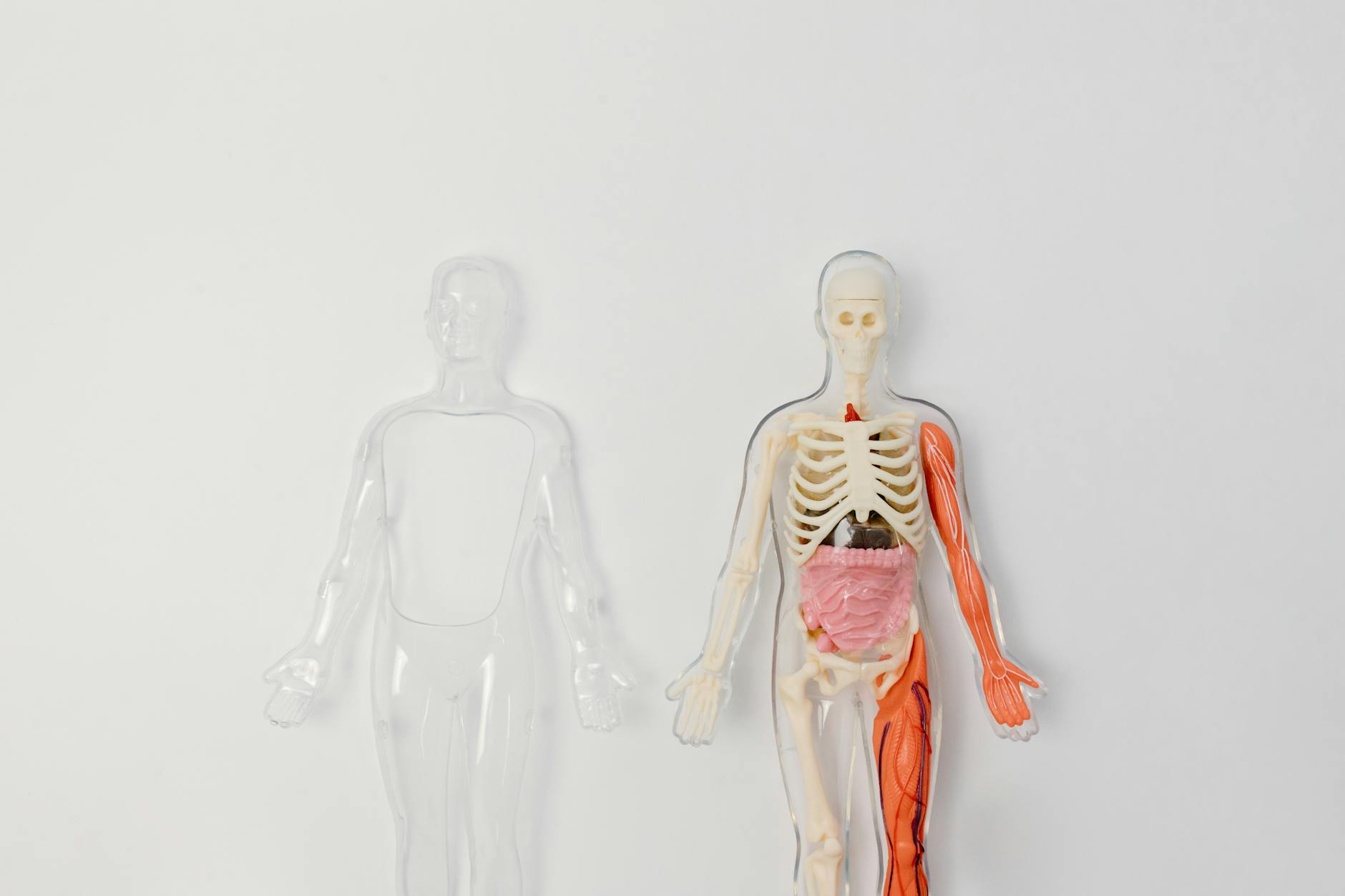
Most people can name their heart, lungs, and liver — but the spleen rarely gets the same attention. Yet this fist-sized organ quietly performs essential tasks that keep your blood clean and your immune system sharp. Understanding what the spleen is and how it works can help you recognize warning signs and appreciate a remarkable part of your body.
1. It Is the Largest Organ of the Lymphatic System
If you have ever wondered what is spleen and why it matters, the answer starts with its impressive size. According to PubMed, the spleen is the largest organ of the lymphatic system. It sits in the left upper abdomen, tucked between the stomach and the diaphragm. Roughly the size of your fist, it weighs about 150 to 200 grams in a healthy adult. Despite its relatively small footprint, it handles a surprising volume of blood every single day. Think of it as a quiet workhorse that deserves far more credit than it typically receives.
2. Its Primary Job Is Filtering Your Blood
The spleen acts like a sophisticated filter for your bloodstream. Every minute, blood flows through the organ so it can screen for damaged or aging red blood cells. Once identified, those worn-out cells are broken down and recycled. The iron from old red blood cells gets sent back to the bone marrow to create fresh ones. This constant recycling process helps keep your blood healthy and oxygen-rich. Without this filtering action, damaged cells would circulate longer and potentially cause problems throughout the body.
3. It Plays a Major Role in Your Immune Defense
Beyond blood filtration, the spleen is a critical player in immune function. As noted by the NIH, the spleen is part of the lymphatic system that fights infection and maintains body fluid balance. It contains specialized white blood cells that detect bacteria, viruses, and other harmful invaders. When a threat is identified, the spleen helps launch an immune response quickly. Research suggests it is especially important in defending against encapsulated bacteria like pneumococcus. Supporting overall immune health starts with appreciating the organs that protect you behind the scenes.
4. It Produces White Blood Cells and Antibodies
Your spleen is essentially a factory for key immune components. It produces lymphocytes, a type of white blood cell that targets specific pathogens. These lymphocytes also generate antibodies that tag harmful invaders for destruction. According to the NIH, the spleen filters blood to destroy microorganisms and produces these essential lymphocytes. This dual role — manufacturing immune cells and the antibodies they use — makes the spleen a central hub in your body’s defense network. Keeping your immune system strong involves supporting the organs that fuel it.
5. It Stores a Reserve of Blood Platelets
Few people realize the spleen doubles as a blood reservoir. Clinical evidence shows it stores roughly one-third of the body’s platelets at any given time. Platelets are tiny cell fragments essential for blood clotting. If you experience an injury and start bleeding, the spleen can release stored platelets to help seal the wound faster. It also holds a reserve of red blood cells for emergencies. This storage function makes the spleen an important backup system during trauma or sudden blood loss.
6. You Can Live Without It — But There Are Trade-Offs
The spleen is not classified as a strictly essential organ. People who have their spleen removed through a procedure called a splenectomy can survive and lead normal lives. However, living without a spleen raises the risk of serious infections significantly. Other organs like the liver can take over some filtering duties, but they cannot fully replicate immune functions. Doctors often recommend additional vaccinations and sometimes preventive antibiotics for people without a spleen. If you have had a splenectomy, talk to your doctor about long-term protective strategies.
7. It Can Become Enlarged — a Condition Called Splenomegaly
An enlarged spleen, or splenomegaly, is more common than many people realize. Infections like mononucleosis, liver disease, and certain blood cancers can all cause the spleen to swell. When enlarged, it may trap too many blood cells, leading to anemia or increased bleeding risk. Symptoms often include pain or fullness in the upper left abdomen, feeling full quickly while eating, and fatigue. Sometimes an enlarged spleen produces no symptoms at all and is found during a routine exam. If you experience unexplained left-side abdominal discomfort, seeking a medical evaluation is a wise step.
8. A Ruptured Spleen Is a Medical Emergency
Because of its location and blood-rich nature, the spleen is vulnerable to rupture from physical trauma. A hard blow to the abdomen during contact sports or a car accident can crack the organ’s outer capsule. A ruptured spleen causes dangerous internal bleeding that requires emergency treatment. Warning signs include sharp left-side abdominal pain, dizziness, lightheadedness, and a rapid heart rate. Studies indicate that some conditions like splenomegaly increase the risk of rupture even from minor impacts. Wearing proper protective gear during sports is a practical way to reduce this risk.
9. It Helps Remove Bacteria That Enter Your Bloodstream
The spleen is one of your body’s first responders when bacteria slip into your blood. Specialized immune cells within the organ called macrophages engulf and destroy these harmful microbes. Research suggests this is particularly vital for fighting encapsulated bacteria that have a protective coating resistant to other immune defenses. Without a functioning spleen, these bacteria can multiply rapidly and cause overwhelming sepsis. This filtering role makes the spleen essential for people with compromised immunity or frequent exposure to infections. Staying current on vaccinations supports the spleen’s natural bacteria-clearing work.
10. Certain Lifestyle Habits May Support Spleen Health
While you cannot directly exercise your spleen, overall healthy habits support its function. Eating a nutrient-dense diet rich in iron and vitamins helps the spleen with red blood cell recycling. Staying hydrated supports healthy blood flow through the organ. Avoiding excessive alcohol protects the liver, which shares filtering responsibilities with the spleen. Managing infections early prevents conditions that could lead to splenomegaly. Simple choices like eating leafy greens, staying active, and getting timely medical care can help keep this vital organ performing at its best.
The spleen may not be the most famous organ, but it performs essential work — from filtering blood and fighting infections to storing platelets and producing antibodies. Understanding what the spleen does empowers you to recognize potential problems early and make choices that support your overall health. If you have concerns about spleen-related symptoms, schedule a conversation with your healthcare provider as a practical first step.
Medical Disclaimer: This article is for informational purposes only and does not constitute medical advice. Always consult a qualified healthcare professional before making health decisions.




