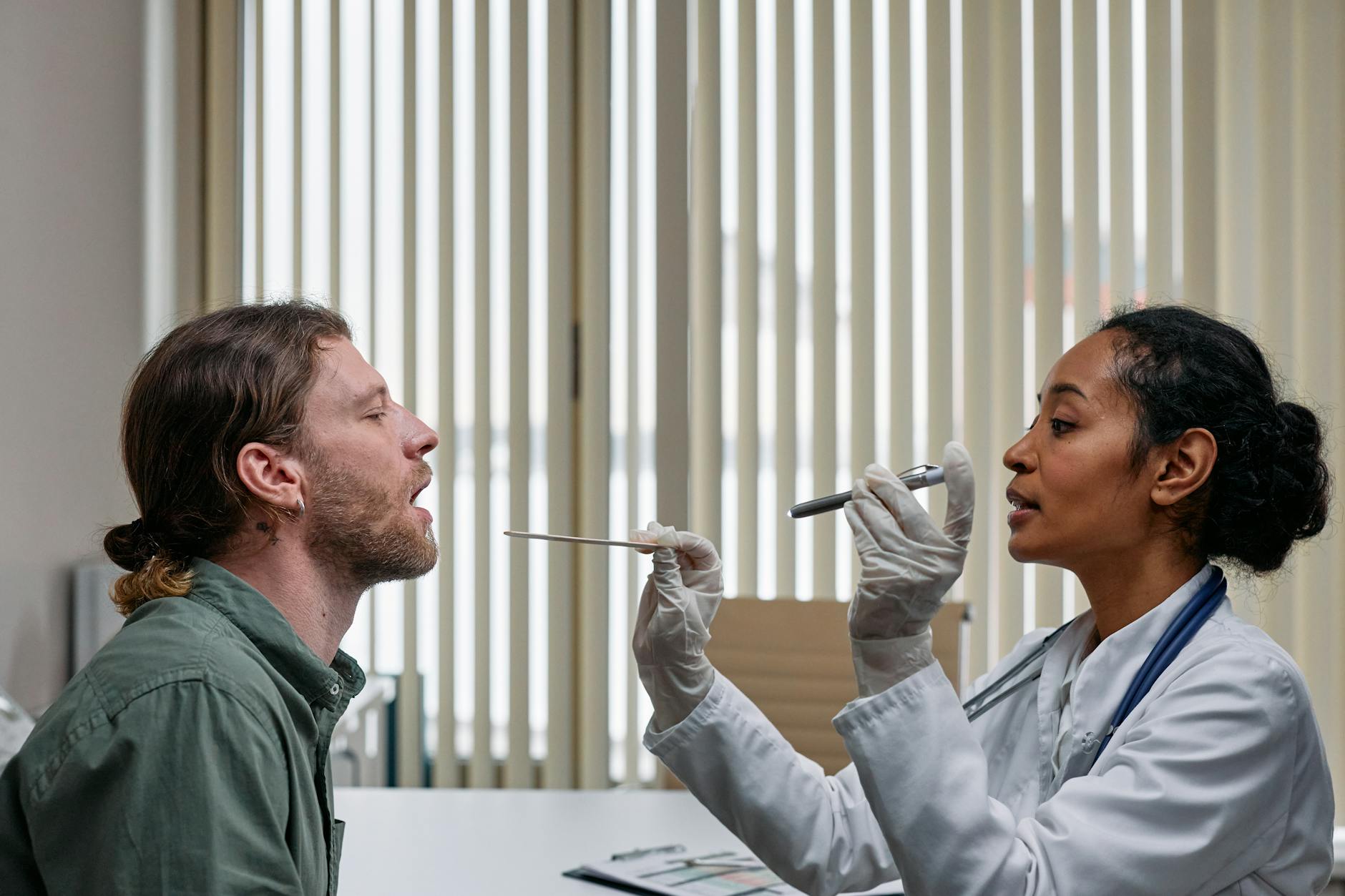
The human belly is a crowded suitcase where everything touches everything else. You feel a pull near your hip and think it is a simple muscle tear. But beneath that skin lies a layered maze of fascia, migrating pain signals, and organs that share nerve pathways in ways that defy logic.
1. The Fascia Is Smarter Than Muscle
Do you know what actually holds your guts inside? It is not your six-pack. (The rectus abdominis gets all the glory at the gym). A dense, fibrous sheet called fascia wraps around those muscles like a straitjacket. When patients come in with a sharp pulling sensation right next to their belly button, they assume they tore a muscle. A review of the abdominal wall details how this connective tissue is the true structural boundary. A tiny defect here lets fat slip through. That hurts sharply when you cough. Repairing it requires us to respect the tension lines of the fascia. Muscle heals fast. Fascia takes its time and remembers every single insult.
2. The Organ That Hides In Your Ribs
Your spleen sits tucked away on the upper left side. We usually cannot feel it during an exam. The textbooks say it rests quietly between the ninth and eleventh ribs. But it swells when it gets angry. An infection can double its size in days. A reappraisal using CT scans shows its position varies wildly between the tenth and twelfth ribs depending on your body habitus.
3. The Gallbladder Screams At Your Shoulder
“It feels like a hot poker stabbing me right under my right shoulder blade.” I hear that exact phrase twice a month. The patient is rubbing their back. They are asking for muscle relaxers. But the actual problem sits deep in their upper right abdomen. The gallbladder shares a nerve pathway with the diaphragm. When a stone blocks the bile duct, the swelling irritates that shared wire. Your brain gets confused. It interprets the distress signal as coming from the shoulder. This misdirection wastes hours in the emergency department. We have to look past where the patient is pointing.
4. The Appendix Does Not Read Textbooks
Textbook anatomy teaches us the appendix dangles off the cecum in the right lower quadrant. General practitioners often look for rebound tenderness exactly there. If the patient does not flinch when they press that area, they might send them home with antacids. We see the fallout of that missed diagnosis in surgery two days later. In the exam room, reality is far messier. Sometimes the appendix is retrocecal. It hides behind the colon. When it gets inflamed, the pain radiates to the flank or even down into the groin. It looks like a kidney stone. It mimics a urinary tract infection. The patient complains of painful urination. Their lower back aches. The classic right-sided stabbing never shows up. You have to watch how the patient walks into the room. If they are hunched over slightly, guarding their right side while taking short steps, my internal alarm goes off. The anatomy is fluid. Organs shift as we age, gain weight, or undergo previous surgeries. Relying strictly on a diagram gets patients hurt.
5. The Fat Apron That Saves Your Life
Most articles will tell you belly fat is universally dangerous. That framing misses the point entirely. Inside your abdominal cavity hangs the greater omentum. It is a lacy drape of adipose tissue. It looks like a yellowish apron covering your intestines. This structure physically moves. If your appendix ruptures, the omentum senses the inflammation. It migrates over to the site. It wraps around the leaking organ to wall off the infection. It sacrifices itself to save your bloodstream from sepsis. Surgeons call it the policeman of the abdomen. It creates a localized abscess instead of widespread peritonitis.
6. The Weakest Link In Your Side
There is a natural seam on either side of your stomach where the muscle layers fuse.
We call it the semilunar line.
Hernias happen here because blood vessels pierce through the tissue, leaving tiny holes. Surgeons dissect this area carefully during complex abdominal wall reconstructions. A surgical consensus outlines how releasing muscles near this line allows us to close massive defects.
7. The Ticking Clock Of The Aorta
The abdominal aorta is a massive pipe. It carries blood straight from your heart down to your legs. It sits right in front of your spine. When its walls weaken, it balloons out quietly. There are rarely warning signs. I remember a thin, older man sitting on the exam table complaining of a vague ache in his lower back. He thought he pulled a muscle lifting a box. I looked at his bare stomach. There was a faint, rhythmic pulsing just above his belly button. It was matching his heartbeat perfectly. The mass was subtle. It was pushing the skin up just a fraction of a millimeter with each pulse. I ordered a stat ultrasound. He had a seven-centimeter aneurysm ready to burst. The anatomy here is unforgiving. If that vessel ruptures, the abdominal cavity fills with blood in minutes. The mortality rate is staggering. We catch these purely by paying attention to the landscape of the belly. You have to press deeply to feel the aorta in most people. In thin patients, it announces itself. The back pain was not a muscle. It was the expanding artery stretching the nerves along the spine.
8. The Core Muscle You Never See
Your psoas muscle connects your spine to your legs. It runs directly through the back of your abdominal cavity. Patients often come in hunched forward. They cannot stand up straight without severe pain. The problem is not in their spine. An infection from a nearby organ can drip down and pool right on top of this muscle. Every time they extend their leg, the muscle rubs against the inflamed tissue. We test this by having them lie flat and lift their leg against resistance. If they scream, the psoas is angry. It is a brilliant anatomical shortcut to find hidden infections.
9. Kidneys Are Barely Hanging On
“I feel a heavy dragging deep inside my ribs when I stand up.” A young woman told me this last year. Her scans showed nothing obviously broken. Kidneys are not bolted down. They sit in the retroperitoneum, packed in a bed of fat. If a person loses a massive amount of weight quickly, that fat pad shrinks. The kidney loses its cushion. It starts dropping down toward the pelvis when they stand. We call it nephroptosis. The ureter kinks like a garden hose. Urine backs up. Pain spikes. Textbooks treat this condition like a historical curiosity. In a room with a patient who recently dropped fifty pounds, it is a very real mechanical crisis.
10. The Second Brain Is Still A Mystery
Your gut has its own independent nervous system. Millions of neurons live in the lining of your intestines. They control digestion without asking your brain for permission. We honestly do not fully understand how these nerves dictate your mood and immune response yet. The vagus nerve acts as a massive communication cable between the brain stem and the abdomen. When anxiety hits, the brain sends a signal down that cable. The gut responds by shutting down digestion. Nausea floods in. Treating chronic abdominal pain requires us to treat the anxiety driving the nerve signals. Sometimes the anatomy is structurally flawless. The wiring is just firing blindly.
The abdomen is a pressurized canister of overlapping signals. Pay attention to pains that shift location, and document exactly what you were doing when they started.
Medical Disclaimer: This article is for informational purposes only and does not constitute professional medical advice. Always consult a qualified healthcare professional before making changes to your health routine.




