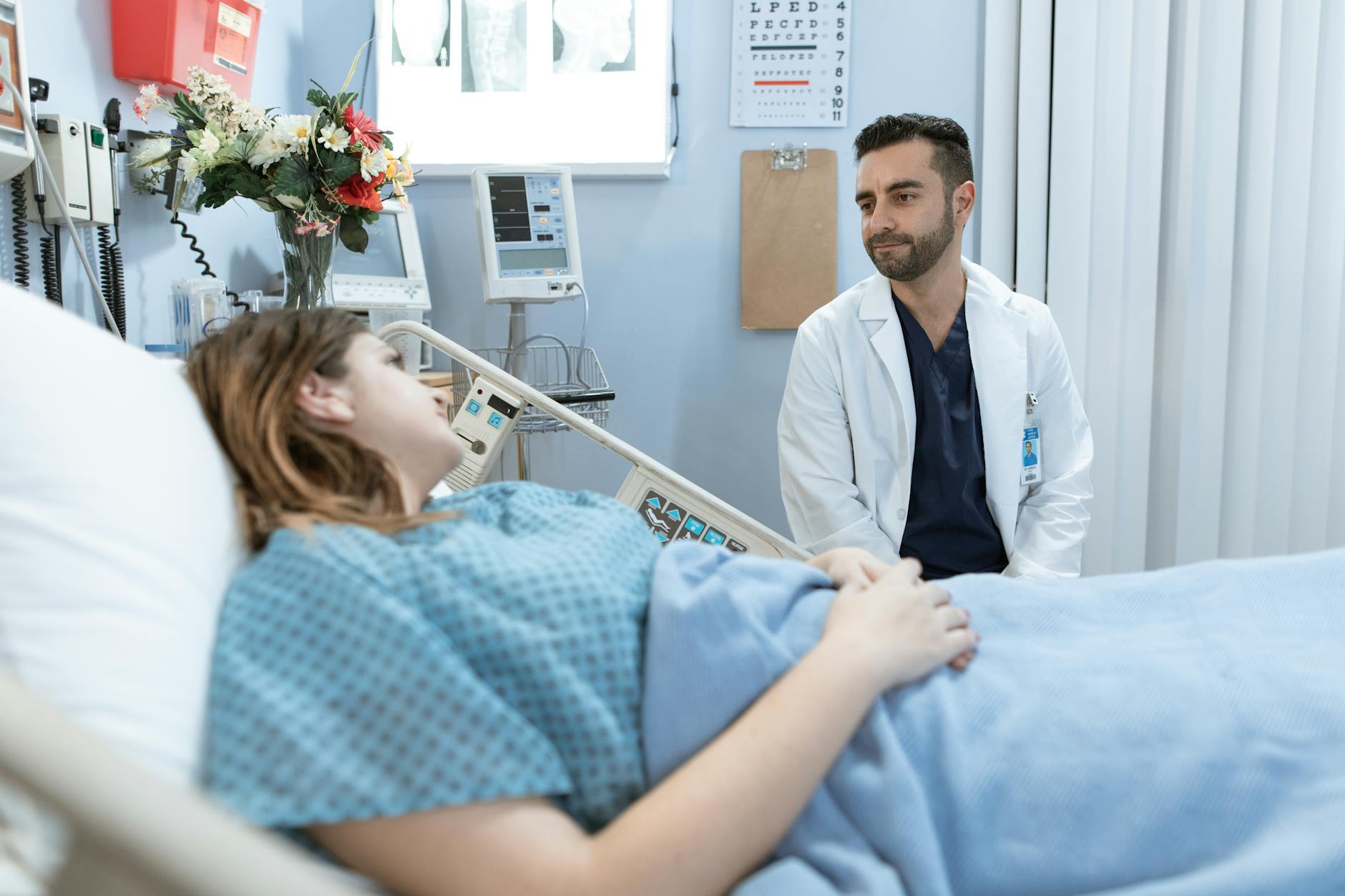
Kidneys failing abruptly leaves a subtle metallic scent in the hospital room, like old pennies and stale sweat. Patients rarely clutch their flanks in agony the way medical dramas portray. They mostly just look incredibly tired.
1. The Numbers Lie Before They Tell the Truth
Most articles will tell you acute kidney failure is a sudden drop in urine output. That framing misses the point entirely. The primary care doctor often misses the early window because the patient is still peeing normally, maybe even a bit more than usual. GPs frequently look for gross volume changes. Meanwhile, as a nephrologist, I am hunting for tiny, microscopic shifts in how the individual nephrons manage their filtration. Blood work catches the creatinine creeping up, but only after the damage is already half done. (The lab flags the result as abnormal, but by then, the microscopic filters are already suffocating in their own cellular waste). “My pee just looks a little frothy,” a guy told me last Tuesday. He was walking, talking, and completely unaware his potassium was high enough to stop his heart at any moment. Textbook presentation demands severe swelling and nausea, but in the exam room, the patient usually just feels a little off. We still do not fully understand why some people tolerate a massive creatinine spike with zero physical complaints while others crash immediately. The human body compensates quietly until it suddenly cannot. You look fine right up until the alarms start sounding on the monitor. That deceptive quiet is what makes the initial diagnosis so dangerous.
2. Ibuprofen Is Not Candy
A handful of pain pills for a bad knee can wreck your filters in three days. People swallow them like breath mints. The blood vessels feeding the kidneys clamp shut under the influence of heavy NSAID use. Oxygen delivery drops sharply. The fragile tissue just sits there and starves. You stop filtering waste, and the toxins pile up in the bloodstream.
3. Recognizing the Uremic Breath
Walking into the triage bay, I caught that unmistakable odor of stale urine on his breath. I knew Mr. Davis was in acute failure before the nurse even drew his blood. The lungs try to exhale the urea the kidneys can no longer excrete. It coats the tongue. His wife thought he just had poor dental habits lately, but his skin had taken on this dusty, almost ashen pallor that happens when metabolic garbage accumulates. He looked right at me and said, “I just feel like my blood is heavy.” That phrase perfectly describes the sluggish, toxic state of untreated kidney injury.
4. Drowning on Dry Land
When the filtration rate plummets, water has nowhere to go but out into the surrounding tissues. Ankles swell first. Then the fluid creeps up into the lungs. Patients start propping themselves up on three pillows just to catch a breath at night. How do we fix a system that refuses to drain? We force it. PubMed outlines that reversing this sudden reduction in function often requires aggressive diuretics or even temporary dialysis. The heart pumps harder against the rising tide of retained fluid. Breathing becomes an exhausting chore. The chest sounds like crinkling cellophane through my stethoscope.
5. When the Pump Fails the Filter
The kidneys demand exceptional blood pressure to push fluid through millions of microscopic sieves. If your pressure drops from a massive infection or sudden bleeding, the delicate filters dry up entirely. They literally shut down to preserve volume for the brain and heart. We call it acute tubular necrosis. The plumbing simply collapses from lack of flow.
6. The Hidden Cost of the CT Scan
Sometimes the very test meant to save you causes the injury. Intravenous contrast dye used in CT scans is heavy, thick, and brutally hard on fragile nephrons. We push this glowing liquid into your veins to see your appendix or your heart vessels clearly. The dye hits the kidneys like thick sludge. Older adults with borderline function are sitting ducks for this kind of chemical insult. PubMed notes that managing this acute injury sometimes demands continuous renal replacement therapy if the patient becomes unstable. We flush them with saline before the scan, hoping to dilute the poison. Sometimes it works perfectly. Often, the creatinine still spikes a day later.
7. Crushing Your Kidneys at the Gym
Push yourself too hard doing heavy deadlifts, and your muscle fibers literally tear apart. They release a massive protein called myoglobin directly into the blood. Myoglobin is far too large for the delicate kidney tubules to handle. It clogs the microscopic drains like matted hair. The urine turns the dark color of black tea. Young, fit people show up in the ER thinking they are just severely dehydrated from their workout. They are actually experiencing acute kidney failure from rhabdomyolysis. We have to pump liters of intravenous fluid into them around the clock to flush the pipes before the blockage becomes permanent.
8. The Cure That Kills the Cells
Strong antibiotics fight off rampant infections constantly. Vancomycin is a classic offender in the hospital setting. It saves your life from overwhelming sepsis while simultaneously poisoning your renal tubules. The line between a therapeutic dose and a toxic one is razor thin. We check blood levels daily, adjusting the intravenous drip by fractions of a milligram. But the kidneys are remarkably moody organs. One day they handle the heavy chemical load fine. The next morning, the lab calls to report the patient’s filtration rate just fell off a cliff overnight. What happens when the medicine keeping you alive is actively destroying your organs? We pivot immediately. We hydrate the patient aggressively. We pray the cellular damage is temporary. The physical architecture inside the kidney actually flattens out under this kind of chemical stress, losing the microscopic brush borders that help absorb basic nutrients. It takes weeks for those specialized cells to regenerate. Sometimes they never quite grow back the way they were before the illness… This trade-off happens every single day in the intensive care unit. We accept a degree of organ injury just to get the person out the front doors alive.
9. The Waiting Game in the ICU
Hooking the patient up to a urinary catheter, the entire medical team watches the plastic bag. Every single drop of amber liquid becomes a tiny victory.
You wait for the urine to return.
Days can pass with bone-dry tubing. The silence of a failing organ is deafening in a busy intensive care unit. We check the morning labs at dawn, hoping the potassium has stabilized overnight. Families stare at the bedside monitor, asking if the numbers look better today. We rarely have a satisfying answer to give them.
10. The Damage Rarely Erases Itself Completely
You survive the acute phase, but the tissue remembers the insult. PubMed clarifies that even mild changes in serum creatinine predict serious long-term consequences. The nephrons that died do not come back. The surviving ones just work harder to pick up the slack, which causes them to wear out much faster over the next decade. Patients are discharged feeling fine, completely unaware that their renal reserve is permanently depleted. There is no flashing warning light when you lose thirty percent of your kidney function. You just go home. The next time you get the flu or take a handful of ibuprofen, the remaining filters might not be enough.
Acute kidney failure is a quiet cascade of events that permanently alters your metabolic baseline. Keep a physical copy of your creatinine history in your wallet, and hand it to every doctor who tries to prescribe you a new medication.
Medical Disclaimer: This article is for informational purposes only and does not constitute professional medical advice. Always consult a qualified healthcare professional before making changes to your health routine.




