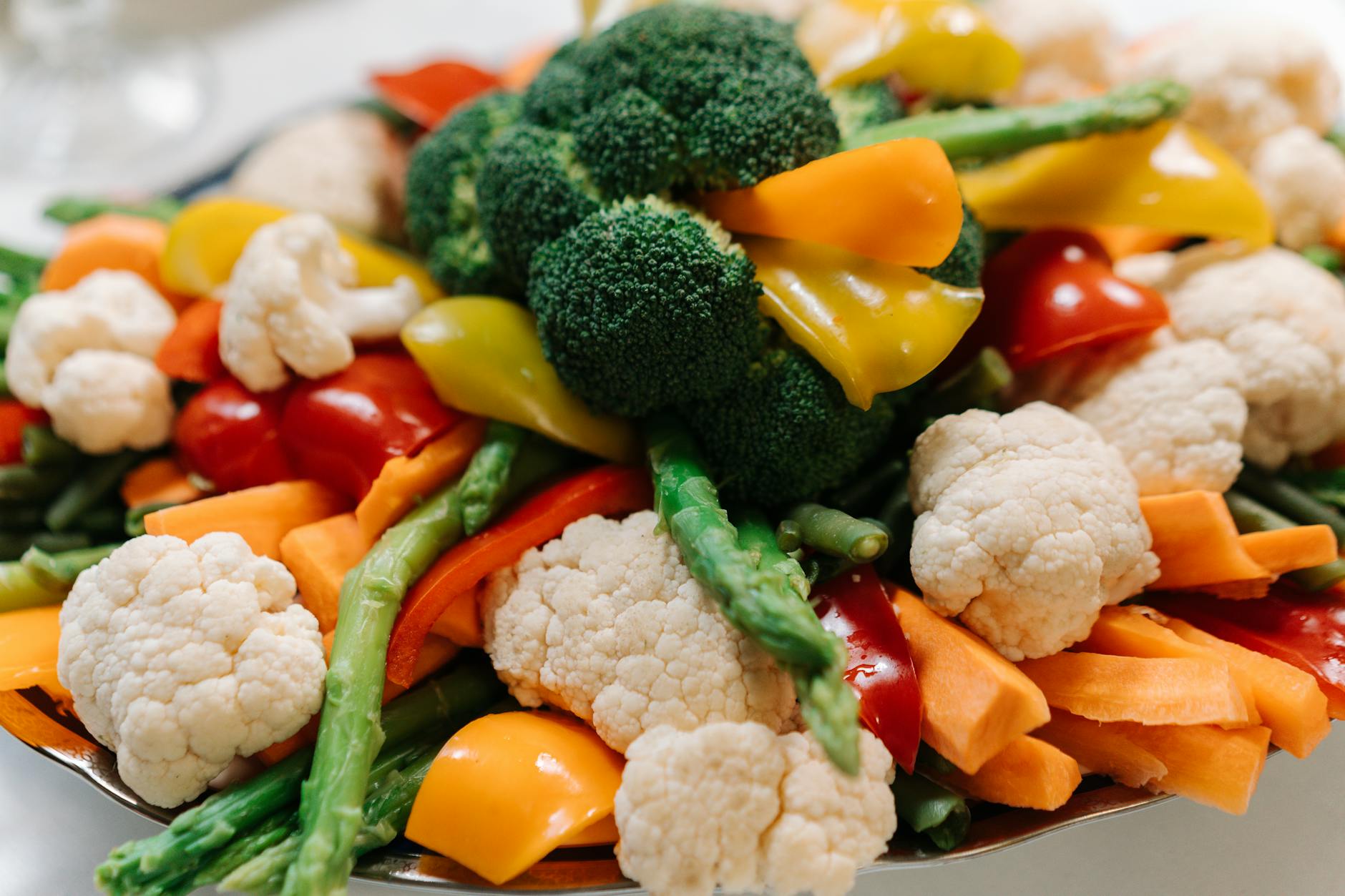
Vitamin A is an essential nutrient that plays a critical role in vision, immune function, and cell growth — yet many people don’t get enough of it through their daily diet. According to the NIH, median intakes range from about 530 to 811 μg RAE per day depending on age and sex, and some groups fall short of recommended levels. The good news is that plenty of delicious, whole foods can help you close that gap naturally.
1. Sweet Potatoes
Sweet potatoes are one of the most potent vitamin A foods you can eat. A single medium baked sweet potato delivers well over 100% of the daily recommended intake, thanks to its rich concentration of beta-carotene. Research from PubMed notes that sweet potatoes contain approximately 14,187 IU of vitamin A per 100 grams. Their natural sweetness makes them easy to enjoy roasted, mashed, or added to soups. Try swapping regular fries for baked sweet potato wedges as a simple nutrient boost.
2. Carrots
Carrots have long been associated with eye health, and for good reason. They are loaded with beta-carotene, a provitamin A carotenoid that your body converts into active vitamin A. Studies indicate that carrots contain around 16,706 IU of vitamin A per 100 grams, making them one of the highest plant-based sources available. Whether eaten raw as a snack or cooked into stews, carrots are incredibly versatile. Pairing them with a small amount of healthy fat like olive oil may help your body absorb more of the beta-carotene.
3. Beef Liver
Beef liver is the single richest source of preformed vitamin A, also known as retinol. Just a small three-ounce serving can provide several times the recommended daily value. The NIH confirms that concentrations of preformed vitamin A are highest in liver compared to virtually all other foods. Because it is so nutrient-dense, moderation matters. Enjoying liver once a week in a stir-fry or pâté is usually enough to reap significant benefits without overdoing it.
4. Spinach
Dark leafy greens like spinach are excellent vitamin A foods, thanks to their high levels of provitamin A carotenoids. Research suggests that vegetables such as spinach contribute substantially to daily vitamin A intake across many populations. One cup of cooked spinach provides a significant portion of your daily needs. Spinach is also rich in iron, folate, and vitamin K, making it a nutritional powerhouse. Toss it into smoothies, omelets, or pasta dishes to easily increase your intake without changing your routine too much.
5. Pumpkin
Pumpkin is much more than a fall decoration. Its vibrant orange flesh signals a high concentration of beta-carotene, the precursor your body uses to produce vitamin A. Clinical evidence shows that pumpkin ranks among the top vegetable sources of this essential nutrient. A half-cup of canned pumpkin packs a powerful dose alongside fiber and potassium. Blend it into soups, bake it into muffins, or stir it into oatmeal for a warm and nourishing meal any time of year.
6. Eggs
Eggs are a convenient and affordable source of preformed vitamin A, concentrated primarily in the yolk. Research from PubMed highlights eggs as a meaningful contributor to daily vitamin A intake alongside vegetables and dairy products. Two large eggs provide a moderate but consistent amount of retinol with every serving. Eggs also deliver protein, choline, and vitamin D, supporting overall health in a compact package. Scrambled, poached, or hard-boiled — they fit into almost any meal effortlessly.
7. Mangoes
Among fruits, mangoes stand out as one of the best vitamin A foods available. Their deep orange color reflects a generous supply of beta-carotene and other provitamin A compounds. Studies indicate that ripe colored fruits like mangoes are key contributors to vitamin A intake in many diets around the world. One cup of sliced mango delivers a meaningful portion of the daily value along with vitamin C and dietary fiber. Enjoy them fresh, frozen in smoothies, or diced over yogurt for a tropical flavor boost.
8. Red Bell Peppers
Red bell peppers offer more than just a sweet crunch. They are considerably richer in vitamin A than their green counterparts, with one medium red pepper providing a notable share of your daily requirement. Research suggests that peppers rank among the vegetables that contribute most to overall vitamin A consumption. They also deliver high amounts of vitamin C, which supports collagen production and immune defense. Slice them into salads, roast them as a side dish, or dip them in hummus for a satisfying and nutrient-dense snack.
9. Butternut Squash
Butternut squash is a winter favorite that happens to be loaded with provitamin A carotenoids. One cup of cooked butternut squash can cover a large portion of your recommended daily intake. Its mild, slightly sweet flavor makes it incredibly adaptable in the kitchen. You can roast it, purée it into creamy soups, or toss it into grain bowls. Because beta-carotene is fat-soluble, drizzling a bit of olive oil over roasted squash may actually help your body absorb more of the vitamin A it contains.
10. Salmon
Salmon rounds out this list as a protein-rich source of preformed vitamin A. Fatty fish like salmon contain retinol directly, so your body can use it without needing to convert it first. A three-ounce serving also delivers omega-3 fatty acids, which research links to heart and brain health. The combination of vitamin A and healthy fats in salmon supports skin integrity and immune function. Aim to include fatty fish in your meals at least twice a week — grilled, baked, or added to salads — for maximum nutritional benefit.
Getting enough vitamin A doesn’t require supplements when you fill your plate with a variety of colorful whole foods. From sweet potatoes and carrots to eggs and salmon, the options above make it simple to meet your daily needs while enjoying delicious meals. Start by adding just one or two of these vitamin A foods to your weekly grocery list and build from there.
Medical Disclaimer: This article is for informational purposes only and does not constitute medical advice. Always consult a qualified healthcare professional before making health decisions.




