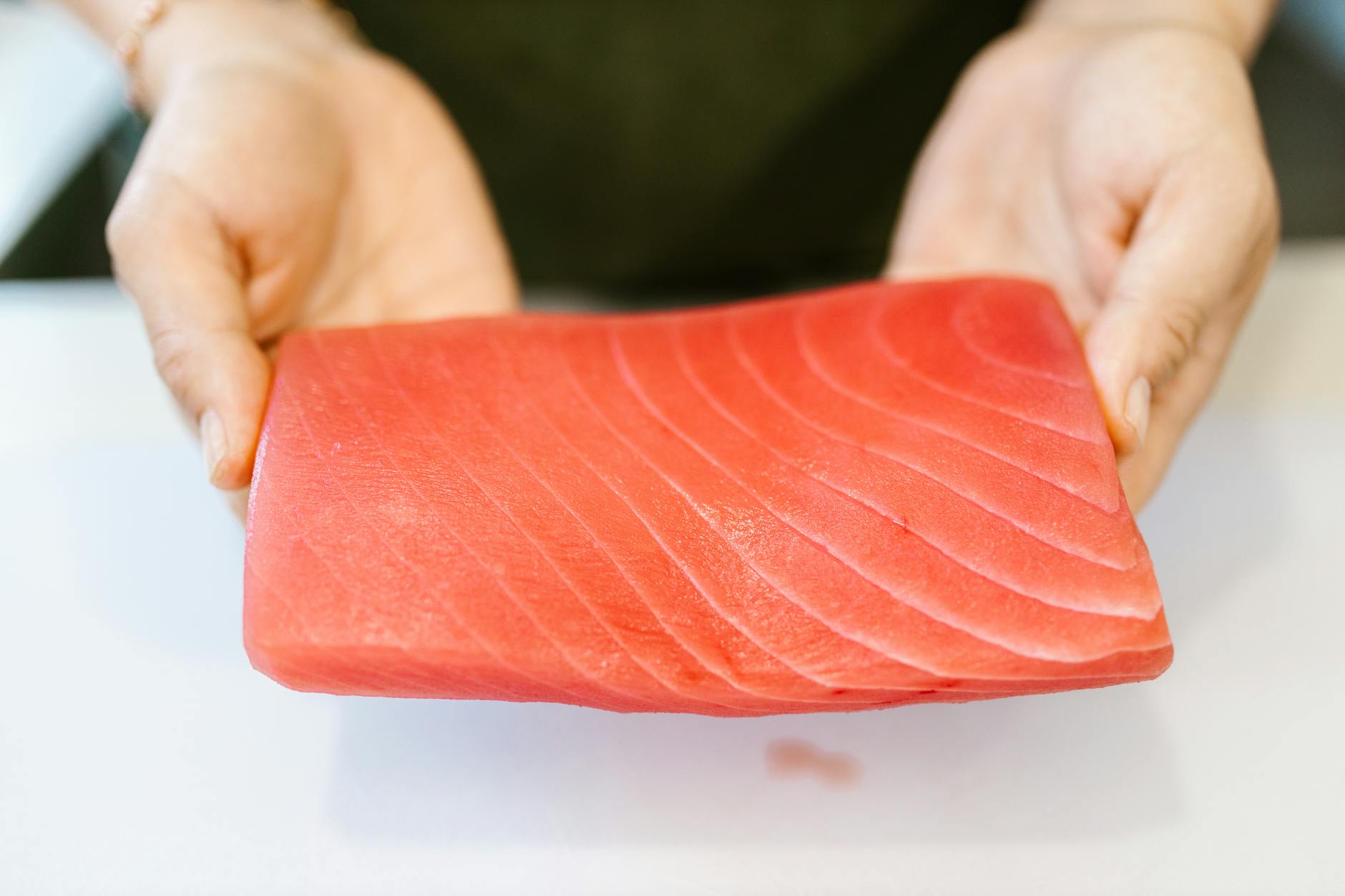
Nearly 42% of American adults may have insufficient vitamin D levels, making it one of the most common nutrient gaps in the modern diet. Since your body produces vitamin D primarily through sun exposure, people who live in northern climates or spend most of their time indoors face an even greater challenge. The good news is that several vitamin D foods — both natural and fortified — can help you close that gap without relying on supplements alone.
1. Wild-Caught Salmon
Wild-caught salmon stands out as one of the most potent natural sources of vitamin D available. A single three-ounce serving can deliver well over half of your recommended daily intake. Research from the NIH confirms that fatty fish like trout and salmon rank among the richest natural food sources of this essential nutrient. Wild-caught varieties tend to contain more vitamin D than farmed options. The omega-3 fatty acids in salmon also support heart and brain health. Try baking a fillet with lemon and herbs twice a week to significantly boost your vitamin D levels through diet alone.
2. Rainbow Trout
Rainbow trout is a vitamin D powerhouse that often flies under the radar. A three-ounce serving of cooked trout can provide nearly all of your daily recommended vitamin D. This freshwater fish has a mild, slightly nutty flavor that appeals to people who find salmon too strong. Trout is also rich in protein and relatively low in mercury compared to larger fish species. It works beautifully pan-seared, grilled, or baked with simple seasonings. Adding trout to your weekly meal rotation is a practical and delicious way to increase your vitamin D intake.
3. UV-Exposed Mushrooms
Mushrooms are the only plant-based food that can naturally produce significant amounts of vitamin D. When exposed to ultraviolet light, mushrooms synthesize vitamin D2 in a process remarkably similar to how human skin works. According to PubMed, UV-exposed mushrooms are classified among the richest vitamin D sources available. Look for packages labeled “UV-treated” or “high in vitamin D” at your grocery store. Maitake, portobello, and white button mushrooms exposed to UV light can offer impressive amounts. This makes them an excellent option for vegetarians and vegans seeking vitamin D foods.
4. Sardines
These tiny canned fish deliver a surprisingly robust dose of vitamin D per serving. Two sardines from a can provide a meaningful portion of your daily needs along with calcium from their edible bones. Sardines are also packed with omega-3 fatty acids and vitamin B12. They sit low on the food chain, which means they accumulate far less mercury than larger fish. Their strong flavor pairs well with crackers, salads, or pasta dishes. Keeping a few cans in your pantry gives you quick, affordable access to one of the most nutrient-dense vitamin D foods around.
5. Egg Yolks
Egg yolks offer a convenient and versatile way to add vitamin D to everyday meals. While the whites contain most of the protein, the yolk is where all the vitamin D resides. Pasture-raised eggs from hens with outdoor sun access tend to contain significantly higher vitamin D levels than conventional eggs. Research from the NIH lists egg yolks as a notable natural source of this nutrient. One or two eggs at breakfast can contribute meaningfully to your daily intake. Scrambled, poached, or baked into dishes, eggs make vitamin D accessible and easy to enjoy.
6. Fortified Milk
Fortified cow’s milk remains one of the most widely consumed vitamin D foods in the United States. Most commercial milk is fortified with approximately 100 IU of vitamin D per eight-ounce glass. This practice began decades ago to combat rickets and has proven remarkably effective at improving population-wide vitamin D status. Whether you prefer whole, reduced-fat, or skim, the vitamin D content remains consistent across varieties. Drinking a glass with meals or using it in smoothies and cereal can help you reach your daily target. It also provides calcium, which works with vitamin D to support strong bones.
7. Fortified Orange Juice
For those who are lactose intolerant or simply prefer a dairy-free option, fortified orange juice offers a refreshing alternative. Many major brands now add vitamin D to their orange juice. Studies noted by PubMed identify calcium-fortified orange juice as an important dietary contributor of vitamin D. An eight-ounce glass typically provides around 100 IU. The vitamin C in orange juice may also support immune function alongside vitamin D. Check the nutrition label to confirm fortification, since not all brands include it. Enjoying a glass at breakfast is an easy habit that adds up over time.
8. Canned Tuna
Canned tuna is an affordable, shelf-stable source of vitamin D that most people already have in their kitchen. A three-ounce serving of light tuna provides a moderate but meaningful amount of this nutrient. Light tuna varieties generally contain less mercury than albacore, making them a safer choice for regular consumption. Tuna also supplies lean protein and selenium, a mineral important for thyroid function. Mix it into salads, sandwiches, or casseroles for a quick meal. Aim for two to three servings per week to enjoy the vitamin D benefits while keeping mercury exposure in check.
9. Fortified Breakfast Cereals
Many popular breakfast cereals are fortified with vitamin D, making your morning routine a simple opportunity to boost intake. A single serving can provide around 10 to 15 percent of your daily recommended value. Pairing fortified cereal with fortified milk essentially doubles your vitamin D at one meal. Choose cereals that are lower in added sugar and higher in whole grains for the best overall nutritional profile. Read labels carefully, because fortification levels vary widely between brands. This combination of convenience and nutrition makes fortified cereals a practical vitamin D food for busy mornings.
10. Beef Liver
Beef liver may not be the most popular food on this list, but it deserves recognition as a vitamin D source. A three-ounce serving provides a modest amount of vitamin D along with exceptionally high levels of vitamin A, iron, and B vitamins. Organ meats have long been valued in traditional diets for their unmatched nutrient density. Liver has a distinctive flavor that pairs well with onions and herbs when pan-fried. If the taste is too strong on its own, try blending small amounts into ground beef recipes. Even occasional consumption can contribute to a more well-rounded nutrient intake.
Building a diet rich in vitamin D foods does not require dramatic changes — small, consistent choices add up quickly. Start by incorporating two or three of these options into your weekly meals and pay attention to food labels for fortification. Pairing dietary sources with safe sun exposure gives your body the best chance of maintaining healthy vitamin D levels year-round.
Medical Disclaimer: This article is for informational purposes only and does not constitute medical advice. Always consult a qualified healthcare professional before making health decisions.




