Vitamin K is an essential nutrient that supports blood clotting, bone metabolism, and cardiovascular health — yet many Americans fall short of the recommended daily intake. Understanding which vitamin K foods to include in your diet can make a meaningful difference in your long-term well-being. From vibrant leafy greens to a few options you might not expect, these ten foods deliver impressive amounts of this often-overlooked vitamin.
1. Kale
Kale is one of the most concentrated sources of vitamin K available in any grocery store. A single cup of raw kale provides well over 600 micrograms of vitamin K1, also known as phylloquinone. Research indicates that phylloquinone is concentrated in leafy green vegetables, and kale sits near the top of that list. This cruciferous green is also rich in vitamins A and C, making it a nutritional powerhouse. Try massaging raw kale with olive oil and lemon juice for a simple, nutrient-dense salad that makes it easy to absorb this fat-soluble vitamin.
2. Spinach
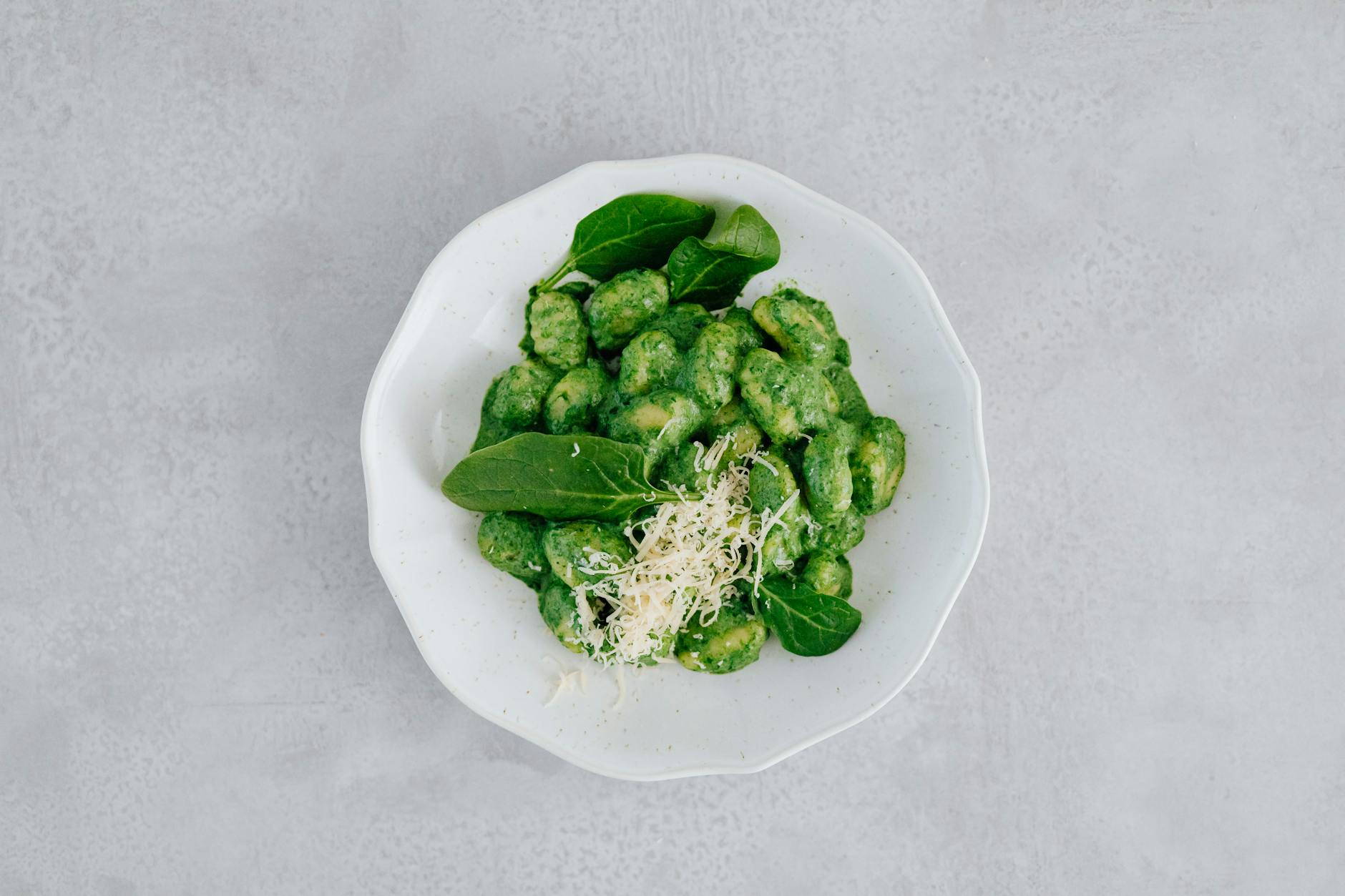
Spinach is another leafy green that delivers a substantial dose of vitamin K in every serving. Just half a cup of cooked spinach offers roughly 450 micrograms — far exceeding the daily adequate intake for most adults. Studies have identified leafy greens as the predominant food sources of vitamin K-1 in the American diet, with spinach being one of the most commonly consumed. Whether you stir it into soups, blend it into smoothies, or sauté it with garlic, spinach is one of the simplest vitamin K foods to incorporate daily.
3. Broccoli
Broccoli might not carry the same vitamin K reputation as kale, but it still delivers an impressive amount. One cup of cooked broccoli provides about 220 micrograms of phylloquinone. It also brings fiber, vitamin C, and potent antioxidant compounds to the table. Roasting broccoli with a drizzle of olive oil helps your body absorb its fat-soluble vitamin K more effectively. Keep a bag of frozen broccoli on hand for a quick and reliable way to boost your intake during busy weeknights.
4. Brussels Sprouts
These small cruciferous vegetables pack a surprisingly powerful nutritional punch. A half-cup serving of cooked Brussels sprouts contains around 150 micrograms of vitamin K. They also offer generous amounts of fiber and vitamin C. Brussels sprouts have shed their reputation as a bland side dish thanks to modern roasting techniques. Toss them with balsamic vinegar and roast at high heat until the edges caramelize — the result is a delicious way to support your vitamin K needs without much effort.
5. Natto (Fermented Soybeans)
Natto is a traditional Japanese fermented food that stands out as one of the richest sources of vitamin K2, specifically menaquinone-7. While vitamin K1 dominates plant foods, research suggests that menaquinones from fermented foods play an important role in bone and cardiovascular health. A small serving of natto can deliver over 1,000 micrograms of K2. Its sticky texture and strong flavor take some getting used to for newcomers. If you can acquire the taste, natto is arguably the most potent single-food source of vitamin K2 available.
6. Swiss Chard
Swiss chard is a colorful leafy green that deserves more attention in everyday cooking. One cup of cooked Swiss chard provides roughly 300 micrograms of vitamin K1. Its mild, slightly earthy flavor makes it more approachable than some other dark greens. Swiss chard also delivers magnesium, iron, and potassium in notable amounts. Sauté it with onions and a splash of olive oil to create a quick side dish that checks multiple nutritional boxes at once.
7. Chicken and Other Meats
Most people associate vitamin K with vegetables, but animal products contribute meaningfully to overall intake. Chicken, pork, and beef contain vitamin K in the form of both phylloquinone and menaquinone-4. Clinical evidence shows that meat, dairy, and eggs contribute significantly to total vitamin K intake even though they are not as concentrated as leafy greens. A three-ounce serving of chicken provides a modest but consistent amount. For people who struggle to eat enough vegetables, lean meats offer a helpful supplementary source of this essential nutrient.
8. Hard Cheeses
Cheese lovers have a reason to feel good about their favorite snack. Hard and aged cheeses like Gouda, Emmental, and cheddar contain notable levels of vitamin K2, particularly the MK-8 and MK-9 forms. Research indicates that dairy products are a primary dietary source of vitamin K2, making cheese an easy and enjoyable way to boost your intake. A one-ounce serving of Gouda can provide around 20 micrograms of K2. Pair a slice with fruit or whole-grain crackers for a satisfying snack that quietly supports bone health.
9. Green Peas
Green peas offer a gentler, slightly sweet option among vitamin K foods. A half-cup of cooked green peas contains approximately 20 to 25 micrograms of vitamin K1. While that amount is modest compared to kale or spinach, peas are easy to include in many meals. They also provide plant-based protein, fiber, and B vitamins. Toss them into pasta dishes, stir-fries, or grain bowls to add color and a steady contribution to your daily vitamin K needs without overhauling your diet.
10. Egg Yolks
Eggs are a staple in most kitchens, and their yolks carry a small but valuable amount of vitamin K2 in the MK-4 form. One large egg yolk provides roughly 5 to 10 micrograms. That might seem low, but because eggs are eaten so frequently, they add up over time. Pasture-raised eggs tend to contain higher levels of fat-soluble vitamins, including K2. Enjoying eggs a few times per week alongside leafy greens creates a well-rounded approach to meeting your vitamin K requirements through whole foods.
Getting enough vitamin K doesn’t require a dramatic diet overhaul — it simply calls for a mix of leafy greens, fermented foods, and quality animal products on a regular basis. Start by adding one or two of these foods to your weekly grocery list and build from there. Small, consistent changes are the most sustainable path to better nutrition.
Medical Disclaimer: This article is for informational purposes only and does not constitute medical advice. Always consult a qualified healthcare professional before making health decisions.




