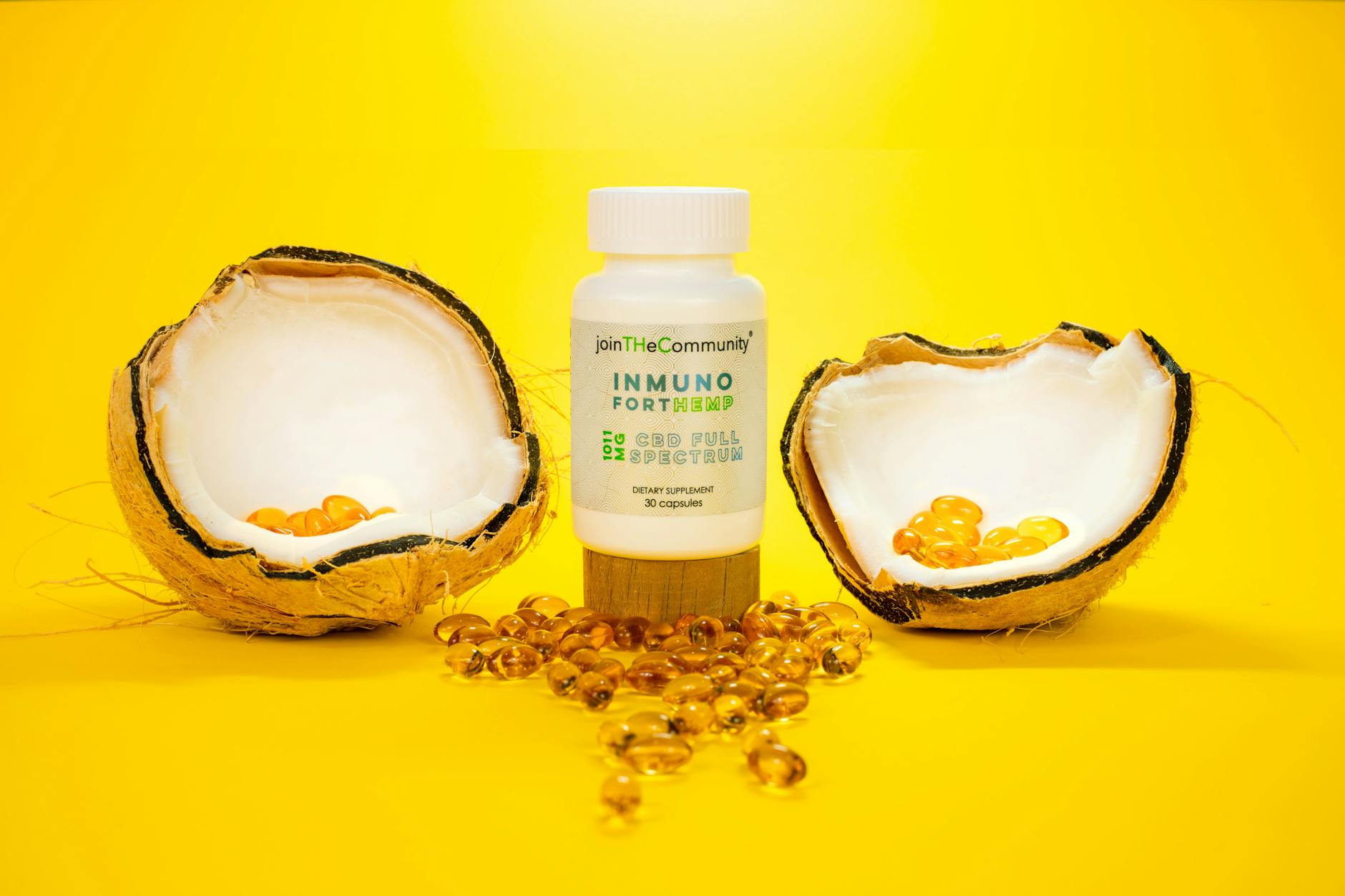
Coconut oil has been a dietary and beauty staple in tropical regions for centuries, and its popularity in Western wellness circles continues to grow. If you’ve ever wondered what is coconut oil good for, the answer spans far beyond cooking. Here’s a look at ten science-backed ways this versatile oil may support your health.
1. Moisturizing Dry or Sensitive Skin
One of the most popular uses of coconut oil is as a natural skin moisturizer. Its rich fatty acid content helps seal in hydration and strengthen the skin’s protective barrier. Research suggests that topical coconut oil may help prevent and manage atopic dermatitis, a condition marked by chronically dry, itchy skin. If you deal with rough patches or mild eczema, applying a thin layer of virgin coconut oil after bathing may offer soothing relief. Always patch-test first to make sure your skin tolerates it well.
2. Reducing Hair Damage
Coconut oil has a unique ability to penetrate the hair shaft, unlike many other oils that simply sit on the surface. This penetration helps reduce protein loss from hair during washing, grooming, and sun exposure. Studies indicate that regular use of coconut oil on hair may minimize damage caused by UV rays and everyday styling. For a simple treatment, warm a small amount between your palms and work it through damp hair before bed. Rinse it out in the morning for softer, more resilient strands.
3. Supporting Immune Function
The medium-chain fatty acids in coconut oil, especially lauric acid, have drawn scientific interest for their potential immune-boosting properties. In vitro, animal, and human studies indicate these fatty acids have immune-modulating and antibiotic-like effects, supporting the oil’s use as an immune-nutritive agent. This doesn’t mean coconut oil replaces medical treatment for infections. However, incorporating it into a balanced diet may give your body’s natural defenses a modest edge. Try using it as a cooking fat in soups or stir-fries to work it into your routine.
4. Promoting Oral Health Through Oil Pulling
Oil pulling is an ancient Ayurvedic practice that involves swishing oil in your mouth for ten to twenty minutes. When done with coconut oil, this technique may help reduce harmful bacteria linked to cavities and gum disease. Clinical evidence shows limited but promising support for oil pulling as a complementary dental hygiene practice. It should never replace brushing or flossing. Still, adding a tablespoon of coconut oil to your morning routine before breakfast could be a gentle way to support fresher breath and cleaner teeth.
5. Fighting Oxidative Stress
Oxidative stress occurs when free radicals overwhelm your body’s antioxidant defenses, contributing to aging and chronic disease. Virgin coconut oil contains polyphenols and other compounds that exhibit notable antioxidant activity. A study on adults with metabolic syndrome found that virgin coconut oil consumption improved oxidative stress status and showed promising effects on key health markers. Choosing virgin or cold-pressed coconut oil ensures you retain more of these beneficial compounds. Drizzle it over cooked vegetables or blend it into smoothies for an antioxidant-friendly boost.
6. Providing Quick Energy from Medium-Chain Fats
Unlike long-chain fatty acids found in most dietary fats, the medium-chain triglycerides in coconut oil are absorbed and metabolized quickly. Your liver converts them into a rapid source of energy rather than storing them as fat. This makes coconut oil a popular choice among athletes and people following ketogenic diets. A tablespoon blended into your morning coffee or pre-workout shake can offer a sustained energy lift. Keep portions moderate, since coconut oil is still calorie-dense at roughly 120 calories per tablespoon.
7. Offering Anti-Inflammatory Properties
Chronic inflammation plays a role in conditions ranging from heart disease to arthritis. Research indicates that virgin coconut oil exhibits anti-inflammatory, antibacterial, and antiviral properties with potential therapeutic effects on chronic diseases. Animal studies have shown that virgin coconut oil may help reduce inflammatory markers in the body. While human research is still catching up, these findings are encouraging. Using coconut oil as part of an overall anti-inflammatory diet rich in fruits, vegetables, and omega-3 fats may amplify its benefits.
8. Helping Manage Insulin Resistance
Insulin resistance is a hallmark of metabolic syndrome and a major risk factor for type 2 diabetes. Early research suggests that consuming virgin coconut oil may improve the body’s sensitivity to insulin over time. One clinical study found improvements in insulin resistance markers among adults with metabolic syndrome who added the oil to their diet. This doesn’t mean coconut oil treats diabetes on its own. However, swapping out heavily refined cooking oils for moderate amounts of virgin coconut oil could be a practical step toward better metabolic health.
9. Soothing Minor Wounds and Burns
Coconut oil has been used as a traditional wound-healing agent in many cultures. Its antimicrobial properties may help protect minor cuts, scrapes, and superficial burns from bacterial infection. The fatty acids also form a protective layer that keeps the wound moist, which may support faster healing. For small skin injuries, gently apply a thin layer of virgin coconut oil after cleaning the area. Seek medical attention for deeper wounds, signs of infection, or burns that cover a large area.
10. Serving as a Natural Makeup Remover
Many commercial makeup removers contain harsh chemicals that irritate sensitive skin. Coconut oil dissolves even waterproof makeup effectively while simultaneously moisturizing the skin. Simply warm a small amount between your fingertips and gently massage it over your face in circular motions. Wipe away with a warm, damp cloth, then follow up with your regular cleanser. This double-cleansing approach leaves skin feeling soft without the stinging or dryness that alcohol-based removers can cause.
Coconut oil is a remarkably versatile staple that may benefit your skin, hair, metabolism, and overall wellness when used thoughtfully. As with any natural remedy, quality matters — opt for virgin, cold-pressed varieties whenever possible, and keep portions sensible. Talk to your healthcare provider before making significant dietary changes, especially if you have existing heart or metabolic conditions.
Medical Disclaimer: This article is for informational purposes only and does not constitute medical advice. Always consult a qualified healthcare professional before making health decisions.




